Preventing cat skin issues: How to manage hairball formation
"Cats are family members, and it makes sense for pet parents to do everything possible to ensure their companions get whatever they need to be happy and healthy."
Maintaining feline skin health requires a combination of consistent grooming, nutritional support, and environmental management to prevent irritation or infection. This guide covers basic grooming techniques, how to manage hairball formation, and essential preventive steps for pet owners.
Key takeaways include recognizing the role of grooming in hairball management, understanding the physical structure of the feline tongue, and implementing routine hygiene.
How do grooming habits affect skin and stomach health?

A cat sits on a rug, slowly licking its paw and pulling it across its ear to smooth the fur. This repetitive motion is a vital part of feline hygiene, but it also introduces unique physical challenges to their internal health. The cat's repetitive grooming motion ensures the fur remains smooth.
The feline tongue is equipped with backward-facing spines about 0.5 mm (0.020 in) long, called filiform papillae, which contain keratin making them rigid. These structures help clean the fur during grooming sessions. The rigid keratin structures effectively sweep the fur to keep it tidy.
However, this process also leads to the ingestion of loose hair. The ingestion of loose hair is a direct consequence of the tongue's cleaning function.
Some cats, particularly long-haired cats, occasionally regurgitate sausage-shaped 2–3 cm (0.8–1.2 in) long hairballs of fur that have collected in their stomachs from grooming. These collected masses are formed from the ingested loose hair.
Managing these hairballs is a primary concern for pet owners. Because the tongue acts like a hairbrush, constant grooming can lead to significant hair accumulation. The constant action of the tongue facilitates the buildup of fur.
Regular brushing can help reduce the amount of loose fur ingested, which may help prevent the formation of these sausages-shaped masses. Brushing reduces the quantity of fur available for the tongue to collect.
What are the risks of hunting and outdoor activities? Preventing cat skin issues
A cat crouches low in the tall grass, eyes fixed on a small movement in the distance as it prepares to spring forward. This predatory instinct is a fundamental part of feline behavior but can expose them to various environmental risks. The natural instincts of a cat can lead to dangerous situations.
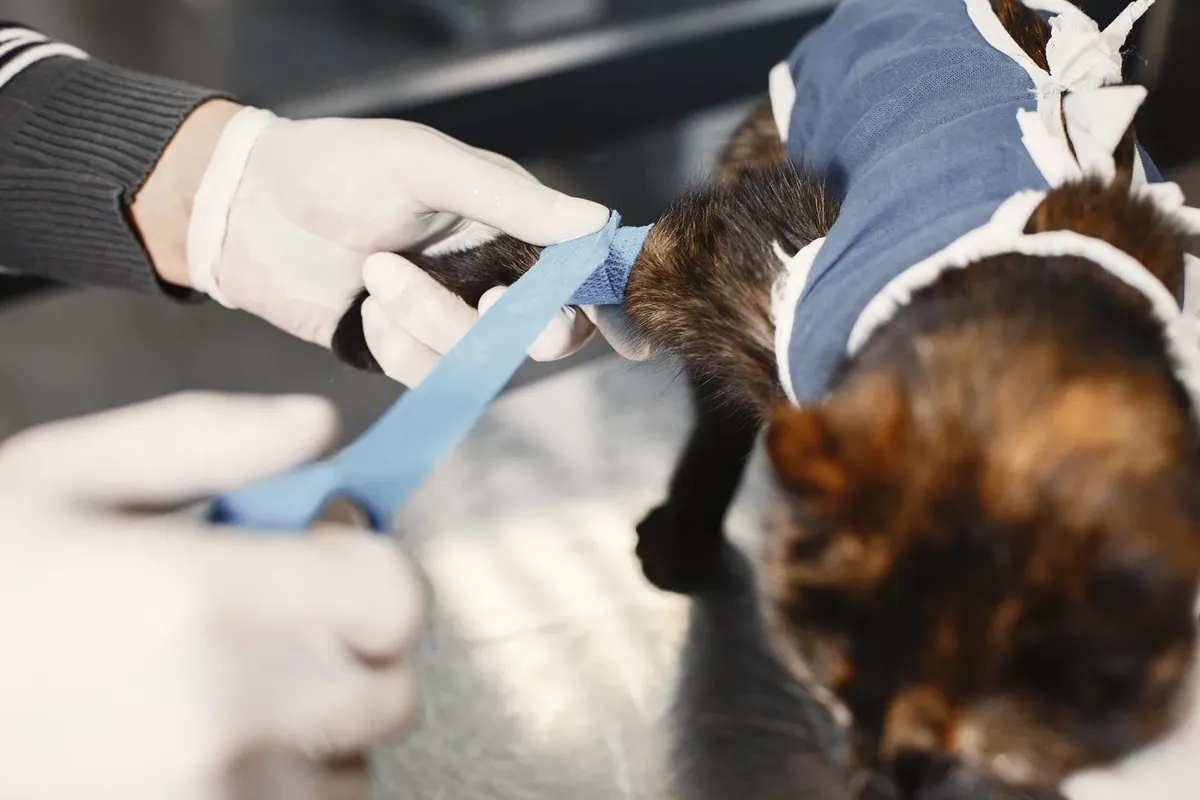
According to PLoS neglected tropical diseases, seroprevalence was zero on an island that never had cats and 1.8% on an island where cats were eradicated in 2000.
According to Frontiers in public health, a 10-fold higher infection rate for cat rabies may be explained by cats' hunting habits and predation.
Hunting behaviors can lead to various health complications, including exposure to parasites or injuries. The act of hunting increases the likelihood of physical harm or parasitic infection. This 10-fold higher infection rate for cat rabies may be explained by cats' hunting habits and predation.
Predation activities increase the chances of encountering pathogens. Managing outdoor access is one way to mitigate these risks. Controlling the cat's access limits potential exposure.
While cats are natural hunters, the physical toll of predation can impact their overall well-being. The physical exertion from hunting affects the cat's health. If a cat spends significant time outdoors, they may encounter more pathogens.
Increased outdoor time correlates with greater exposure to infectious agents. Owners must balance the cat's natural instincts with the need to prevent infectious diseases through regular veterinary check-ups. Veterinary check-ups are necessary to monitor for diseases contracted outdoors.
How can I manage hairballs and grooming needs?

A person sits on the floor, gently pulling a brush through a cat's thick coat to remove loose strands. This task is essential for long-haired breeds to prevent discomfort and health issues. Removing loose strands prevents the fur from being ingested.
To manage the risks associated with grooming, follow these steps:
- Schedule regular brushing sessions to remove loose fur before the cat ingests it. Consistent scheduling ensures timely removal of fur. 2. Monitor the frequency of hairball regurgitation to ensure it does not interfere with eating. Observing regurgitation helps assess the severity of hairball formation. 3. Use specialized brushes designed to handle different hair lengths effectively. Selecting the right tool maximizes the effectiveness of the grooming procedure.
I noticed that using a soft brush during these sessions helps prevent skin irritation while managing the hair. A soft brush minimizes friction against the skin. For cats with long hair, the hairbrush-like effect of the tongue can cause significant buildup.
The tongue's function, when unchecked by brushing, promotes substantial fur accumulation.
A limitation of these grooming steps is that they may not prevent all hairball formation, especially in breeds with extremely dense coats. Dense coats exacerbate the difficulty in preventing hairball formation.
How do physical traits influence skin care?
A cat stretches across a wooden floor, its skin pulling taut over its muscular frame. Understanding the anatomy of a cat helps in identifying when something might be wrong with their coat or skin. The cat's physical structure provides clues about its health.
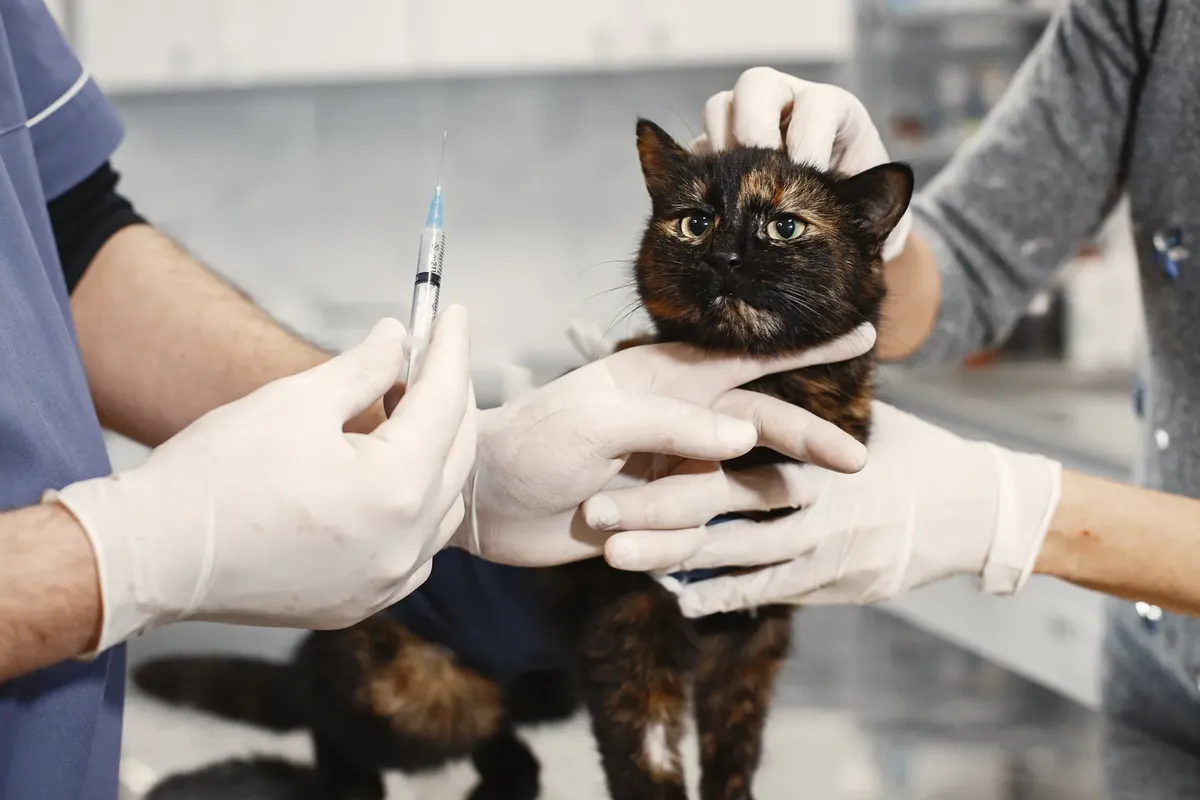
The anatomy of the tongue and the hair itself plays a role in how skin health is maintained. The papillae on the tongue are designed to clean the coat, but they also facilitate the collection of hair. The dual function of the papillae means that cleaning simultaneously aids in fur gathering.
| Feature | Measurement |
|---|---|
| Filiform papillae length | 0.5 mm (0.020 in) |
| Hairball length | 2–3 cm (0.8–1.2 in) |
Understanding these measurements helps owners recognize the scale of what they are managing during grooming. Recognizing the scale allows owners to grasp the magnitude of the task. Keeping the coat clean is the first step in preventing skin-related issues.
A clean coat serves as the initial defense against dermatological problems.
What are the essential preventive steps for pet owners?
A pet owner checks the cat's ears and skin for any signs of redness or irritation during a weekly health check. These routine inspections are vital for early detection of issues. Routine checks allow for prompt identification of problems.
To ensure long-term health, pet owners should focus on these three areas:
- Maintain a consistent diet to support skin elasticity and coat shine. A stable diet provides the necessary nutrients for healthy skin and coat appearance. 2. Keep the environment clean to reduce the presence of allergens and parasites. A clean environment minimizes exposure to potential irritants and pests. 3. Perform regular physical inspections of the skin and fur. Physical inspections allow owners to observe the cat's condition closely.
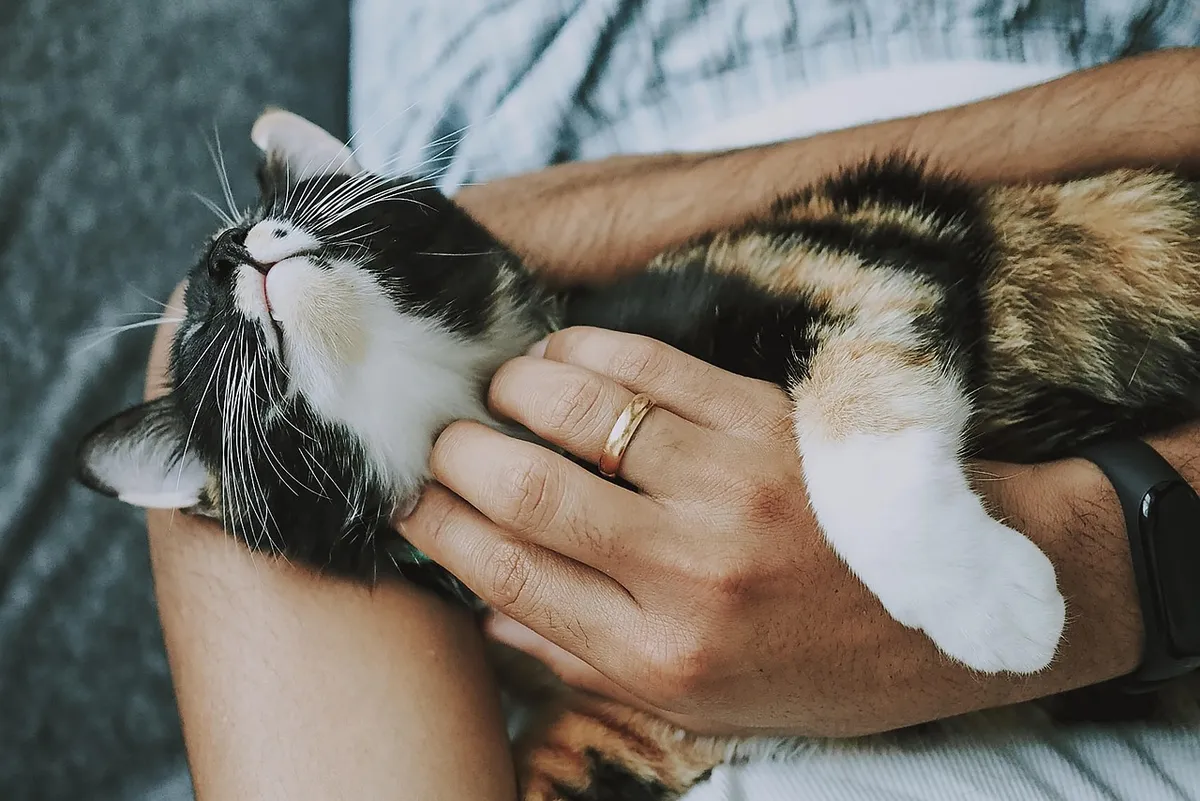
Regularly checking the skin helps in identifying issues before they become severe. Early detection prevents minor problems from escalating. Because cats spend so much time grooming, their skin is frequently in contact with their own hair and saliva.
The constant contact with hair and saliva means the skin is continually exposed to its own biological matter.
- How do grooming habits affect skin and stomach health?
- What are the risks of hunting and outdoor activities?
- How can I manage hairballs and grooming needs?
The subject here is Preventing cat skin issues.
The same subject is also called Cat skin care tips.
The same subject is also called Healthy cat skin guide.
The same subject is also called Preventing cat skin disease.
The same subject is also called Best cat skin routine.
This part also covers Diet for cat skin health.
This part also covers Natural remedies for cat skin.
This part also covers When to see a vet for cat skin.
Diet for cat skin health
Related




Comments 0