Bored Cat Tips: How to Stop Destructive Behavior 2
"A bored cat is a destructive cat, turning your living room into a jungle gym of chaos."
To prevent behavioral issues, you must provide mental and physical stimulation that mimics a cat's natural hunting instincts through interactive play and environmental enrichment. Focus on vertical territory, scent work, and scheduled play sessions to redirect their energy.
* Understand the biological drive to hunt. * Utilize vertical space to reduce stress. * Implement interactive feeding to prevent boredom. * Schedule active play to burn energy.
Why Does My Cat Suddenly Attack My Feet?
At midnight in the dim hallway, a sudden weight lunges against my ankles, followed by the sharp sting of claws.
A shadow moves across the hallway at 2:00 AM, and before you can react, a soft but heavy weight hits your ankles. You freeze in the dark, feeling the sharp sting of claws against skin, wondering why your once-docile companion has turned into a tiny predator.
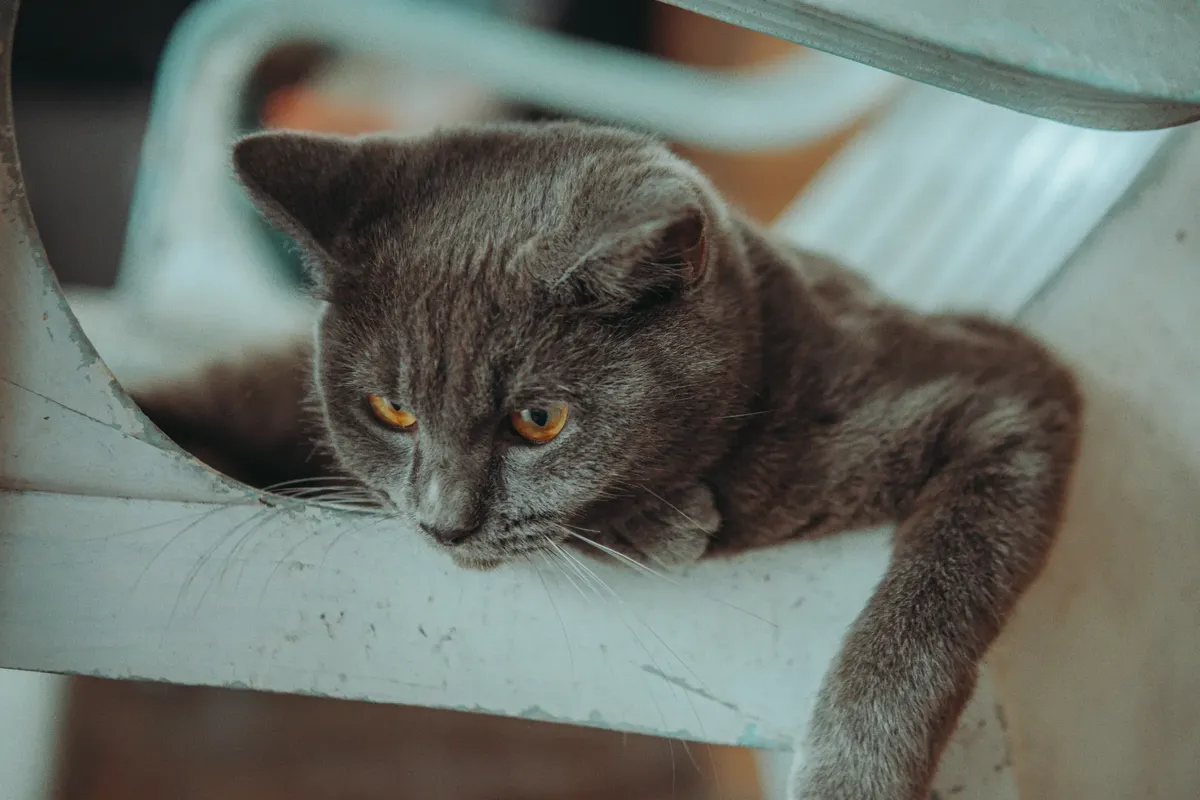
This sudden aggression often stems from an unmet predatory drive that has been redirected toward the most mobile targets in the house: your feet. When a cat lacks sufficient stimulation during their active hours, they seek out "prey" to satisfy their biological programming.
The hunting instinct is not a choice; it is a hardwired neurological requirement for felines. In the wild, a cat spends the majority of its waking hours stalking, chasing, and pouncing.
In a domestic setting, if that energy isn't channeled through toys or structured play, the cat will find its own targets.
To manage this, you must transition from passive ownership to active engagement. Simply leaving a ball on the floor is rarely enough to satisfy a high-energy cat. You need to simulate the entire cycle of the hunt: the stalk, the chase, and the catch.
- Schedule vigorous play sessions at dawn and dusk to align with their natural crepuscular activity. 2. Use wand toys that mimic the erratic movement of birds or mice to trigger the predatory response. 3. Always allow the cat to "catch" the toy at the end of a session so they feel the satisfaction of a successful hunt.
I remember sitting on my living room floor during a late-night study session, watching my tabby, Jasper, crouch behind the sofa.
The way his pupils dilated and his hindquarters wiggled signaled a hunt was imminent, and I knew that if I didn't provide a wand toy right then, my ankles were the next in line.
This behavior is not a sign of malice but a sign of an empty mental tank. Without a way to expend this energy, the cat becomes a strategist of chaos.
Can vertical space help reduce my anxiety? The sun hits the top of the bookshelf, casting a long shadow across the room where a cat sits perched, looking down at the world with quiet intensity. From this height, they are observers rather than participants, feeling a sense of security that the floor can never provide.
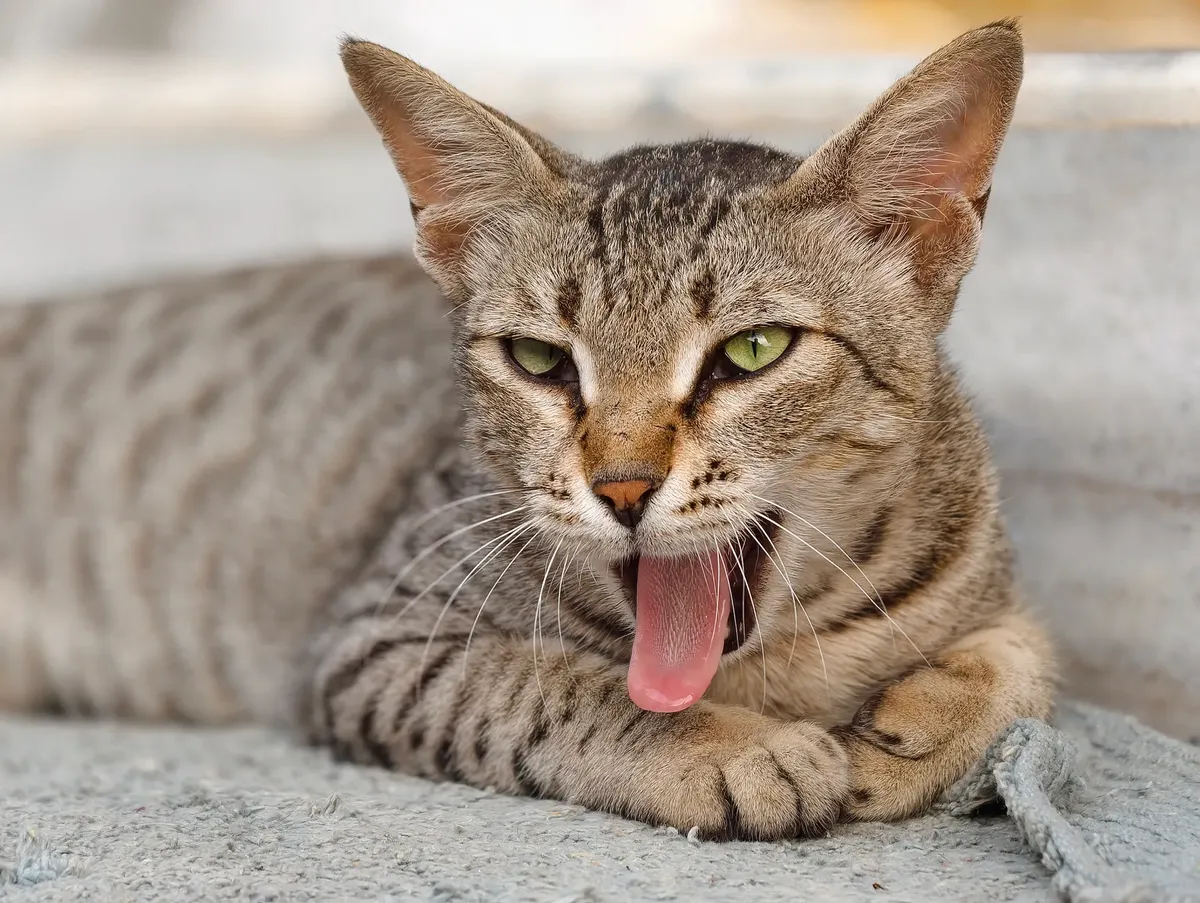
Vertical space is a fundamental requirement for feline psychological health, acting as a natural stress reliever. Providing climbing structures, such as tall cat trees or wall-mounted shelves, allows cats to navigate their environment without constantly interacting with ground-level stressors.
In a multi-cat household, verticality is the key to peace. Cats use height to establish social hierarchies and to find "safe zones" where they can observe the household without being approached.
If a cat feels trapped on the floor, their anxiety levels will rise, often leading to territorial aggression or hiding.
Providing these heights mimics the natural way cats survey their surroundings in the wild. A cat that can climb can escape perceived threats, whether those threats are a loud vacuum cleaner or another resident pet.
| Feature | Benefit to Cat | Practical Implementation |
|---|---|---|
| High Perches | Observation & Security | Tall cat trees or window perches |
| Wall Shelves | Territory Expansion | Staggered floating shelves |
| Enclosed Beds | Privacy & Safety | High-placed cubbies or hooded beds |
When you look at your living room, ask yourself if there is a clear path for a cat to move from one side of the room to the other without ever touching the floor. If the only way to travel is through the "danger zone" of the carpet, your cat is likely living in a state of low-level chronic stress.
This is not just about luxury; it is about territorial management. A cat with access to height feels they have more room to maneuver, which reduces the need to fight for space.
How Does Boredom Manifest in Feline Behavior?
The living room looks pristine, yet a corner of the expensive rug is frayed, and a potted plant lies overturned on the floor. You stand there, looking at the mess, realizing that the destruction is almost always a direct result of the silence in the house.
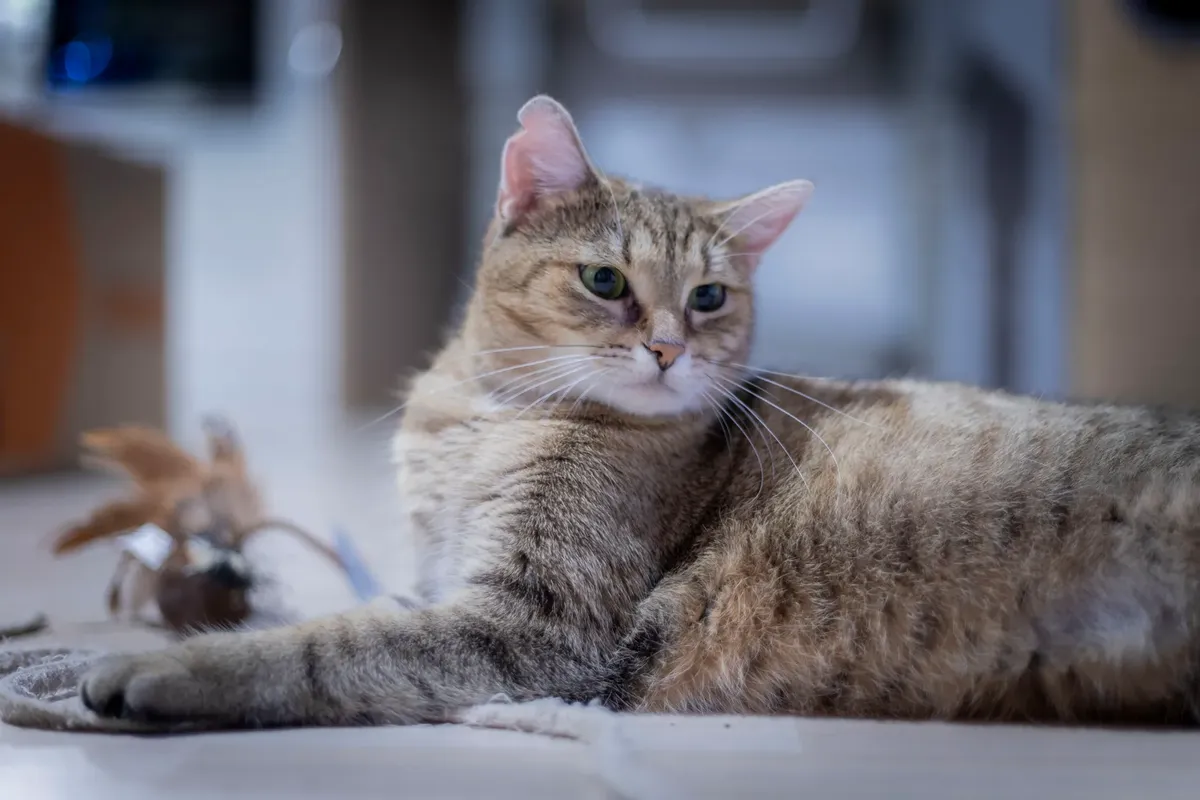
Boredom in cats often manifests as destructive behavior, excessive grooming, or repetitive pacing. When a cat's environment lacks opportunities to hunt or explore, they redirect that pent-up energy into destroying furniture, scratching doors, or even self-mutilation.
The hunting drive is a primary source of feline engagement. If their environment lacks opportunities to hunt—even simulated hunting—they may redirect this energy into destructive or repetitive behaviors.
This is why a cat might scratch a sofa instead of a scratching post; the scratching provides the tactile feedback of a successful hunt.
To combat this, you must introduce variety. A static environment is a boring environment. If the toys they have today are the same toys they had six months ago, they no longer serve as meaningful engagement.
- Introduce puzzle feeders to turn mealtime into a mental challenge. 2. Rotate toys weekly so that "old" toys feel new again when brought out. 3. Use window perches to provide "cat TV" via birds and moving leaves outside.
I once lived in a small apartment where the only vertical option was a single scratching post. My cat spent most of her time staring at the ceiling, and when I finally installed a series of wall-mounted steps, her entire personality seemed to shift from lethargic to lively.
It is important to note that while enrichment is vital, it is not a substitute for medical care. If a cat begins sudden destructive behavior, ensure there are no underlying pain issues first.
How can scent and sound create a stimulating space? A sudden breeze through an open window carries the scent of rain and damp earth, and a cat pauses, ears twitching, nose working rapidly to decode the invisible messages in the air. For a moment, the living room disappears, replaced by the vast, sensory-rich world of the outdoors.
Scent and sound are powerful tools for environmental enrichment that can engage a cat's mind without requiring physical space. Cats live in a world of smells; providing them with safe, interesting scents can provide hours of mental "traveling."
While much of our focus is on physical movement, the olfactory and auditory senses are equally important for mental stimulation. Using cat-safe scents like silvervine or catnip can trigger different neurological responses, providing a healthy way for them to engage with their environment.
For cats that spend most of their time indoors, the world can become scent-deprived. Bringing in safe elements—like a piece of driftwood or a dried herb—can stimulate their natural curiosity and investigative behaviors.
* Scent Work: Use pheromone diffusers or safe botanical scents to create a calming or stimulating atmosphere. * Auditory Stimulation: Soft, classical music or nature sounds can provide a soothing backdrop or a source of gentle curiosity. * Tactile Variety: Mix different textures in their bedding and scratching areas to keep their senses engaged.
If you are managing a multi-cat household, scent-based enrichment can also help in territorial marking and social communication. It allows cats to "read" the room and understand the presence of others in a way that is much more natural than visual cues alone.
A well-rounded environment addresses all the senses. If you only focus on the physical, you are leaving half of their biological needs unmet.
Destructive — Managing Energy Through Structured Routine The clock on the wall ticks steadily toward 6:00 PM, and you notice your cat beginning to pace the hallway, eyes wide and tail twitching rhythmically. You know exactly what is happening: the evening ritual is about to begin.
A structured routine is the backbone of a stable feline temperament. Cats thrive on predictability; knowing when they will eat, play, and sleep helps regulate their cortisol levels and reduces anxiety-driven behaviors.

Routine provides a sense of control. In a world where humans are often unpredictable, a cat's schedule serves as their anchor.
When activities like feeding and play are tied to specific times, the cat is less likely to engage in "attention-seeking" behaviors like meowing at odd hours or knocking things off tables.
To build an effective routine, you must balance high-intensity activity with periods of deep rest. A cat that is constantly stimulated will become overtired and irritable, much like a human child.
- Establish a morning "wake-up" play session to burn off overnight energy. 2. Provide scheduled meals or timed feeder sessions to prevent food-related anxiety. 3. Implement a wind-down period in the evening with gentle grooming or quiet play to prepare them for sleep.
I found that my most difficult behavioral issues vanished once I stopped playing with my cat whenever I felt like it and started playing at 7:00 AM and 7:00 PM every single day. The predictability turned my "problematic" cat into a calm, settled companion.
However, a routine should not be so rigid that it prevents natural exploration. It should be a framework that supports their life, not a cage that restricts it.
Related
FAQ
How can I stop my cat from scratching furniture?
Is vertical space really necessary for all cats?
Popular posts

Cat Adoption Guide: 5 Essential Categories for New Owners

Cat Body Language: 5 Key Signals to Understand Your Pet

Cat Food Guide: 4 Ways to Improve Your Pet's Hydration

Comments 0