Vertical Cat Design: 3 Tips for a Stable Feline Territory
"A house is a human space, but a home is a feline territory."
Designing a living space for a cat is not a one-time task performed during move-in day; it is a continuous evolution of spatial management. To ensure long-term stability, you must prioritize verticality, sensory management, and the separation of biological zones.
Key Takeaways * Prioritize vertical territory to reduce ground-level anxiety. * Separate feeding, sleeping, and elimination areas to respect natural instincts. * Plan for aging by ensuring accessibility as mobility decreases.
* Maintain a consistent layout to provide psychological security.

Why vertical space matters in a small apartment
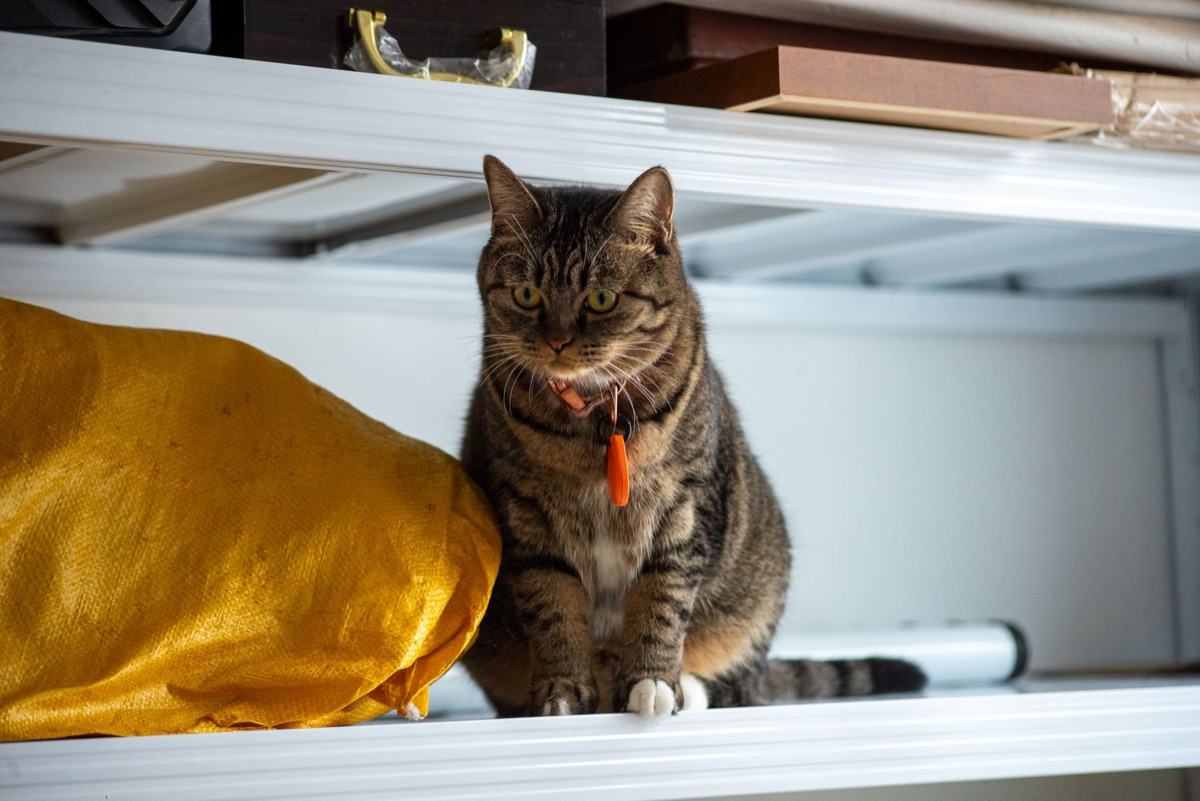
The sun hits the hardwood floor of my living room at 2:00 PM, and my cat immediately seeks the highest point in the room. He doesn't want to be near the vacuum cleaner or the walking path to the kitchen; he wants to look down on the world.
In a permanent living setup, verticality is the most effective way to expand a small footprint without adding square footage. Cats use height to monitor their surroundings and feel secure from perceived threats.
If you only provide floor-level items, you are effectively shrinking their usable territory.
To build a stable environment, you should consider these three layers of verticality: 1. High Perches: Wall-mounted shelves or tall cat trees that allow a cat to move across a room without touching the ground. 2.
Mid-Level Transit: Furniture like sturdy bookshelves or window perches that act as stepping stones. 3. Ground-Level Retreats: Low-profile hiding spots that remain accessible even if the cat is feeling shy.
| Feature | Purpose | Long-term Benefit |
|---|---|---|
| Wall Shelves | Territory Expansion | Reduces territorial disputes in multi-cat homes |
| Window Perches | Sensory Enrichment | Provides mental stimulation through visual tracking |
| Floor Hideouts | Safety & Security | Offers a quick escape during loud household noises |
However, maximizing verticality can become counterproductive if it makes the ceiling feel oppressively low. When I first installed tall shelving, I realized it made the room feel much larger but also harder to clean. I now prefer using lower, modular pieces to maintain a sense of openness.

How to separate biological zones for peace of mind
I remember the first time I put a food bowl right next to the litter box in my old studio apartment. The tension in the room was palpable as my cat hesitated to eat, smelling the waste right next to his meal.
A fundamental principle of long-term environmental design is the separation of "life zones." Cats are instinctually wired to keep their hunting/eating areas far away from their elimination areas. If these zones overlap, it can lead to chronic stress, appetite loss, or even inappropriate urination.
Follow these steps to establish clear boundaries: 1. Identify the Hygiene Zone: Place litter boxes in quiet, low-traffic areas that are easy to clean but not tucked into a dark corner where they might feel trapped. 2.
Establish the Feeding Zone: Locate food and water stations in a different room or at least several feet away from the litter area. 3. Create the Rest Zone: Sleeping areas should be in a low-noise, temperature-controlled environment, ideally away from the "work" areas of the house.
This approach may not work in studio apartments where physical partitions are impossible to install. When I tried dividing my sleeping area with a screen, I found it actually made the room feel more cluttered. I learned that using different lighting temperatures is a much more effective way to signal a change in zone.

Managing sensory input for lasting stability
At 11:00 PM, the sudden sound of a heavy book falling in the next room sends a jolt through the house. I watch my cat freeze, ears swiveling toward the noise, eyes wide and scanning the shadows.
Long-term stability requires managing the sensory environment—noise, light, and scent. As cats age, their sensory thresholds change; a sound that was once a mere background noise might become a terrifying disruption.
A stable environment is one where the cat can predict and control their sensory input.
To manage this, you should implement the following: * Sound Buffering: Use rugs and soft furnishings to dampen the echoes of footsteps or moving furniture. * Light Control: Ensure they have access to natural light through windows, but also provide dark, shaded areas for naps.
* Scent Neutrality: Avoid using heavy perfumes or cleaning agents with overwhelming scents in their primary living areas.
These adjustments might be overwhelming for individuals who require constant high-level stimulation to stay focused. When I attempted to minimize all background noise, I actually felt more anxious due to the sudden silence. I found that a consistent, low-level ambient sound is much more soothing than total quiet.
Preparing for the aging process in your home layout
The vet appointment last month left me looking at my cat's jumping ability with a new sense of concern. He used to leap to the top of the refrigerator without a second thought, but now he pauses, eyeing the height with hesitation.
A mistake many owners make is setting up a "permanent" environment that only works for a young, agile cat. As cats enter their senior years, joint stiffness and declining vision turn high shelves and narrow walkways into obstacles. A truly long-term setup includes "future-proofing."
You can prepare for these changes by following these adjustments: 1. Install Ramps or Steps: Place pet stairs next to high beds or sofas to assist with climbing. 2.
Wide Pathways: Ensure walkways are wide enough to allow for easy movement, especially if the cat begins to struggle with balance. 3. Low-Entry Litter Boxes: Transition to boxes with lower sides to accommodate cats with arthritis who can no longer jump over high rims.
Aggressive modifications for accessibility can sometimes compromise the aesthetic integrity of a well-designed home. When I installed grab bars in my bathroom, they felt quite intrusive against the modern decor. I now look for sleek, designer-friendly hardware that provides safety without looking clinical.
Common mistakes in permanent environment design
I once spent a whole weekend building a massive, multi-level cat tree, only to realize it was placed right in the middle of the main hallway. My cat used it for exactly two days before the constant foot traffic made him too nervous to use it.
Many owners focus on "fun" features while forgetting the practical realities of living in a shared human space. An environment that is too open or too central can become a source of stress rather than a sanctuary.
Avoid these common pitfalls: * The "Showpiece" Trap: Buying expensive, oversized items that block human traffic or create "dead ends" where a cat can be cornered. * Single-Point Failure: Having only one high-up spot or one hiding spot.
If a cat is blocked from their favorite spot, they have no backup. * Ignoring Escape Routes: Placing a hiding box in a corner that has no exit. A cat should always have a way to leave a space without being intercepted.
Permanent changes are rarely effective if they do not account for the specific lifestyle shifts of the inhabitants. When I committed to a fixed furniture layout, I realized too late that I had blocked natural light paths. I now always prioritize flexible layouts that can adapt to changing needs.
Related
FAQ
What is the most important rule for cat environment setup?
How do I know if my environment is successful?
Related posts

Safety Guide: Ensuring Your Cat's Home is Sturdy and Secure

Cat Home Setup: Essential Guide for Cats Living With You

Senior Cat Care: Essential Guide for Cats Aged 7+ Years

Cat Hunting Instincts: 4 Steps to a Calmer Feline Friend
Popular posts
Cat Adoption Guide: 5 Essential Categories for New Owners

Cat Body Language: 5 Key Signals to Understand Your Pet
Cat Food Guide: 4 Ways to Improve Your Pet's Hydration

Comments 0