Senior Cat Care: Essential Guide for Cats Aged 7+ Years
Transitioning from the prime of life to the senior years requires a proactive shift from reactive treatment to strategic, age-specific preventive care to ensure a high quality of life.
As our feline companions enter their golden years, the approach to their well-being must shift from growth and maintenance to careful management of physiological decline. Recognizing the subtle shifts in energy, appetite, and mobility is the first step in extending their lifespan.
Key Takeaways: * Recognizing subtle behavioral shifts is the first line of defense against age-related diseases. * Nutritional adjustments must pivot from calorie-dense to nutrient-dense to support organ function. * Routine diagnostic screening becomes the cornerstone of longevity management.
* Environmental modification is essential to accommodate declining mobility and sensory loss.

How do we define the "Senior" stage and what changes to expect?
The sun hits the living room floor at 2:00 PM on a Tuesday in 2026, illuminating a ginger tabby who used to sprint toward the kitchen at the sound of a can opener but now only offers a slow, heavy blink. You watch him stretch, noticing how his movements aren't as fluid as they were in 2023.
A 2020 study by the West Health Policy Center stated that more than 1.1 million senior citizens in the U.S. are affected by these shifts.
According to the European journal of health economics, annual health care costs increased from 80 years to 97 years for men before declining in 2018.
In the veterinary world, we categorize the aging process into distinct brackets to better tailor care. The "Young Senior" phase typically spans from ages 7 to 10, where the first subtle signs of aging might appear.
The "Senior" stage follows from 11 to 14 years, and the "Geriatric" stage encompasses cats aged 15 and older.
During these transitions, biological shifts become the new reality. Metabolism slows down, and many cats begin to experience sarcopenia, which is the natural loss of muscle mass. Simultaneously, the efficiency of vital organs like the kidneys and liver begins to shift.
It is also vital to watch for the onset of feline cognitive dysfunction (FCD), where the brain's processing speed and memory may begin to flicker.
The most important tool you own is the "baseline." Because every cat is an individual, you must know exactly how your cat behaves when they are at their healthiest.
Establishing this baseline—their typical weight, their typical appetite, and their typical sleep patterns—is the only way to detect when a deviation is a sign of illness rather than just another Tuesday.

What are the critical health red flags to watch for?
A quiet evening in the house is interrupted by the sound of a cat meowing at the door at 3:00 AM on a rainy Thursday, sounding more lost than usual, or perhaps you notice they are stepping around their favorite scratching post instead of using it.
According to the International journal of dental hygiene, elderly individuals participating in oral health programmes saw significantly increased oral salivary secretion rates and OHQoL with effect sizes of 0.63 and 0.80, respectively, in 2020.
As noted in the International journal of dental hygiene, elderly participating in oral health programmes saw significantly increased oral salivary secretion rates and OHQoL in 2020.
When monitoring an aging cat, certain symptoms demand immediate attention. Unexplained weight loss is a major red flag, as is sudden weight gain, which can lead to obesity-related complications.
You must also watch for changes in thirst and elimination; increased thirst (poliodipsia) and frequent urination can be early indicators of kidney disease or diabetes.
Gastrointestinal changes, such as sudden vomiting or changes in stool consistency, should not be ignored in older cats. Mobility issues, such as stiffness in the morning or a reluctance to jump onto the bed, often signal arthritis or joint pain.
Finally, watch for sensory decline, such as clouded eyes (which could indicate cataracts or glaucoma) or a failure to respond to sounds that used to trigger an immediate reaction.
| Symptom Type | What to watch for | Potential Concern |
|---|---|---|
| Weight | Sudden loss or sudden gain | Muscle wasting or obesity |
| Hydration | Increased thirst / frequent urination | Kidney issues or Diabetes |
| Digestion | Changes in appetite or stool | GI issues or organ dysfunction |
| Movement | Stiffness or reluctance to jump | Arthritis or joint pain |
However, knowing the symptoms is only half the battle; knowing how to feed them is the real challenge.
How should the diet evolve for an aging cat?
You stand in the pet food aisle on a Saturday morning in 2026, staring at dozens of bags, wondering if the high-protein formula that kept your cat lean at age four is now too much for their kidneys to handle.
The dietary needs of an aging cat require a delicate balancing act. Protein optimization is critical; you need high-quality protein to prevent muscle wasting, but you must ensure the levels do not overtax the kidneys if chronic kidney disease is present.
Caloric management is equally important to prevent obesity, which can exacerbate joint pain, while ensuring the food remains nutrient-dense.
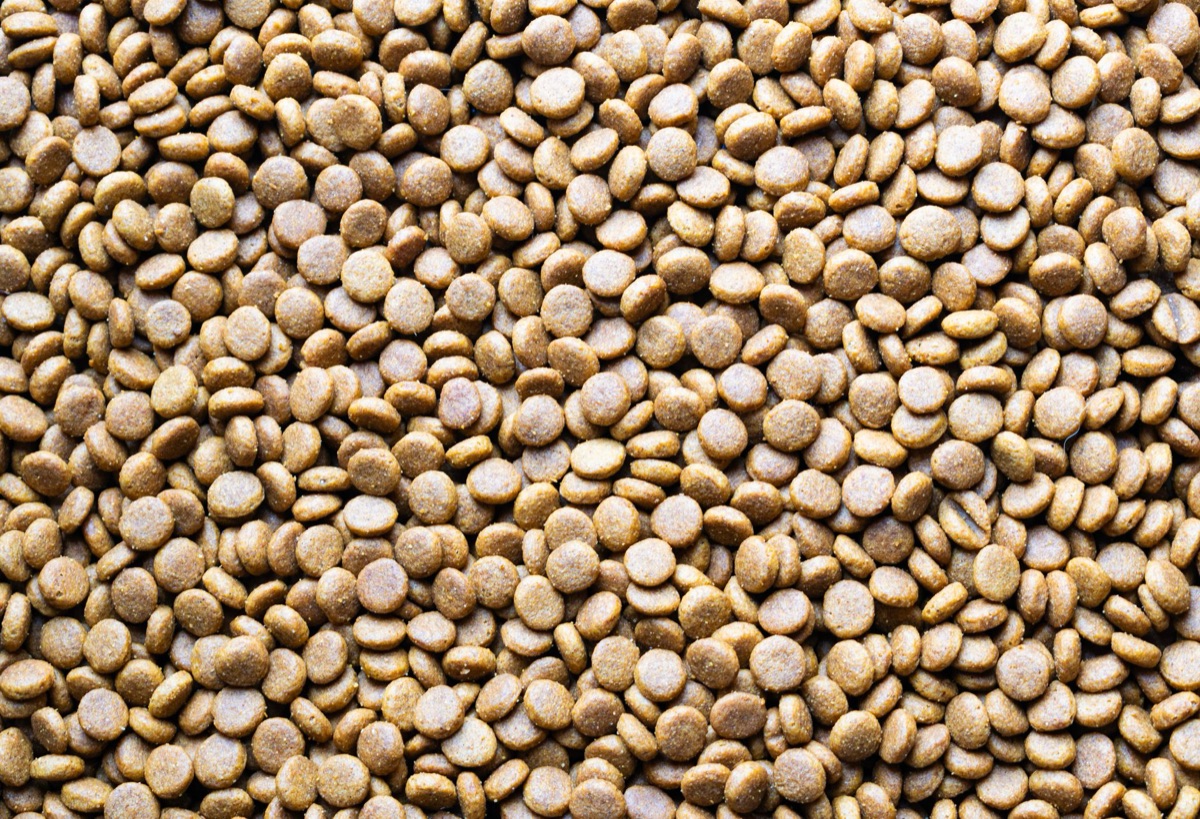
As dental issues become more common, texture matters. Transitioning to wet food or softened kibble can make eating easier for cats with sensitive teeth or gums. Supplementation can also play a role, particularly with Omega-3 fatty acids, glucosamine, and chondroitin to support joint health.
For cats already showing signs of kidney issues, managing phosphorus and sodium levels becomes a primary dietary goal.
When I first transitioned my own senior tabby to a kidney-friendly diet, I noticed he initially refused the kibble entirely, forcing me to mix it with warm water to reach the right consistency.
What is the essential senior cat care routine?
The vet clinic waiting room feels different now; the air is quieter, and the focus has shifted from vaccinations to much more complex diagnostic conversations. A November 2020 study by the West Health Policy Center stated that more than 1.1 million senior citizens in the U.S.
are affected by these issues.
A robust senior care routine moves away from once-a-year checkups toward more frequent monitoring. Bi-annual veterinary visits are highly recommended to catch chronic issues in their infancy.
During these visits, regular screening of kidney values (such as SDMA), thyroid levels (T4), and glucose levels is essential for catching metabolic shifts.
Dental hygiene is another pillar of senior care. Professional cleanings and consistent home-based oral care help prevent systemic infections that can travel to the heart or kidneys. At home, you should perform weekly weigh-ins to track subtle changes in body composition.
Finally, provide environmental enrichment—low-impact mental stimulation like puzzle feeders can help keep their minds sharp as they age.
How can we adapt the home environment for senior cats?
You walk into the bedroom at 7:00 AM and realize the high, plush bed your cat used to love is now an impossible obstacle for their stiff joints, forcing them to sleep on the hard floor instead.
Adapting your home is about removing barriers to comfort and safety. Accessibility is key: use ramps, pet stairs, or low-entry litter boxes to accommodate cats with arthritis.
Since older cats often struggle with thermoregulation, providing orthopedic beds and accessible heat sources can help them stay comfortable.
Safety also means securing walkways to prevent slips and ensuring that food and water stations are easily reachable without requiring heavy jumping. Finally, maintaining a stable routine is vital.
Consistent schedules for feeding and play can reduce the anxiety that often accompanies the cognitive changes in aging cats.
But before you start buying ramps and orthopedic beds, you need a plan of action.
Summary of Senior Care Steps
- Establish a Baseline: Document your cat's normal weight, appetite, and activity levels.
- Schedule Bi-Annual Exams: Move to twice-yearly vet visits to catch issues early.
- Adjust Nutrition: Pivot to high-quality, easy-to-digest foods as needed.
- Modify the Environment: Add ramps, low-entry boxes, and orthopedic bedding.
- Monitor Daily: Watch for changes in thirst, appetite, and mobility.
Common Mistakes to Avoid * Assuming "it's just old age": Many symptoms, like weight loss or lethargy, are signs of disease, not inevitable aging. * Ignoring dental health: Oral infections can lead to much more serious systemic health issues in seniors. * Failing to adjust calories: As metabolism slows, the old food portions may lead to rapid weight gain. * Neglecting muscle mass: Don't cut protein too low in an attempt to "save the kidneys" without veterinary guidance, as this can lead to muscle wasting.
#
FAQ
고양이의 연령별 단계 구분은 어떻게 되나요?
나이가 많은 고양이의 건강 관리에 있어 가장 중요한 것은 무엇인가요?
노령묘를 돌볼 때 식단과 환경 관리에 있어 변화가 필요한 부분이 있나요?
Related posts

Cat Hunting Instincts: 4 Steps to a Calmer Feline Friend

Cat Body Language: 5 Key Signals to Understand Your Pet

Cat Grooming Guide: 4 Essential Brush Types for Every Coat

Cat Adoption Guide: 5 Essential Categories for New Owners
Popular posts
Cat Adoption Guide: 5 Essential Categories for New Owners
Cat Body Language: 5 Key Signals to Understand Your Pet

Cat Food Guide: 4 Ways to Improve Your Pet's Hydration
Comments 0