California Sphynx Cat traits: Guide to Experimental Status
"The pursuit of a distinct feline silhouette often leads breeders through complex genetic pathways and experimental trials."
This breed represents a unique intersection of selective breeding and aesthetic development.
This article explores its experimental status, its recognition by major associations, and the lineage-driven nature of its development.
How does the California Sprangled maintain experimental status?
A breeder examines a certificate from a major feline registry to understand the unique standing of a specific breed.
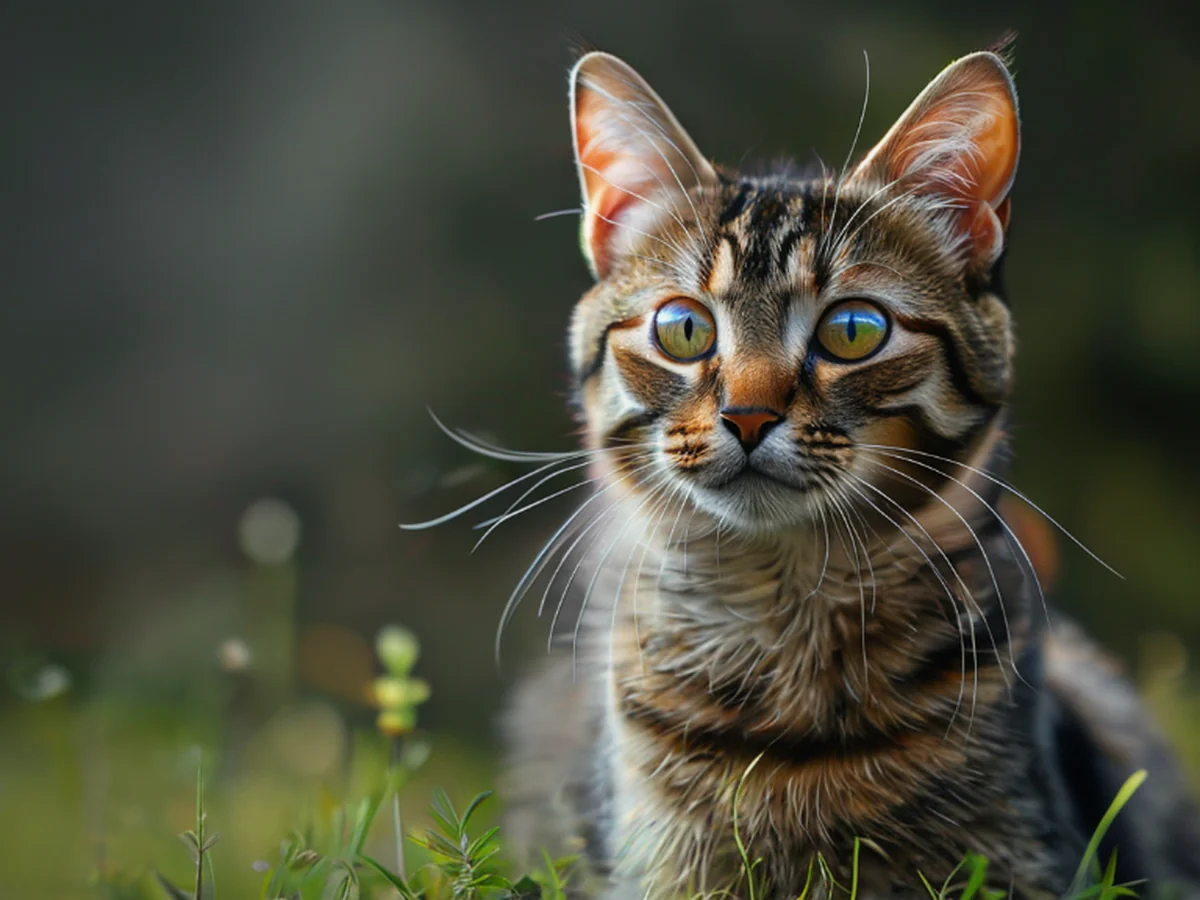
This status indicates that while the breed exists within structured registries, it is still undergoing the scrutiny of standardized development.
Such recognition allows breeders to participate in organized shows while continuing to refine the breed's specific traits. This process is essential for experimental cat breed traits as they move toward full standardization.
By working within these frameworks, breeders can document the consistency of physical characteristics across generations.
The breed remains in the experimental category to allow for further phenotypic stabilization within the registry.
How did trial programs shape breed development? A judge walks through a hall of diverse cats, observing how different lineages manifest in physical form.
In 2008, a World Cat Federation (WCF) all-breeds judge visited Cyprus to work at a cat show and was introduced to a breeder of purebred cats developed in this trial breeding program from the Cyprus cats.
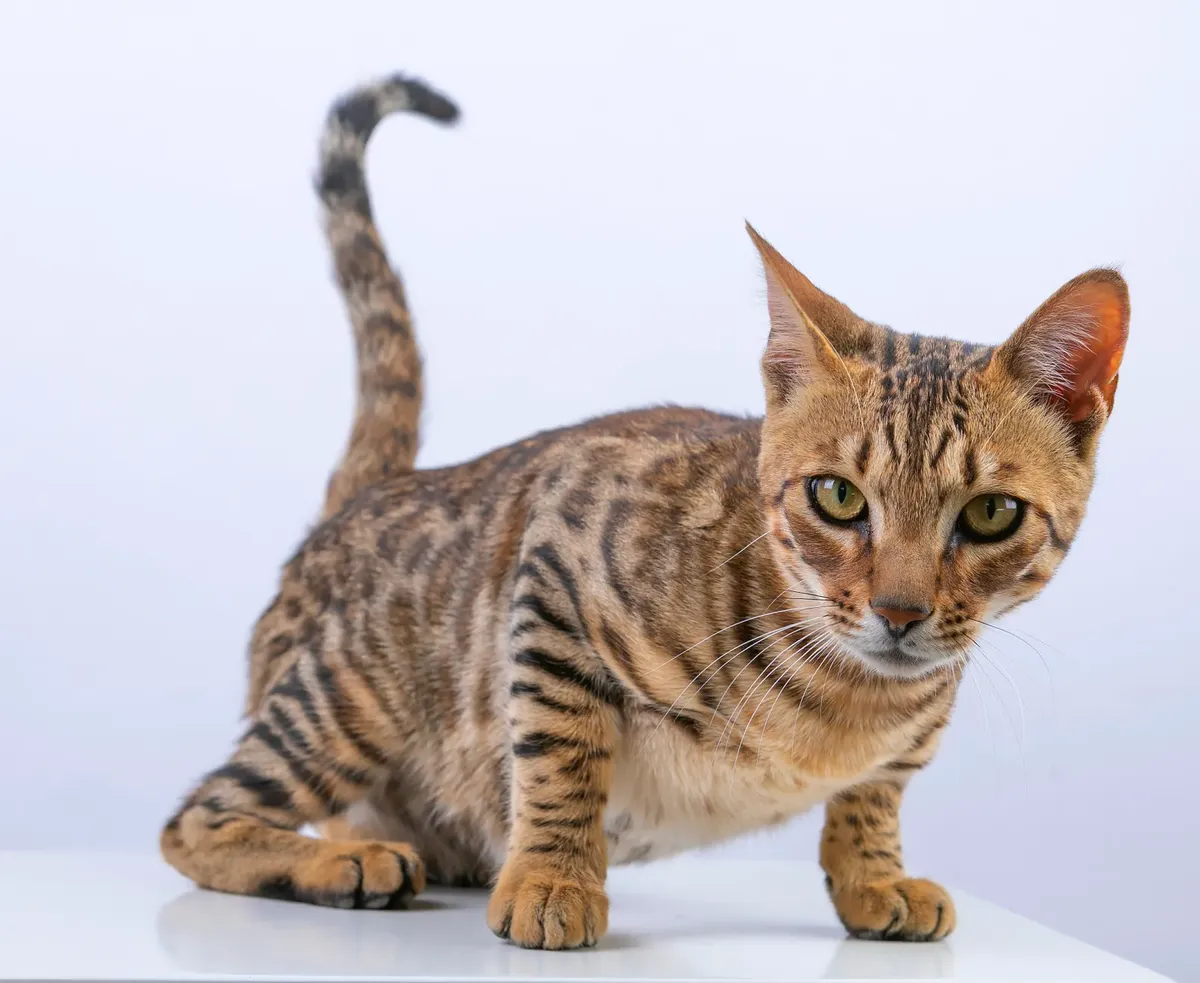
This historical context highlights how specialized breeding programs can lead to the emergence of new varieties.
The development of such breeds often involves rigorous selection to ensure unique traits are passed down reliably. Analyzing experimental cat genetics becomes a primary focus during these stages.
This careful management ensures that the breed's identity remains distinct from more common domestic varieties.
Trial programs serve as a testing ground for unique traits before they are considered for full championship status.
How does TICA recognize new varieties?
A registrar reviews a new breed application to determine its placement within established groups.
In September 2017, The International Cat Association (TICA) recognized the cats, under the name Aphrodite, as a "preliminary new breed", in its own breed group and with both shorthaired and semi-longhaired varieties.
This classification provided a structured environment for the breed to be evaluated alongside other established types.
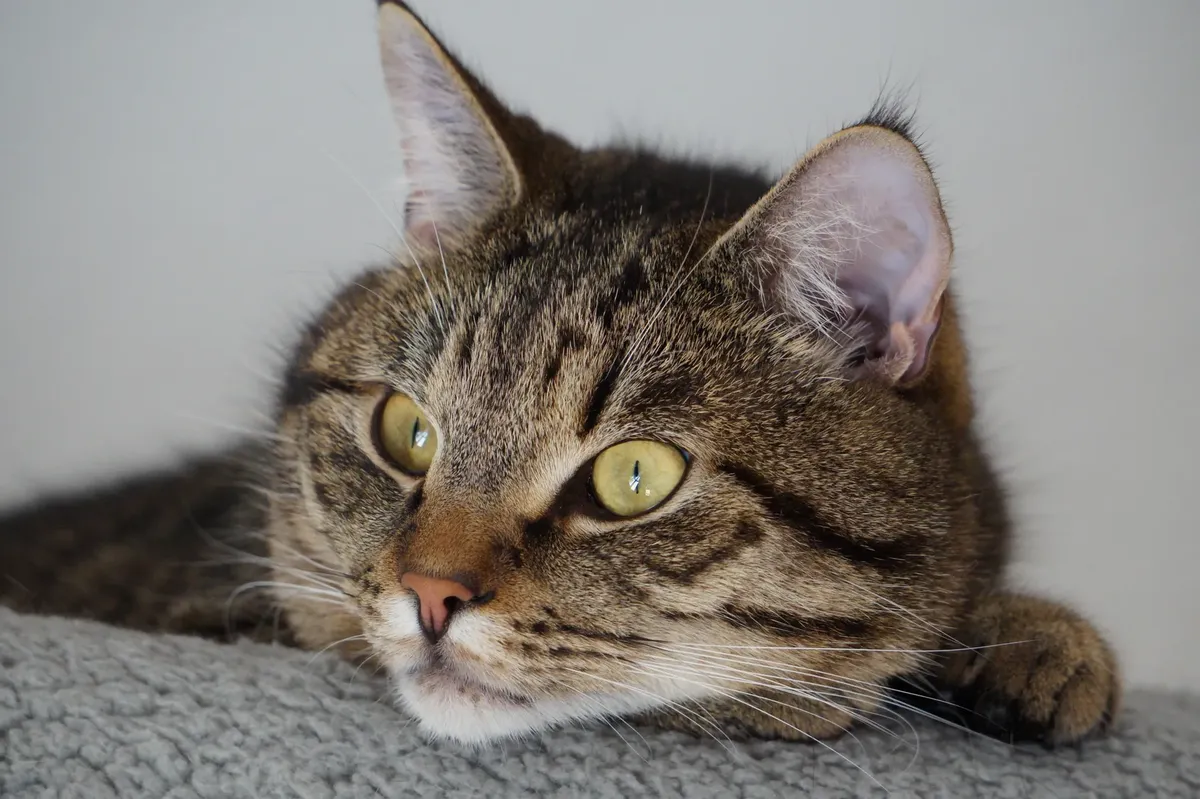
This type of recognition is a significant milestone for any new lineage. Developed cat breed features are often categorized by hair length or other distinct physical markers during these initial stages.
Such classifications help breeders understand how their cats fit into the broader global feline community.
TICA evaluates new varieties based on consistency of type and the ability to meet specific breed standards.
What makes up a breed's lineage? A breeder looks at a pedigree chart to trace the specific ancestry of a single kitten. Understanding the lineage is vital for maintaining the intended traits of an experimental breed. This process involves tracking how specific genes contribute to the overall look and temperament of the animal.
| Feature | Description |
|---|---|
| Association Recognition | ACA and TICA |
| Breed Status | Experimental |
I observed how these registry details dictate the competitive path for breeders. Sphynx cat lineage study often informs how modern experimental breeds are structured. By looking at how previous breeding programs succeeded or failed, current breeders can better navigate the path to full recognition.
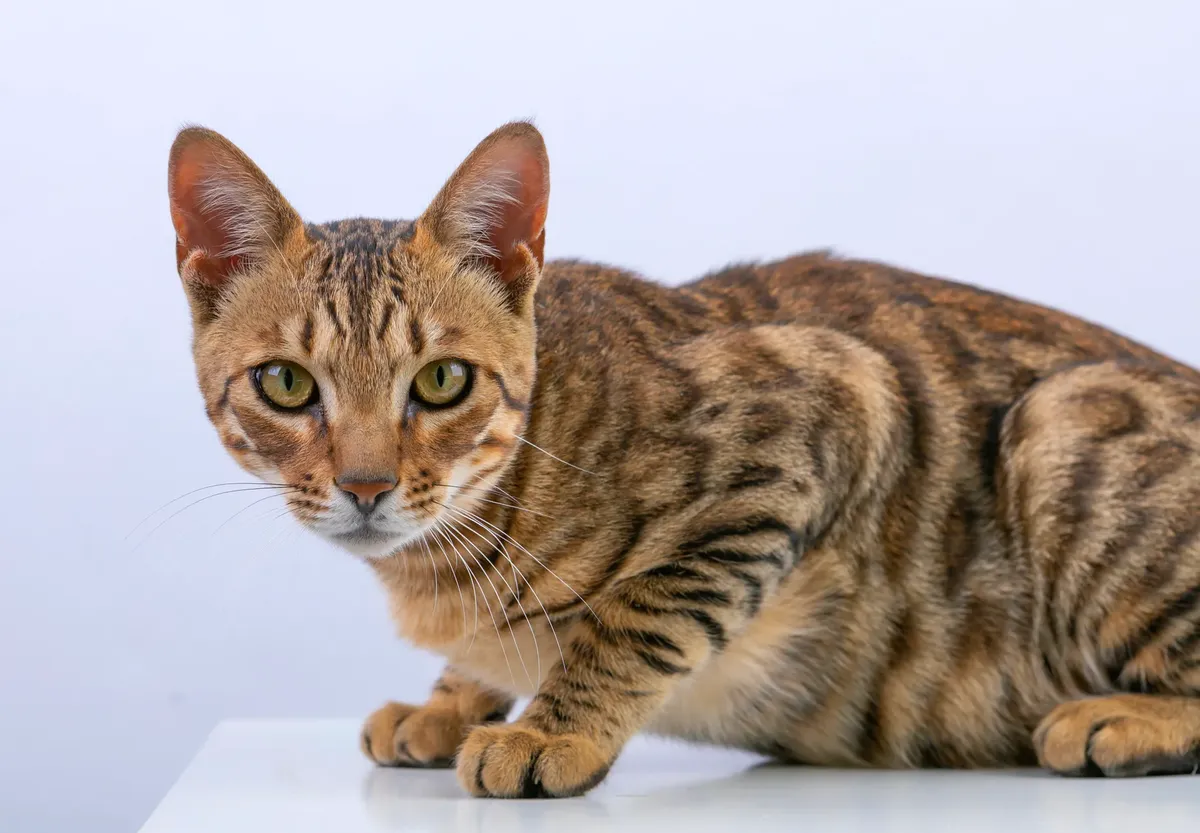
Lineage must demonstrate predictable inheritance of desired traits across multiple generations.
How can a breeder follow standardized steps?
A breeder follows a strict protocol to ensure the health and consistency of the litter. To manage an experimental breed, one might follow these steps:
- Document all lineage and genetic contributors clearly in registry paperwork. 2. Present the cats at sanctioned shows to receive feedback from experienced judges. s3. Maintain consistency in physical traits across different generations of the breeding program. 4. Final check of all registry requirements to ensure compliance with association standards.
This systematic approach helps prevent the loss of intended characteristics. Cat breed genetic makeup is the foundation of this work, requiring constant monitoring.
- Establish a foundational breeding group with consistent traits.
- Document all pedigrees and phenotypic outcomes.
- Present the breed to the registry for evaluation.
What are the limitations of experimental breeds?
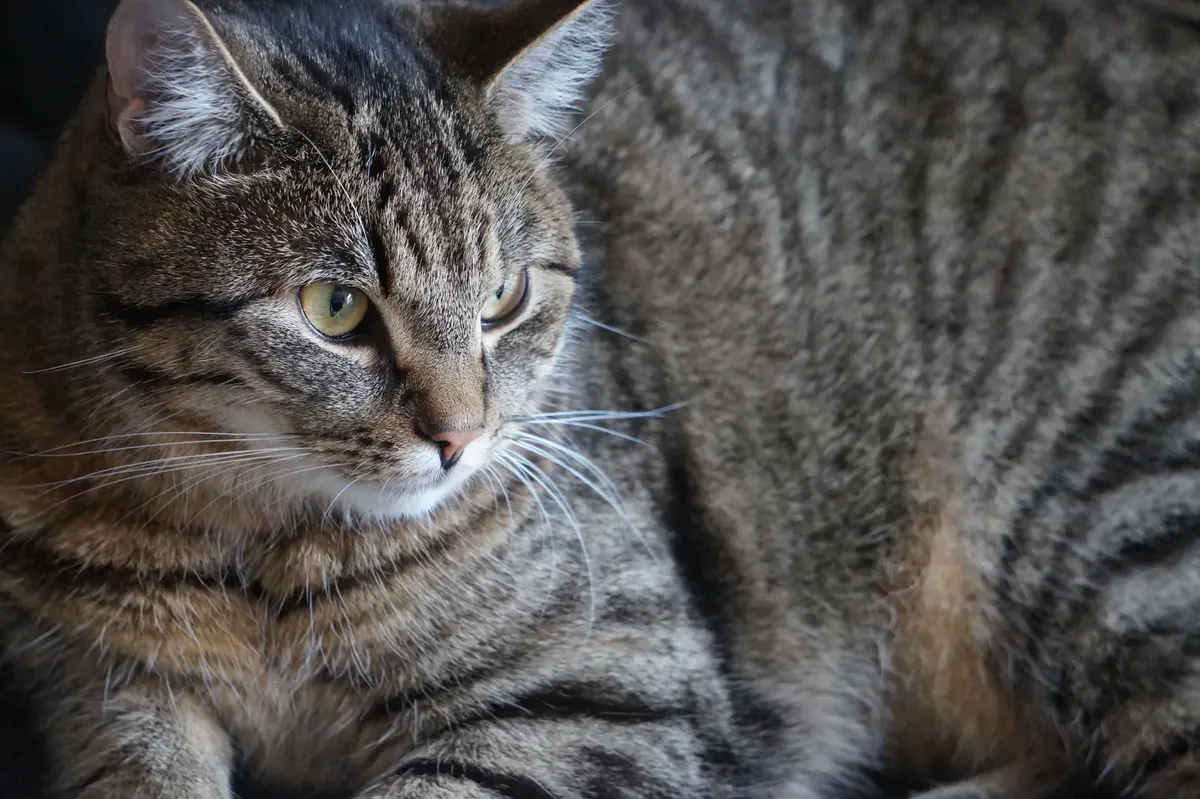
A breeder notes that not every lineage will reach full standardization regardless of the effort invested. The primary limitation is that experimental status does not guarantee long-term stability or universal acceptance across all feline organizations.
The development of the California Sprangled remains a specialized endeavor within the context of specific registry rules. While it holds status with the ACA and TICA, it remains an experimental breed.
In this sequence, the second step is the most extensive.
Wikipedia: California
Related
- Purebred vs mixed cat traits: Why most cats are mixed
- How Because 61% can we manage growing stray cat populations?
How does experimental status differ from full standardization?
The experimental status indicates that the breed is still under observational review by associations, whereas full standardization signifies that the breed’s intended traits have been consistently proven across multiple generations.
This condition means that while breeders can document the consistency of physical characteristics now, the breed must continue to demonstrate stability before achieving complete recognition. The process requires ongoing scrutiny to ensure the breed’s identity remains robust and reliable.
The pursuit of a distinct feline silhouette requires careful management
The pursuit of a distinct feline silhouette necessitates rigorous genetic tracking to prevent the dilution of desired characteristics. Breeders must maintain consistency in physical traits across different generations of the breeding program to uphold the breed's unique appeal.
This careful management is a caution against allowing common domestic varieties to influence the lineage. The goal of maintaining a distinct appearance guides the entire breeding process, ensuring the breed remains identifiable as it moves through the trial stages.
The careful selection process ensures that the specific genes contributing to the desired look are reliably passed down. This dedicated effort is crucial for the successful development of the breed.
Understanding the role of pedigree documentation
Tracing the specific ancestry of a single kitten via a pedigree chart is a fundamental procedure. This documentation allows breeders to track how specific genes contribute to the overall look and temperament of the animal.
The pedigree chart serves as a record of the lineage, which is vital for maintaining the intended traits of an experimental breed. By carefully reviewing the registry details, breeders can observe how these records dictate the competitive path for the cats.
This systematic documentation provides the necessary framework for the breed's development within structured registries.
Wikipedia: Cyprus cat
FAQ
How does the California Sprangled maintain experimental status?
What is the history of breed development in trial programs?
Related posts
Purebred vs mixed cat traits: Why most cats are mixed
How Because 61% can we manage growing stray cat populations?
Vertical Cat Design: 3 Tips for a Stable Feline Territory




Comments 0