How Because 61% can we manage growing stray cat populations?
"The presence of community cats in urban environments requires a delicate balance between technological intervention and compassionate management."
Effective management of large stray cat populations involves deploying smart shelters and automated feeding systems to maintain hygiene and control numbers. This guide explores how to implement smart cat house installations and automated feeding methods to support community welfare.
Key takeaways include understanding public sentiment toward coexistence, implementing Trap-Neuter-Return (TNR) methods, and utilizing automated technology to prevent health risks.
How can we manage growing stray cat populations?

In the dim light of the alley at dusk, I pull my coat tighter and scan the shadows to manage the sudden surge of movement near the bins.
A local volunteer walks through a quiet alley, checking the perimeter of a newly installed shelter. Managing a growing population requires moving from reactive feeding to proactive, technology-driven solutions that stabilize the environment.
Effective management focuses on coexistence and population control rather than removal. According to a study, 63% of participants were willing to coexist with community cats, while 71% opposed trap-and-kill methods.
This indicates that community-based solutions, such as smart housing, are more socially acceptable than traditional removal.
A resident observes the cats gathering around a designated feeding station in the late afternoon. Instead of scattered food, centralized smart stations prevent mess and control access. This approach addresses the needs of the cats while minimizing the impact on the human environment.
- Identify high-density areas.
- Implement trap-neuter-return programs.
- Establish community monitoring systems.
What are the benefits of a smart cat house? Smart cat house for strays

As the cold wind bites my skin, I reach out to touch the smooth surface of the new shelter, realizing how easily we can manage the cats' comfort in this backyard.
A technician adjusts the weatherproofing on a durable, insulated outdoor shelter. A smart cat house serves as a controlled environment that provides safety from the elements and protection from external threats.
The primary benefit is the creation of a secure, hygienic habitat that can be monitored. These structures provide thermal regulation and a sense of security, which reduces stress in community cats.
By using durable materials, these houses can withstand various weather conditions, ensuring long-term use.
I once saw a group of volunteers setting up a heavy-duty shelter to replace a cardboard box. These structures are designed to be much more resilient than makeshift shelters, providing a stable home for the cats.
In this sequence, the second step is the most extensive.
How do we implement automated feeding?
An automated feeder sits quietly on a concrete pad, dispensing precisely measured portions of kibble. Automated feeding systems allow for consistent nutrition without the need for constant human presence.
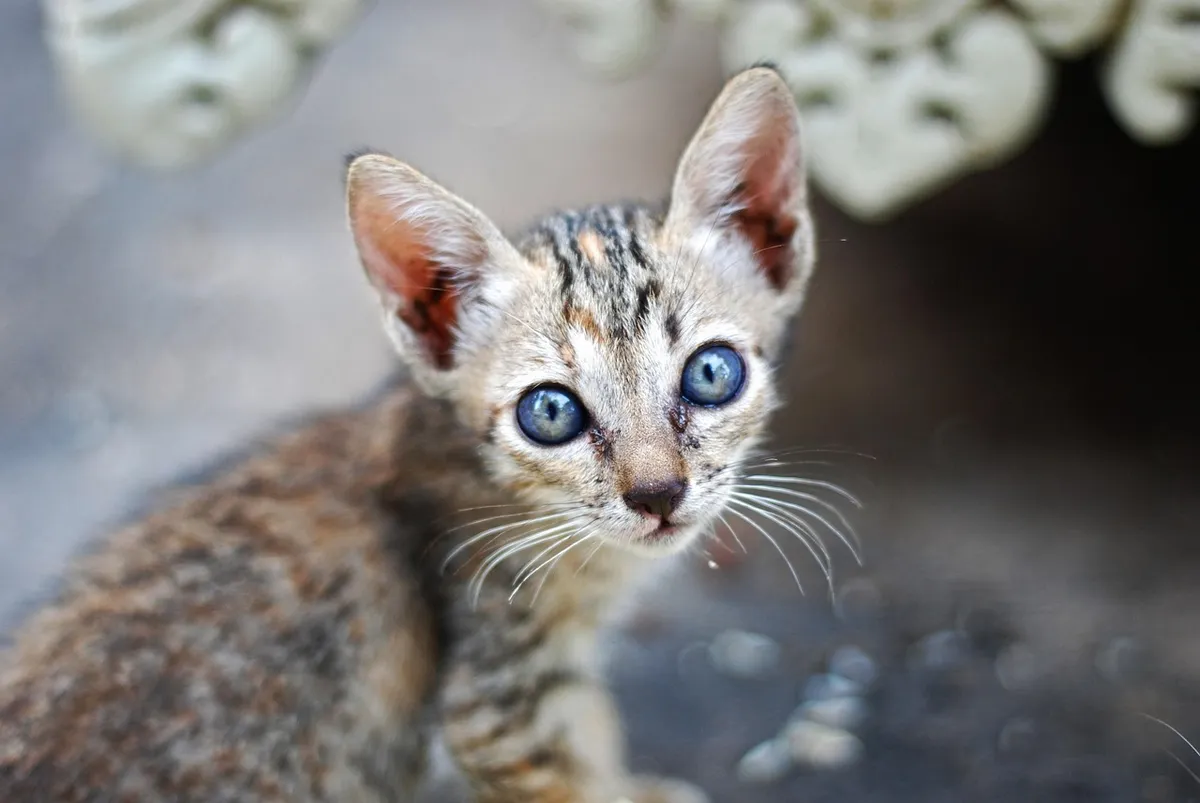
To set up an effective automated feeding system, follow these steps:
- Select a weather-resistant, heavy-duty feeder that can hold large quantities of dry food. 2. Program the dispensing schedule to match the natural activity patterns of the local cat population. 3. Place the feeder in a secure, elevated location to prevent pests and heavy rain from entering the food hopper.
After setting the timer, perform a final check to ensure the dispensing mechanism is clear of obstructions. This ensures that the food is released reliably at the scheduled times.
What are the limitations of current technology?
A researcher reviews data on a tablet while standing next to a high-tech feeding unit. While technology improves the lives of community cats, it is not a substitute for human oversight and biological management.
One limitation is that automated systems do not solve the underlying issue of population growth. While feeders provide food, they do not prevent reproduction. Therefore, technology must be paired with management strategies like TNR to be truly effective.
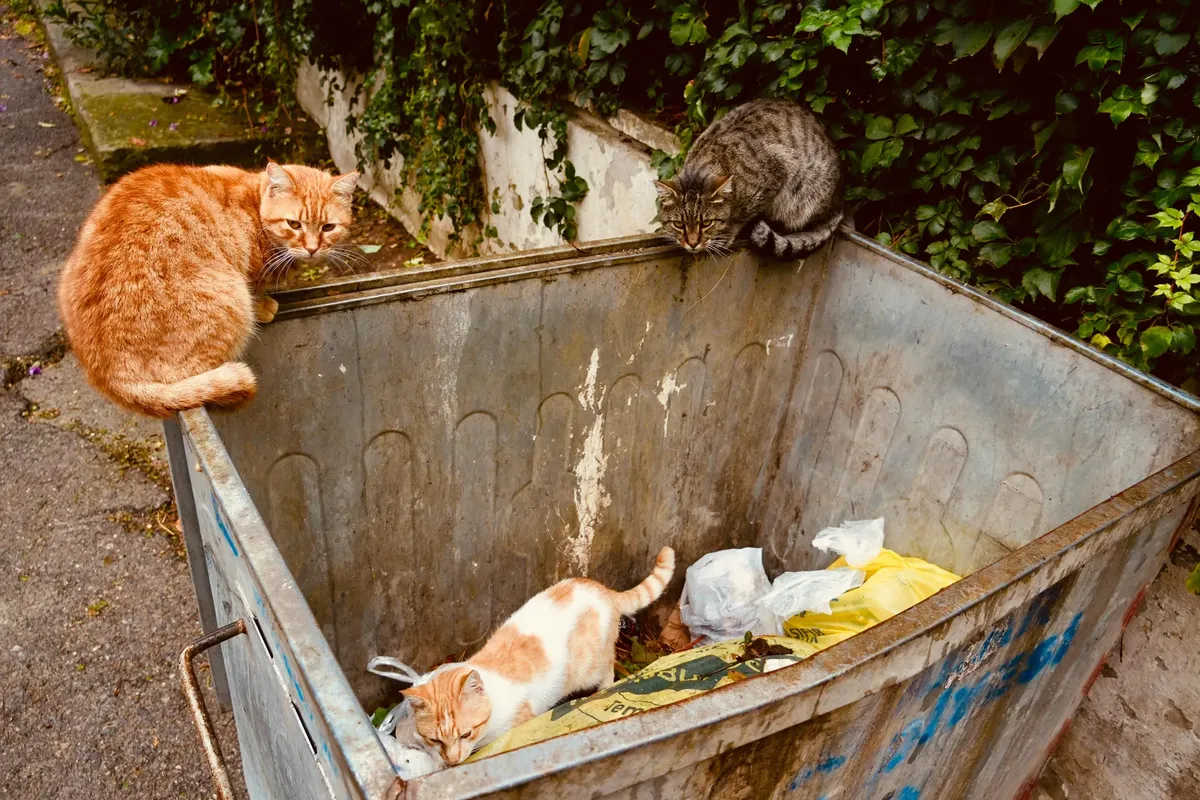
A person checks the food levels in a feeder during a cold morning. While the machines help, they cannot replace the need for regular maintenance and cleaning to prevent mold or pest infestations.
Comparing traditional vs. smart management
A community organizer compares a handwritten log with a digital dashboard. Understanding the difference between traditional methods and smart technology helps in planning better community interventions.
| Feature | Traditional Feeding | Smart/Automated Feeding |
|---|---|---|
| Consistency | Variable based on human schedule | Highly consistent via programming |
| Hygiene Control | Difficult to manage mess | Centralized and easier to clean |
The shift toward automated systems allows for more predictable management of the environment.
How does public sentiment affect management?
A neighborhood meeting is held in a community center to discuss local feline welfare. Public opinion plays a crucial role in whether management programs succeed or face local opposition.
Community support is a pillar of successful cat management. Since a large portion of the population is willing to live alongside community cats, programs that focus on welfare and TNR are more likely to gain traction.

A resident expresses support for the cats during a local discussion. Because 61% of people agreed or strongly agreed with the use of the TNR method and its variations, community-led technology projects have a strong foundation for success.
The subject here is Smart cat house for strays.
The same subject is also called Automatic feeding for cats.
The same subject is also called Managing stray cat population.
The same subject is also called Smart shelter for felines.
The same subject is also called Cat welfare technology.
This part also covers China stray cat control methods.
This part also covers Automated feeding station design.
This part also covers Improving cat housing with tech.
China stray cat control methods
Related
FAQ
Should I use trap-and-kill methods for population control?
Is the TNR method widely accepted?
Related posts

Vertical Cat Design: 3 Tips for a Stable Feline Territory

Safety Guide: Ensuring Your Cat's Home is Sturdy and Secure

Cat Home Setup: Essential Guide for Cats Living With You





Comments 0