Cat adjustment after moving: Managing environment change
Moving to a new residence often triggers significant stress for a feline companion due to the loss of familiar scents and territorial stability. To ensure a smooth transition, owners should focus on creating a secure base, maintaining consistent routines, and allowing the cat to explore at their own pace. Key takeaways include setting up a single safe room, keeping familiar items close, and observing behavioral changes during the initial settling period.
How to manage cat adjustment after moving?
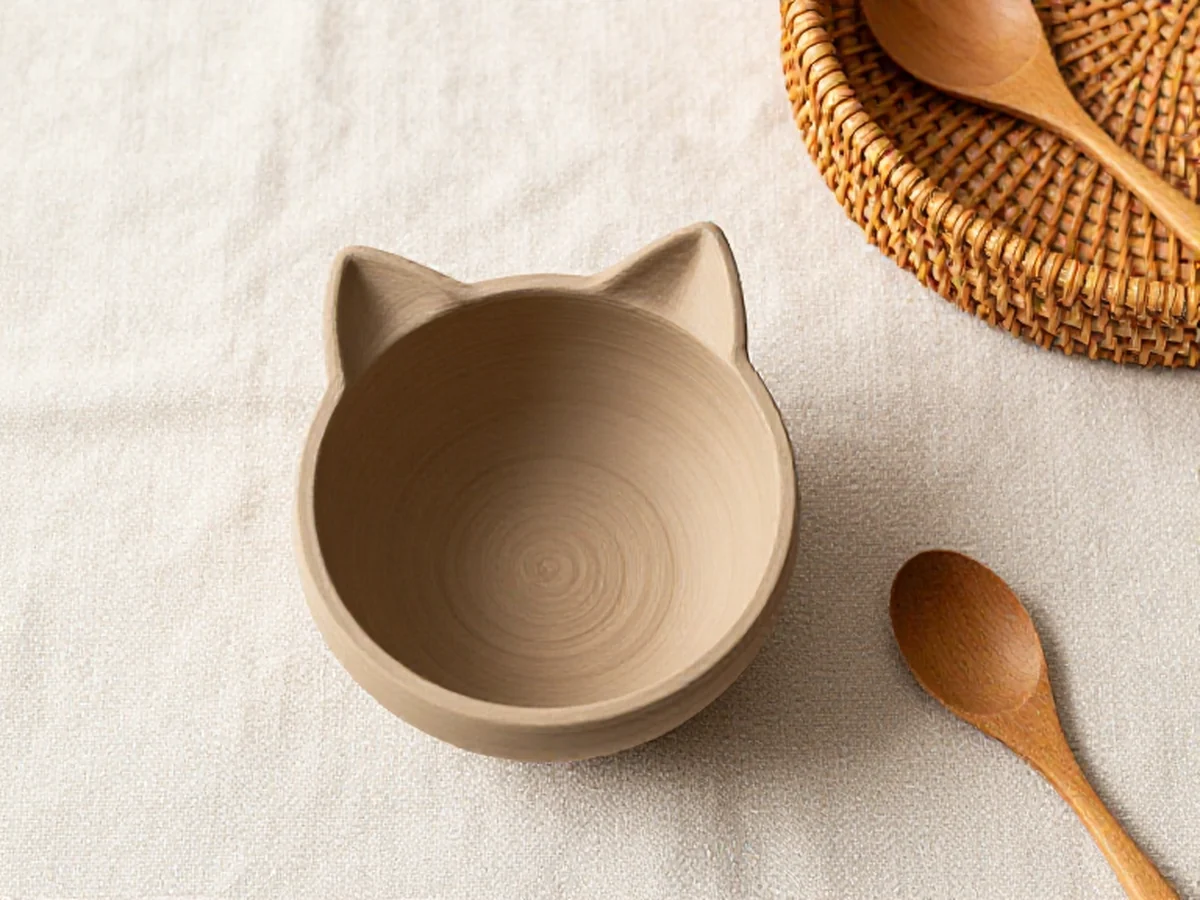
A quiet room with a closed door serves as the primary sanctuary during the transition. I remember setting up a small corner with a bed and water first to prevent the cat from feeling overwhelmed by the entire house.
The goal of a single-room setup is to limit the sensory input while the cat acclimates to new sounds and smells. By narrowing the environment, the feline can map out the territory without feeling exposed in vast, empty spaces.
Feline environment change is best managed through gradual exposure to new rooms. Once the cat feels confident in their base room, you can slowly open doors to larger areas.
Maintaining a stable routine is another vital component of cat adapting to new place. Feeding times, play sessions, and grooming schedules should remain identical to the previous home to provide a sense of normalcy.
Using familiar objects like unwashed bedding or scratching posts helps bridge the gap between the old and new locations. These items carry the scents that provide the animal with a sense of security.
Effective tips for cat moving stress involve observing the animal's body language rather than forcing interaction. If a cat hides, it is often better to let them remain in their chosen spot until they feel ready to emerge.
- Set up a single quiet room with all necessary supplies.
- Allow the cat to explore the space at their own pace.
- Maintain a consistent feeding and play schedule.
Essential steps for a successful transition
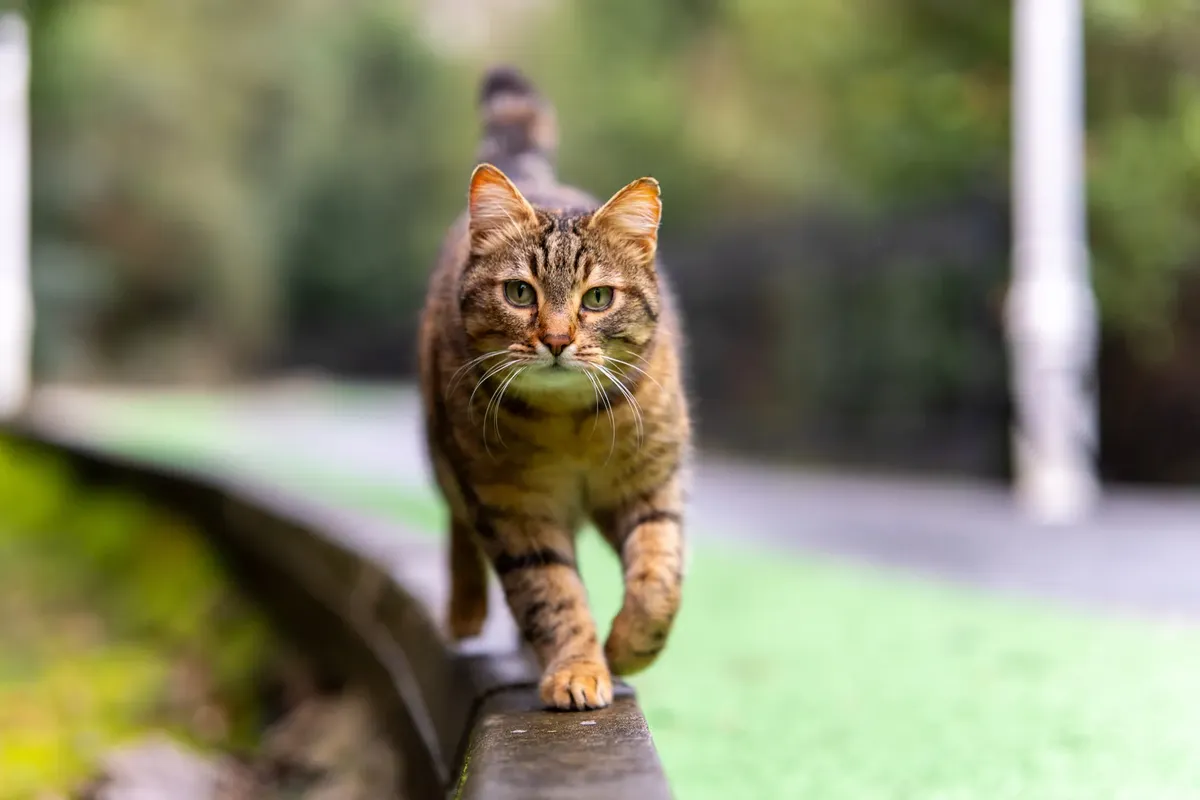
Setting up the environment requires a structured approach to prevent chaos. When the moving truck arrives, the focus should remain on the cat's immediate comfort rather than unpacking the entire house.
- Designate a quiet room as a temporary home to limit the initial territory size. 2. Place familiarly scented items, such as bedding or toys, in the designated space. 3. Set up food, water, and litter boxes in accessible but quiet corners of the room.
After these steps are completed, perform a final check of the room to ensure there are no dangerous gaps or hiding spots that could lead to the cat getting stuck.
I once watched a cat spend three days under a single chair after arriving at a new apartment, which showed me how much they prioritize hiding when overwhelmed.
In this sequence, the second step is the most critical.
Common mistakes in the new environment
A common error is allowing the cat to roam the entire house immediately after arrival. This can lead to the animal feeling lost or even becoming trapped in a room they cannot exit.
Another mistake is changing the brand of food or litter during the move. Sudden changes in diet or texture can cause digestive upset or litter box avoidance during an already stressful time.
| Mistake | Potential Consequence |
|---|---|
| Immediate full-house access | Heightened anxiety and disorientation |
| Changing food/litter brands | Digestive issues or litter box avoidance |
How to handle behavior after relocation?
Observing the cat during the first week is essential for understanding their adjustment level. For example, if a cat remains hidden, they may need more time before expanding their territory.
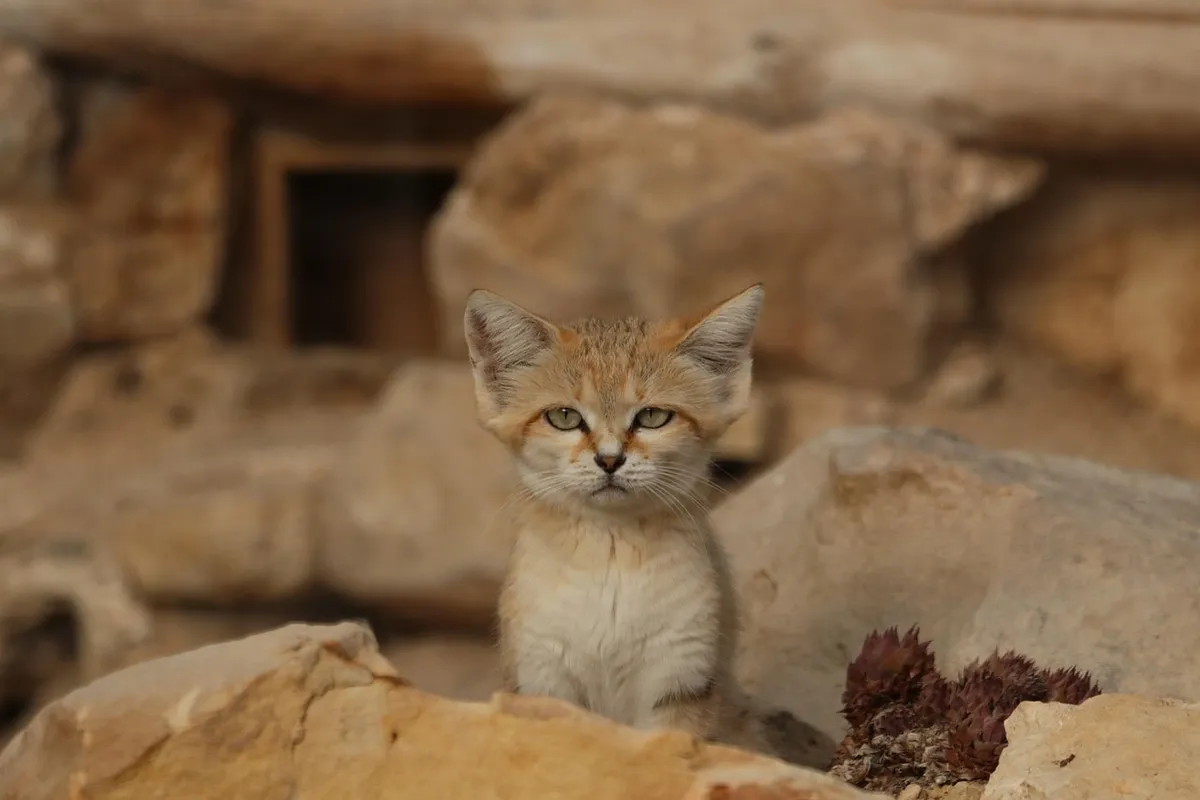
Helping cat adjust to new home involves patience and minimal interference with their natural exploration. If they choose to hide, let them do so, provided they have access to food and water.
The primary limitation of these methods is that they rely on the cat's individual temperament, as some animals may take much longer to feel secure than others.
The subject here is Cat adjustment after moving.
The same subject is also called Moving cat settling in.
The same subject is also called New home cat routine.
This part also covers Cat behavior after relocation.
Related
- Cat comfort environment design: How to create cat zones best
- Cat toy selection scent: Guide to spark cat interest
When Should I Start Gradual Exposure?
Gradual exposure to new areas should commence only after the cat demonstrates comfort within the designated safe room. This progression allows the feline to build confidence before facing the expanse of the new residence. The initial period within the single room is crucial for establishing a secure base.
This slow introduction of larger spaces prevents the cat from becoming overwhelmed by the sheer scale of the new environment. By pacing the exploration, owners support the cat's natural process of territorial mapping.
If the cat shows signs of distress when a door is opened, it suggests the transition is too rapid for their current comfort level. In such a situation, retreating to the previous level of exposure is a necessary caution.
What if the Cat Shows Withdrawal Symptoms?
If the cat exhibits withdrawal, owners should interpret this as a need for more time within the secure area. Forcing interaction when the animal is withdrawn can exacerbate the stress associated with moving to a new residence. The priority must remain on providing safety.
Providing consistent access to familiar items within the safe room helps mitigate feelings of insecurity during this withdrawal phase. These objects serve as tangible links to the previous, stable environment.
Observing the cat's body language provides necessary guidance on how much patience is required during the settling period. A quiet observation period is often more beneficial than active intervention when the cat is hesitant about the new residence.
FAQ
How can I help with cat moving stress?
What is the best way for cat adapting to new place?
Related posts



Popular posts

Bored Cat Tips: How to Stop Destructive Behavior 2

California Sphynx Cat traits: Guide to Experimental Status
Cat adoption checklist: 5 kg Why prepare for adult cat

Comments 0