Cat Home Setup: Essential Guide for Cats Living With You
"A cat doesn't just live in your house; they inhabit a territory they've built from the ground up."
Setting up a home for a new feline friend feels like a finished task once you've bought the best scratching post and a plush bed. However, a space that works for a kitten will likely fail a senior cat, and a layout that suits one cat might spark a territorial war in a multi-cat household.
* Vertical Expansion: Focus on height and climbing paths rather than just floor space to support long-term emotional well-being. * Resource Dispersion: Avoid grouping litter boxes, food, and water in one spot to prevent territorial friction. * Life-Stage Adaptability: Your home must evolve as your cat’s physical abilities change with age.

Is a single cat tower enough to keep a cat happy?
At 8:00 PM, you stand in the living room, looking at a towering, multi-level cat tree you just assembled. You watch your cat leap from one platform to another and feel a sense of accomplishment, thinking you've provided a feline paradise.
But what happens if, a few years from now, you bring home a second cat, or what if your current cat develops arthritis and can no longer make those high leaps?
Long-term environmental design isn't about buying a single expensive item; it's about building a "system" that respects feline instinct and life stages.
| Element | Initial Setup (New Adoption) | Long-Term Setup (Stability & Senior Years) | Key Consideration |
|---|---|---|---|
| Vertical Space | Tall cat towers, scratching posts | Wall-mounted walkways, bridge systems | Needs gentle inclines for aging joints |
| Litter Boxes | Number of cats + 1 (independent) | Number of cats + 1 (dispersed locations) | Focus on cleanliness and easy access |
| Food & Water | Single feeding station | Multiple feeding and hydration points | Keep food and litter far apart |
| Hiding Spots | Cardboard boxes or basic beds | Diverse heights and varied locations | Must provide a space for total solitude |
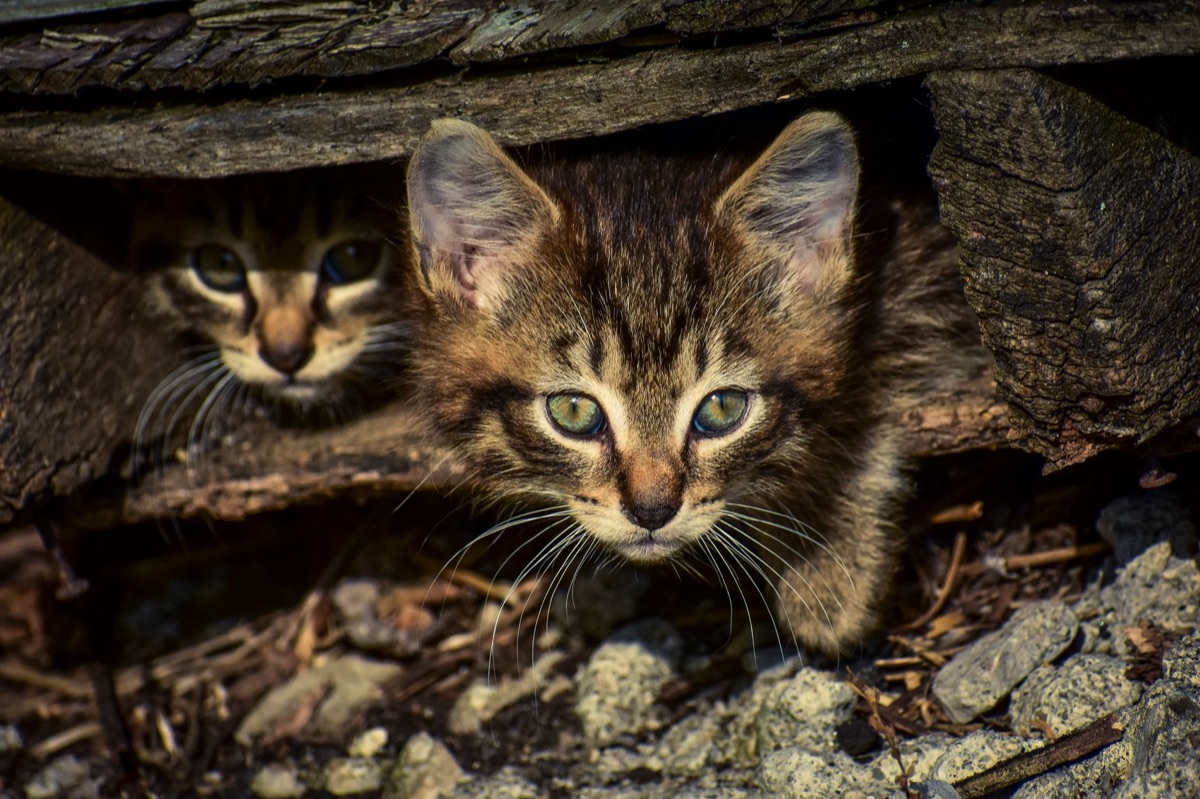
How do you build an environment that honors feline instinct?
On a bright afternoon, you watch your cat sit by a sun-drenched window, tail twitching rhythmically as they stare at a bird outside. They look perfectly content, but they are also constantly scanning their surroundings to ensure their territory is secure.
I remember a specific afternoon back in 2024 when I realized that a massive, bulky cat tree I had placed in the middle of the living room was actually making my cat feel trapped rather than safe.
To create a sustainable environment, you must follow these fundamental principles:
- Three-Dimensional Territory
- Cats find security in height. Rather than just placing a tall tower in a corner, aim to create a "vertical highway." Use wall-mounted shelves, cat walks, and window perches so a cat can travel across a room without ever having to touch the floor.
- The Principle of Resource Dispersion
- The most common mistake is "clustering." Placing a litter box right next to a food bowl, or a water bowl right next to a food bowl, creates a high-stress environment. Cats instinctively prefer a separation between where they eat, where they sleep, and where they eliminate. Distribute these resources throughout different zones of the house.
- Built-in Versatility for Life Stages
- A cat's physical prowess is not permanent. A kitten will sprint and leap, but a senior cat will eventually struggle with joint mobility. Your environment should be modular. Instead of a permanent, unchangeable tower, choose furniture that allows you to add ramps or low-profile steps as your cat ages.
"Why are they sleeping in that corner?" Common setup mistakes
Late at night, you find your cat curled into a tight, uncomfortable-looking ball in a narrow gap between the wall and a heavy bookshelf. You look at the expensive, orthopedic cat bed you bought and wonder why they chose a dusty corner over luxury.
The most frequent mistake beginners make is overlooking a cat's "psychological safe distance."
* Overly Open Spaces: Cats want to be able to observe their surroundings while remaining hidden. If a cat's only "high ground" is in the middle of a wide-open living room, they may feel exposed and vulnerable to "predators" (or even a vacuum cleaner). * Prioritizing Cleaning over Comfort: If you only place furniture where it's easy to vacuum, you might be cutting off a cat's natural movement paths or ignoring a corner they naturally find soothing. * Resource Scarcity in Multi-Cat Homes: In a house with multiple cats, if one cat can "block" access to a resource, it becomes a point of conflict. If there is only one way to reach a high perch, a dominant cat can effectively imprison a submissive one.
Adapaging the environment to changing situations
On a rainy afternoon, you watch your cat nap peacefully while watching the raindrops hit the glass. However, you notice that when guests arrive or when you move a piece of furniture, your cat's behavior shifts from relaxed to hyper-vigilant.
How should you adjust the environment based on changing circumstances?
* Introducing a New Cat: During the initial integration phase, it is vital to provide separate territories. Create multiple vertical paths so that if one cat is "guarding" a hallway, another cat has a way to bypass them without a face-to-face confrontation. * Caring for a Senior Cat: For cats with declining mobility, swap high-jump towers for low-profile "cat steps" or gentle ramps. If a litter box has a high entry wall, switch to a low-entry model to accommodate easier access. * Moving or Renovating: Sudden environmental shifts cause extreme stress. When moving to a new home, set up their familiar items—bedding, scratching posts—first to allow their scent to establish a sense of ownership in the new space.
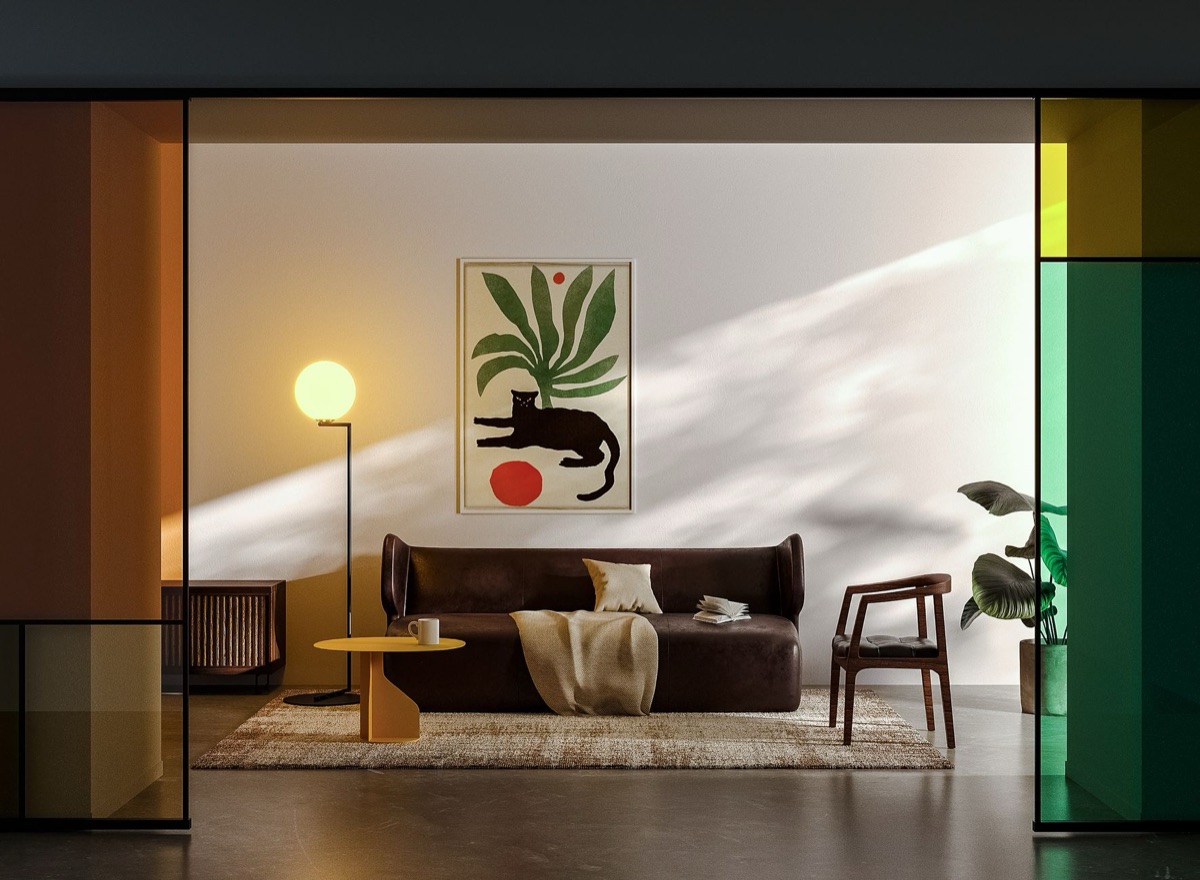
Why do cats demand these specific environments?
In the middle of the night, a sudden "zoomie" session sends your cat racing across the hardwood floors. You're exhausted, but your cat seems possessed by a sudden burst of energy.
These behaviors and the environmental needs they trigger are rooted in biological necessity.
Cats are both predators and prey. Because of this dual nature, securing a vantage point is a survival tactic. High places allow them to survey the "landscape" and stay out of reach of potential threats.
Vertical spaces also allow them to deposit scent, marking the area as a safe, controlled territory.
Furthermore, cats are territorial animals. They can only truly relax when they feel they have total control over their resources—water, food, and waste. The goal of a well-designed home is to hand that sense of control back to the cat.
Final checklist for long-term environmental success
Before you make a big purchase or during a seasonal home audit, run through this list:
- [ ] Vertical Path Check: Can a cat move between major areas of the house without being forced to stay on the floor? 2. [ ] Hiding Spot Audit: Is there a space where a cat can be completely out of sight from human eyes? 3. [ ] Resource Separation: Are the litter boxes sufficiently far from food and water? 4. [ ] Accessibility Check: Can a cat of any age (kitten to senior) physically reach all their favorite spots? 5. [ ] Visual Vantage Points: Are there elevated spots or window perches for observing the "outside world"?
FAQ
If I have a large cat tower, do I still need other furniture?
My cat stopped eating after we moved. What should I do?
In a multi-cat house, is it mandatory to have so many litter boxes?
What is the most important thing when transitioning a senior cat to a new environment?
My cat hides in corners all day. Is my house set up wrong?
Related posts

Senior Cat Care: Essential Guide for Cats Aged 7+ Years

Cat Hunting Instincts: 4 Steps to a Calmer Feline Friend

Cat Body Language: 5 Key Signals to Understand Your Pet

Cat Grooming Guide: 4 Essential Brush Types for Every Coat
Popular posts
Cat Adoption Guide: 5 Essential Categories for New Owners
Cat Body Language: 5 Key Signals to Understand Your Pet
Cat Food Guide: 4 Ways to Improve Your Pet's Hydration
Comments 0