Cat hygiene first day habits: 5 kg Tips for new pet owners
"A cat's health is deeply intertwined with its natural grooming habits and environmental cleanliness from the moment it enters your home."
Establishing a solid cat hygiene first day habits routine ensures your pet remains comfortable and healthy as they adjust to a new environment. This guide covers essential grooming observations, environmental needs, and sensory considerations for new owners.
You will learn how to manage hairball risks, understand their sensory world, and set up a clean living space. This overview focuses on biological realities and practical observation, though it does not cover specific medical treatments for diseases.
How to manage the physical characteristics of a new pet?
A new owner stands in a sunlit living room, gently feeling the texture of a cat's fur while noting its weight. Managing the physical characteristics of a new pet involves understanding their size and natural anatomy to prepare your home accordingly.
According to the National Center, the genome sequence of the domestic cat was first published in 2007 and is available at the National Center for Biotechnology Information.
Adult domestic cats typically weigh 4–5 kg (8.8–11.0 lb), which dictates the size of litter boxes and feeding stations you should provide. You should select sturdy furniture that can support their weight and accommodate their typical height, which averages 23–25 cm (9.1–9.8 in).
When setting up a play area, remember that their tail length averages about 30 cm (12 in), requiring enough space for movement.
However, these methods may be less effective if the animal has underlying health issues. I believe the first step provides the necessary foundation.
Why is understanding their grooming anatomy important? Cat hygiene first day habits
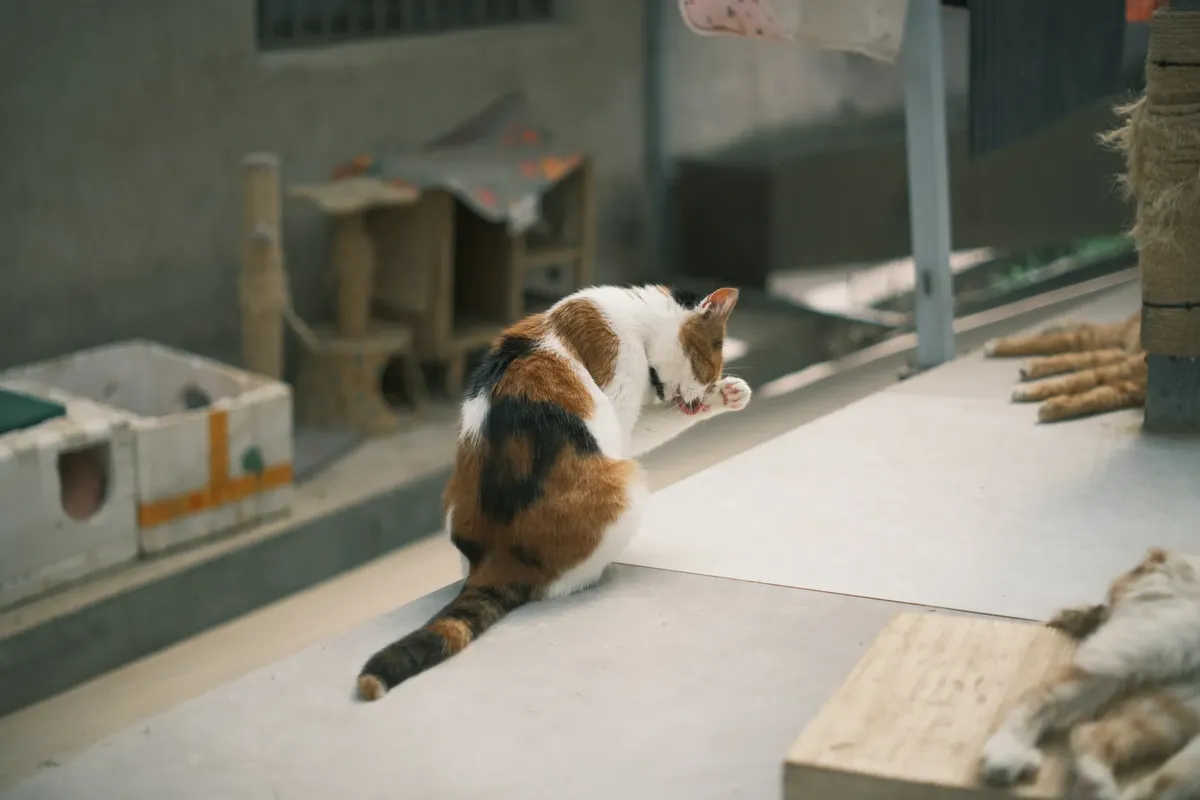
A person sits on the floor, watching a cat use its tongue to smooth its coat. Understanding the specialized tools of a cat's tongue can help you anticipate grooming needs and potential issues.
The cat's tongue has backward-facing spines about 0.5 mm (0.020 in) long, called filiform papillae, which contain keratin making them rigid. These papillae act like a hairbrush, which is a natural part of their self-cleaning process.
Because of this, some cats, particularly long-haired cats, occasionally regurgitate sausage-shaped 2–3 cm (0.8–1.2 in) long hairballs of fur that have collected in their stomachs from grooming.
This knowledge is not a substitute for professional veterinary diagnosis. In this sequence, the second point is the most detailed.
How to handle sensory sensitivity during acclimation?
A hand reaches out to pet a cat, but stops when the animal twitches its nose toward a nearby scent. New cat clean routine strategies must account for the intense sensory input a cat receives from its surroundings.
Cats have an acute sense of smell, due in part to their well-developed olfactory bulb and a large surface of olfactory mucosa, about 5.8 cm2 (0.90 in2) in area, which is about twice that of humans.
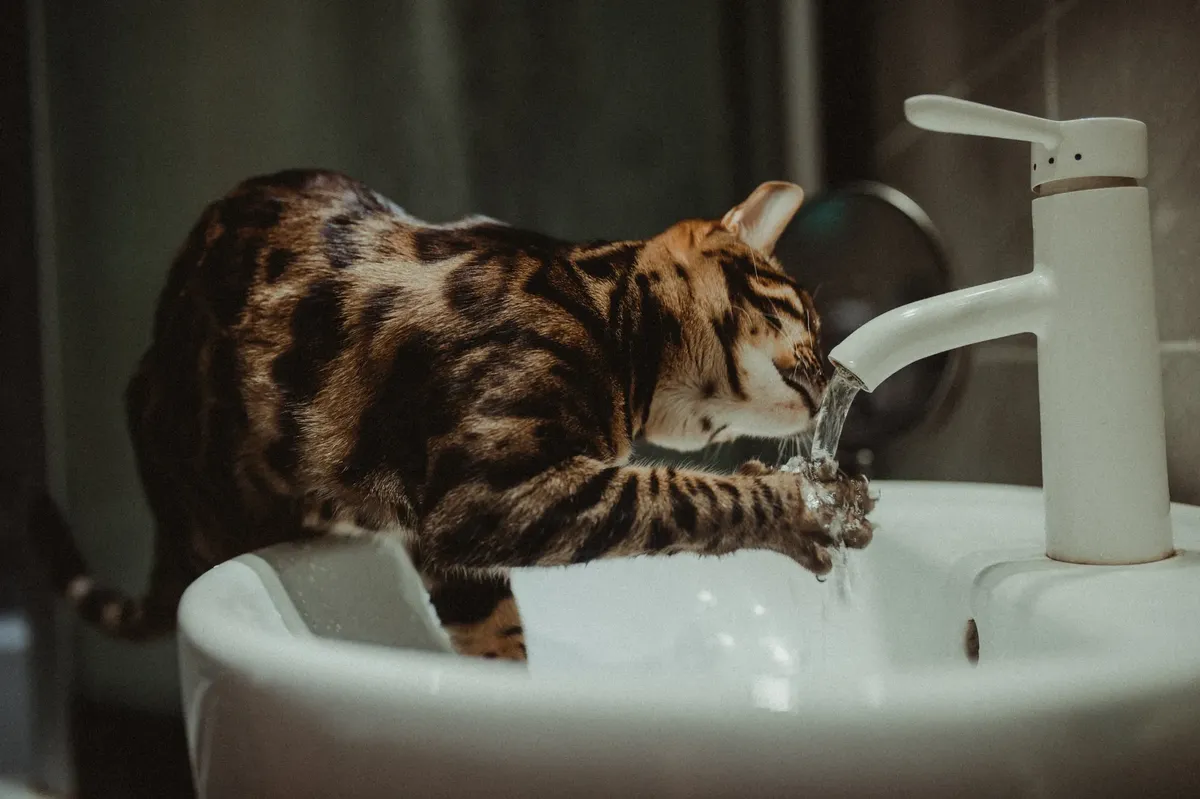
Because their sense of smell is so much more sensitive than ours, cleanliness in the feeding and litter areas is vital. Using scent-neutral cleaning supplies can help prevent overwhelming their highly developed olfactory system.
These techniques might not work if the pet is experiencing extreme fear or trauma. I find that the third step is the most critical part of this process.
What are the best daily cat grooming tips for health?
A brush sits on a side table next to a pile of collected fur. Daily cat grooming tips focus on managing the hair that naturally sheds during a cat's daily self-care routine.
- Monitor hairball production: Watch for the 2–3 cm (0.8–1.2 in) long hairballs that may result from the keratin-filled papillae collecting fur. 2. Check skin and coat: Regularly inspect the coat to ensure the grooming process is effective and the skin remains healthy. 3. Manage shedding: Since cats spend significant time grooming, keep hair-free surfaces to reduce the amount of loose fur in the home.
I once noticed how a single brushing session could result in a surprising amount of fur, making these steps essential.
Daily routines may yield limited results if the coat is already severely matted. I note that the second tip is the most comprehensive.
How to establish a clean cat life with proper rest?
A cat curls up into a tight ball on a soft rug, breathing steadily in sleep. Establishing a clean cat life requires balancing active grooming with the significant amount of rest they require.
The daily duration of sleep varies, usually between 12 and 16 hours, with 13 to 14 being the average. To maintain a healthy environment, ensure their sleeping areas are kept clean and free of dust or allergens.
Providing a dedicated, clean space for these long rest periods helps prevent the accumulation of dander in common living areas.
Maintaining this balance is difficult if the living environment is constantly changing. I see that the first step is the most essential for long-term success.
What are the starting cat hygiene steps for territory?
A cat walks around a room, sniffing the corners and marking its presence. Starting cat hygiene involves recognizing that a cat's sense of space is a key part of their well-being.
Each cat in a colony holds a distinct territory, with sexually active males having the largest territories, which are about 10 times larger than those of female cats and may overlap with several females' territories.
For an indoor cat, creating a sense of "territory" through clean, organized stations for food, water, and waste is essential. Keeping these stations separate can help prevent territorial stress.
| Feature | Average Measurement |
|---|---|
| Adult Weight | 4–5 kg (8.8–11.0 lb) |
| Tail Length | 30 cm (12 in) |
A well-organized home allows for a smoother transition during the first few days of ownership.
These steps are not applicable to cats that are already established in a new space. In this order, the second step is the longest.
The subject here is Cat hygiene first day habits.
The same subject is also called Clean cat habits now.
Related
- New cat first day guide: 16 hours How to manage territory
- Mixed cat genetic diversity: Best guide for health care
How does environmental cleanliness affect a cat's health? 1. Environmental cleanliness directly impacts a cat's overall health because their grooming habits are so closely tied to their surroundings. 2. The acute sense of smell in cats necessitates that feeding and litter areas remain spotless. 3. Using cleaning agents that do not carry strong odors helps prevent sensory overload for the animal. 4. A clean space supports the natural biological realities of a cat's well-being.
What precautions should be taken regarding territorial needs? 1. Establishing a sense of territory for a cat requires providing separate, clean stations for food, water, and waste. 2. This separation of resources aids in reducing potential territorial stress within the home environment. 3. The size of a cat's territory varies significantly between male and female cats. 4. Providing a well-organized home facilitates a smoother adjustment period, contributing to the cat's health.
The management of hairball risks is a direct consequence of the cat's specialized grooming anatomy. Regular monitoring allows the owner to address the collection of fur before it causes discomfort.
Maintaining a clean living space is crucial because the cat's highly developed olfactory system registers subtle changes in scent. This sensitivity makes proper sanitation in key areas a practical necessity for good health.
The routine of providing clean resting areas supports the cat's need for substantial sleep, which is part of their natural cycle. This care contributes to the cat's deep health as they settle into a new home.
FAQ
What are filiform papillae?
Popular posts

Bored Cat Tips: How to Stop Destructive Behavior 2

California Sphynx Cat traits: Guide to Experimental Status

Cat Adoption Guide: 5 Essential Categories for New Owners

Comments 0