Feline foreign body allergy care: How to manage triggers
Managing feline foreign body allergy care requires understanding specific biological triggers and environmental control. This guide covers the primary allergens involved in human-cat interactions, the role of specific proteins, and how to manage exposure. Key takeaways include identifying the dominant Fel d 1 protein, understanding the airway exposure risks, and recognizing the limitations of surface cleaning.
What are the primary triggers for cat allergies?
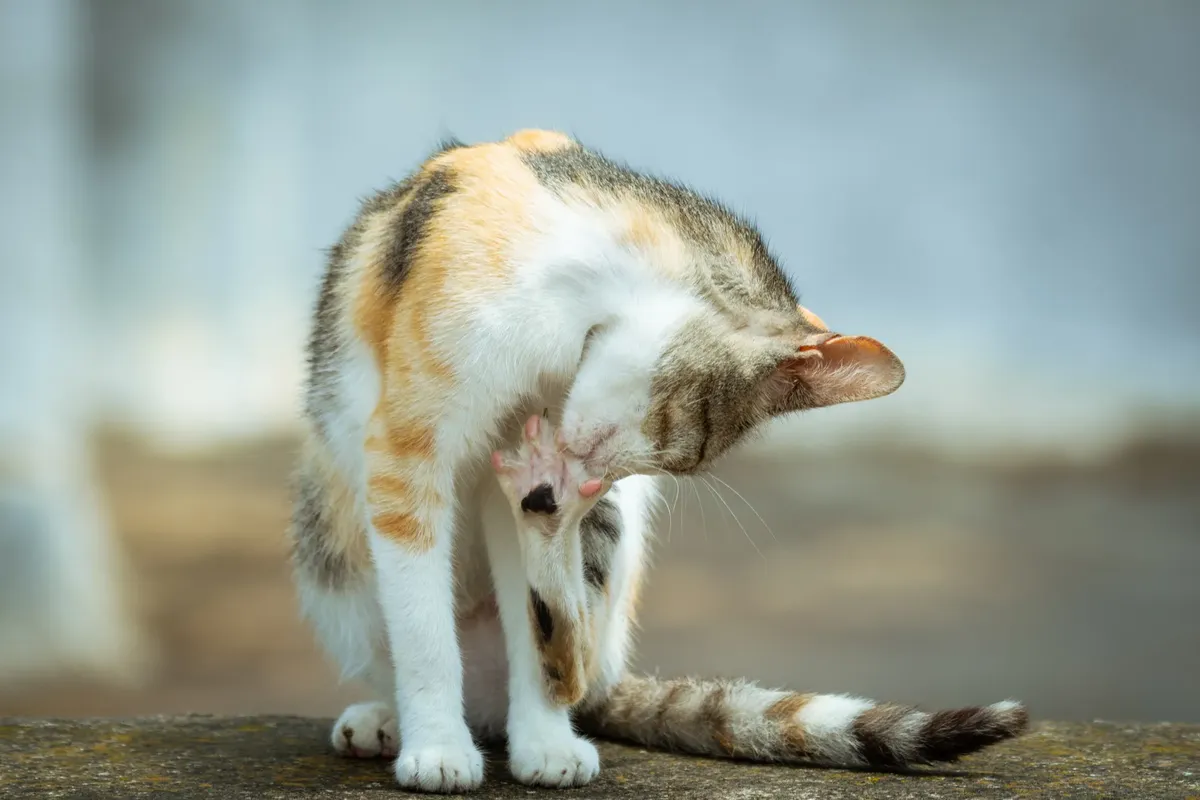
In the quiet living room at dusk, I rub my itchy eyes as the heavy scent of a feline drifts through the air.
A person sits on a sofa, inhaling the faint scent of a pet while realizing the air feels heavy with invisible particles. Understanding these triggers is the first step in managing a household with cats.
The World Health Organization/International Union of Immunological Societies (WHO/IUIS) Allergen Nomenclature Sub-Committee (ANS) has recognized eight distinct cat allergens. These substances are the biological agents that trigger immune responses in sensitive individuals.
This means that even microscopic particles can impact respiratory health when they become airborne.
| Allergen Type | Primary Impact |
|---|---|
| Fel d 1 | Most prominent protein |
| Fel d 4 | Sensitizing agent |
I once sat in a room where the air felt perfectly clear, yet the subtle presence of a pet caused immediate discomfort, highlighting how invisible these triggers can be.
Which specific protein causes the most reactions? Feline foreign body allergy care
As I brush the feline fur at noon, a cloud of dust drifts into my nose, causing a sharp sting.
A hand brushes against a cat's fur, releasing a fine dust that drifts toward a person's face. Identifying the most potent allergen helps in prioritizing cleaning and filtration strategies.
Fel d 1 is the most prominent cat allergen, accounting for 96% of human cat allergies. This specific protein is the primary culprit in most symptomatic cases.
It is also noted that Fel d 1 is the most dominant cat allergen, causing allergy in 90% of people with cat allergy. Because it is so prevalent, managing this specific protein is the cornerstone of allergy mitigation.
How does Fel d 4 contribute to sensitivity?
Someone sneezes while looking at a pet, wondering why the reaction is so sudden despite regular cleaning. Investigating secondary allergens provides a more complete picture of sensitivity.

A 2004 study found that 63% of people allergic to cats had antibodies against Fel d 4. This indicates that while Fel d 1 is the leader, other proteins are significant contributors to the immune response.
Additionally, Fel d 4 is responsible for sensitizing around 63% of individuals with cat allergies. Understanding this secondary protein helps explain why some people react even when primary triggers are minimized.
What happens to allergens after cleaning a pet?
A person scrubs a cat in a bathtub, hoping the water will wash away all traces of allergens. However, the reality of airborne particles complicates simple hygiene routines.
The process of cleaning a pet does not immediately clear the environment of all triggers. Even after a thorough wash, the air remains a factor in allergen management.
In addition, amounts of Fel d 1 in the surrounding air return 24 hours after bathing the cat. This means that surface cleaning alone is not a permanent solution for managing airborne concentrations.
How can one manage these biological triggers?
A person adjusts the air purifier settings, looking for ways to maintain a cleaner breathing environment. Effective management involves a multi-step approach to reducing protein exposure.
- Focus on air filtration to address the primary route of exposure through the airway. 2. Implement regular cleaning schedules to manage the redistribution of proteins. 3. Monitor the environment closely, especially during the 24-hour window following pet hygiene.
I noticed that even after following these steps, the invisible nature of the proteins makes it difficult to feel truly certain about the air quality.
A limitation of these methods is that they cannot completely eliminate the presence of proteins, as Fel d 1 levels in the air can return within a day of washing the animal.
- What are the primary triggers for cat allergies?
- Which specific protein causes the most reactions?
- How does Fel d 4 contribute to sensitivity?
The same subject is also called Cat allergy treatment guide.
The same subject is also called Pet foreign substance rash.
The same subject is also called Managing cat skin issues.
The same subject is also called Allergy response for cats.
This part also covers When to see vet for cat allergy.
This part also covers Home care for cat irritation.
This part also covers Preventing cat allergic reactions.
When to see vet for cat allergy
Related





Comments 0