Cat Grooming Guide: 4 Essential Brush Types for Every Coat
Mastering the art of brushing is the simplest way to prevent painful matting, reduce hairballs, and strengthen the bond between you and your feline companion.
Choosing the right tool for your cat's specific coat type is the foundation of effective grooming. For short-haired cats, focus on rubber brushes or soft bristles, while long-haired breeds require metal combs and slicker brushes to manage tangles.
For heavy shedders, deshedding tools are essential for reaching the undercoat.
* Match the brush type to the coat length and texture. * Regular grooming prevents painful skin issues and reduces hairball-related health risks. * Consistency is more important than duration; short, frequent sessions are better than one long session. * Proper technique prevents skin irritation and minimizes "scratching/biting" behaviors during grooming.

How to choose the right brush for your cat's breed and coat type?
A Tuesday evening in a quiet living room in Seattle: the sun is setting, and a Maine Coon stretches across the rug, its thick coat catching the golden light. As you reach for a brush, you realize that the tool you used for your tabby last week won't work here.
Short-haired cats benefit most from silicone brushes, rubber brushes, or soft bristle brushes. These tools are designed to lift surface hair and provide a gentle massage to the skin without causing irritation. For breeds like the Siamese or Bengal, these tools help keep the coat sleek and clean.
Long-haired cats require a different approach. For these breeds, prioritize metal wide-tooth combs and slicker brushes. These tools are essential to reach through the topcoat to prevent deep matting and tangs that can pull painfully on the skin.
Double-coated breeds, such as Maine Coons, need deshedding tools. These specialized brushes are designed to reach the dense undercoat to remove dead hair before it becomes a clump. Using these tools too aggressively, however, can damage the protective topcoat.
Sensitive or senior cats often have thinner, more fragile skin. For these pets, the importance of soft-bristle brushes cannot be overstated. Using much harder tools can cause skin tugging, which leads to fear and avoidance of grooming sessions entirely.
| Coat Type | Primary Tool Needed | Primary Purpose | |
|---|---|---|---|
| Short-haired | Silicone/Rubber Brush | Surface hair removal & massage | |
| Long-haired | Slicker Brush & Metal Comb | Tangle prevention & deep grooming | |
| Double-coated | Deshedding Tool | Undercoat management | |
| Sensitive/Senior | Soft Bristle Brush | Gentle surface cleaning |
But what happens when you actually put the brush to the fur?
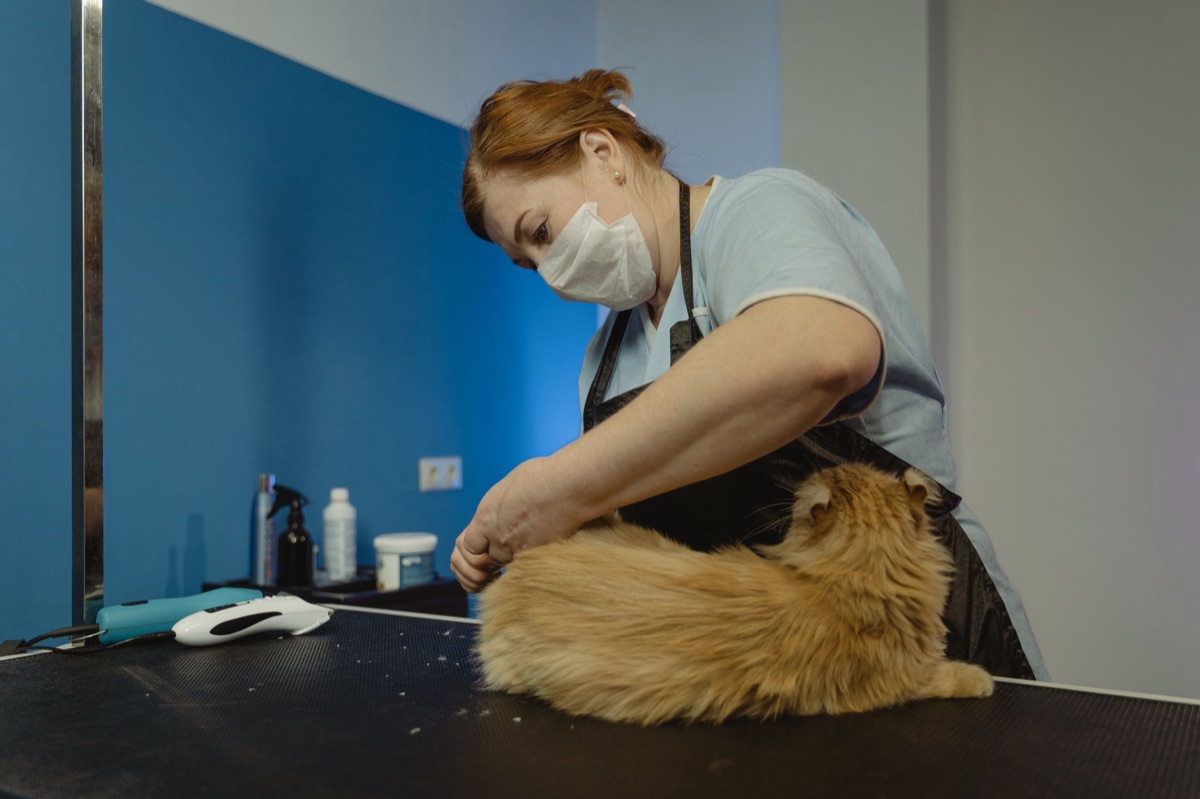
How to use different brushes without causing stress
You sit on the floor with a calm tabby, the rhythmic sound of brushing filling the room. You realize that if you push too hard, the cat's ears twitch, and the session ends abruptly.
When using a slicker brush, use light, flicking motions. Instead of pressing the metal bristles deep into the skin, use the brush to "flick" the hair away from the body. This prevents the painful sensation of the tool catching on the skin surface.
The comb technique involves using a metal comb to check for hidden mats. For long-haired cats, run the comb through the hair to identify tight spots. This also helps distribute natural oils from the skin across the length of the coat, providing a natural shine.
When using a deshedding tool, follow the protocol of careful application. These tools are designed for the undercoat, so they should not be used with heavy pressure on the topcoat. Use the tool in the direction of hair growth to pull out the loose undercoat without cutting the surface hair.
For silicone or rubber brushes, use circular motions. This method is excellent for massage and surface hair removal. It is particularly effective for short-haired cats to lift loose hair without the risk of scratching the skin.
The process of building a routine is where most owners struggle.
How to prevent matting and hairball-related issues through grooming?
A heavy pile of fur sits in the trash can after a morning grooming session. You realize that the hair you just removed is the hair that would have ended up in your cat's stomach.
The science of hairballs is straightforward: mechanical removal of loose hair reduces the amount of hair ingested during self-grooming. When a cat licks themselves, they swallow hair; by brushing daily, you remove that hair before they can eat it.
Matting prevention requires identifying "hot spots." Areas like the armpits, behind the ears, and the groin are prone to tight mats. Brushing these areas specifically—and gently—ensures that the hair remains smooth and doesn't form painful clumps.
Skin health is also a direct result of grooming. Brushing distributes sebum, the natural oil produced by the skin, across the entire coat. This creates a healthy, shiny appearance and acts as a natural barrier against environmental irritants.
However, even with the best tools, some cats will fight the process.
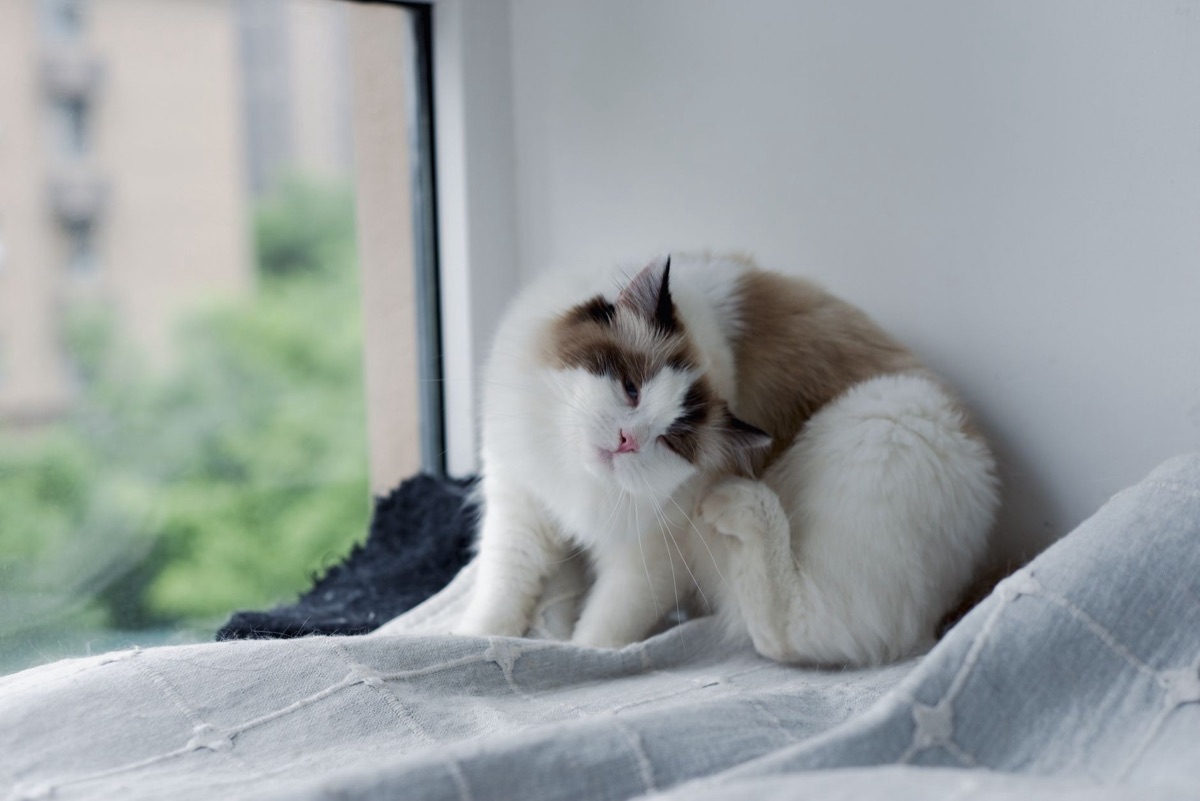
Common Mistakes: Why your cat hates brushing and how to fix it
Your cat suddenly turns and gives your hand a playful, but sharp, nip. You realize you were brushing too hard, and the session is over.
The first mistake is applying too much pressure. Applying too much force can cause bruising or lead to fear-based aggression. If the cat feels pain, they will associate the brush with pain, making future sessions much harder.
The second mistake is using the wrong tool for the job. Using a heavy-duty deshedding tool on a cat with very thin, fine hair can cause skin damage. Always match the tool to the coat density.
The third mistake is ignoring body language. If you see tail flicking, ear pinning, or dilated pupils, they are telling you they are stressed. Recognizing these signs and stopping immediately is vital for maintaining trust.
To fix these issues, use the "Positive Reinforcement" method. Use small treats and "micro-sessions" lasting only 2 to 3 minutes. This builds a grooming habit where the cat associates the brush with something wonderful.
- Start with a very short session (under 2 minutes).
- Use a high-value treat immediately after they allow the brush.
- Gradually increase the duration as they become comfortable.
- Always end the session on a positive note, even if they are still calm.
But what happens when the hair is already tangled?
Advanced Grooming: Handling mats and specialized care
You look at a small, tight knot near your cat's shoulder. You know that pulling at it will only cause a struggle, so you reach for a different tool.
When dealing with existing mats, never pull at them. Pulling a mat tightens the knot against the skin, causing intense pain. Use specialized mat-removal tools or, for very tight mats, seek professional help to avoid skin tears.
The professional workflow often follows a "Slicker to Comb" sequence. Start with the slicker brush to remove loose hair, then follow up with a metal comb to check for remaining tangles and ensure the coat is smooth.
Seasonal adjustments are necessary for consistent care. Increase brushing frequency during shedding seasons, typically in the spring and autumn, to manage the heavy influx of loose hair.
When I first started grooming my own long-haired cat in 2025, I thought a ten-minute session once a week was enough. I quickly learned that my cat preferred three minutes of brushing every single morning instead.
* Never pull: If a mat is tight, use a comb to pick at the edges rather than pulling the hair. * Professional help: If a mat is against the skin, it is often safer to have a groomer handle it. * Tool check: Regularly check your brushes for bent metal pins or broken bristles.
FAQ
고양이 털 관리에 어떤 종류의 빗을 사용해야 하나요?
털 빠짐이 많은 고양이를 위한 관리는 어떻게 해야 하나요?
고양이 그루밍 시 가장 중요한 것은 무엇인가요?
Related posts

Senior Cat Care: Essential Guide for Cats Aged 7+ Years

Cat Hunting Instincts: 4 Steps to a Calmer Feline Friend

Cat Body Language: 5 Key Signals to Understand Your Pet

Cat Adoption Guide: 5 Essential Categories for New Owners
Popular posts
Cat Adoption Guide: 5 Essential Categories for New Owners
Cat Body Language: 5 Key Signals to Understand Your Pet

Cat Food Guide: 4 Ways to Improve Your Pet's Hydration
Comments 0