Cat sleep patterns guide: 12 to 16 hours rest tips
"Cats are family members, and it makes sense for pet parents to do everything possible to ensure their companions get whatever they need to be happy and healthy."
Understanding the unique sleep requirements of a feline companion is the first step toward ensuring their long-term well-being. This guide covers typical rest durations, environmental needs, and how to manage their natural sleep cycles for a healthy lifestyle.

You will learn about average sleep hours, how to interpret rest habits, and what to avoid when setting up a sleep area.
How much sleep does a cat typically need?
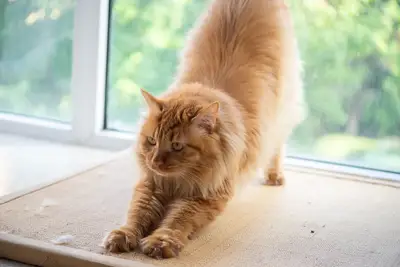
A cat stretches out on a sunlit rug, curling its tail around its body as the afternoon light shifts across the room. Most owners find themselves surprised by how frequently their pets seem to be dozing throughout the day.
The daily duration of sleep varies, usually between 12 and 16 hours, with 13 to 14 being the average. This cat sleep patterns guide helps owners understand that long periods of rest are a normal part of feline biology rather than a sign of lethargy.
Because they are natural hunters, their energy is often conserved for short, intense bursts of activity.
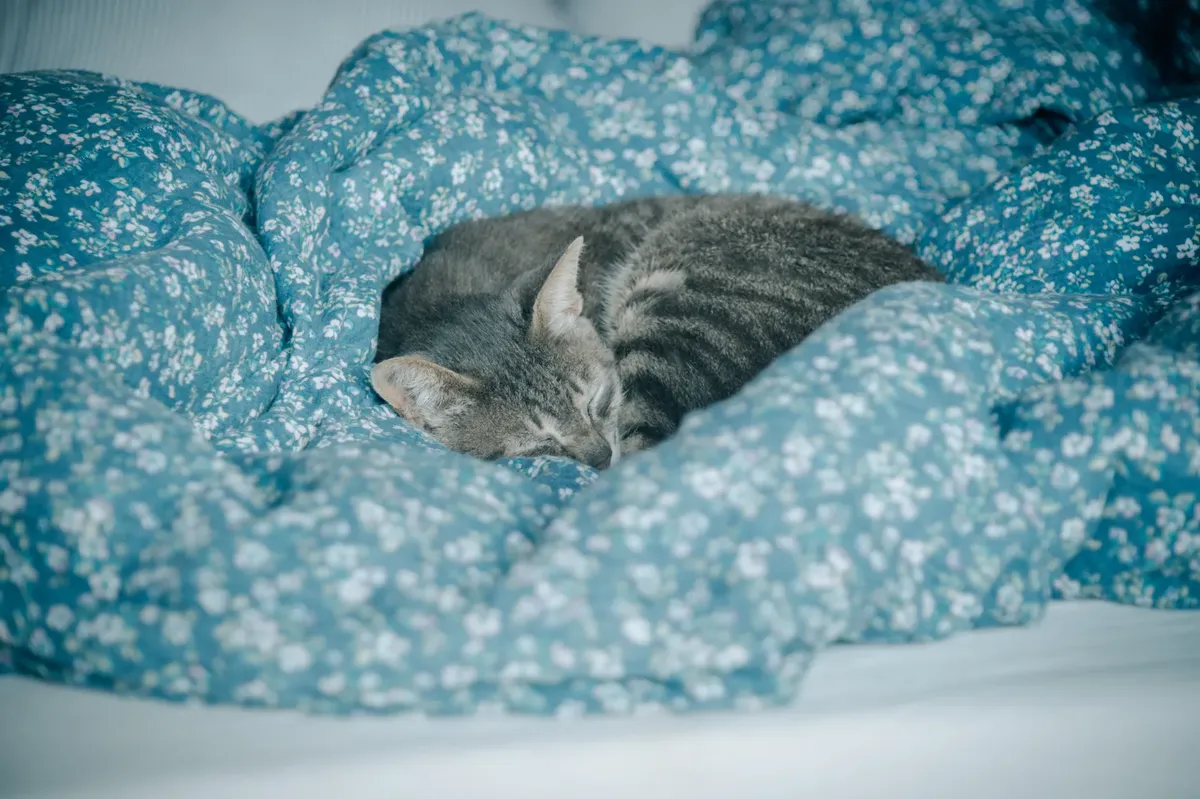
Is my cat's sleep actually healthy? Cat sleep patterns guide A cat shifts slightly in its sleep, its whiskers twitching as it enters a deeper stage of rest. Observing these subtle movements can provide insight into their comfort levels and physical state.
Understanding cat sleep involves recognizing the difference between light dozing and deep sleep. While much of their rest is light, they do enter deeper cycles to recover physically. Maintaining a consistent routine helps ensure they move through these cycles effectively.
How can I improve my cat's sleep environment?
A soft, cushioned bed sits in a quiet corner of the living room, providing a sanctuary away from the household noise. Setting up the right space is essential for minimizing disruptions to their rest.
Improving cat sleep environment involves providing a variety of textures and heights, such as elevated perches or soft blankets. Cats often prefer spots that feel secure, which might include enclosed beds or elevated surfaces.
A stable environment allows them to feel safe enough to reach deeper levels of sleep.
Could my cat have a sleep problem? A cat remains wide awake at night, pacing the hallway or meowing loudly while the rest of the house is silent. This sudden change in behavior can be confusing for pet owners used to a different rhythm.
Signs of cat sleep problems may manifest as sudden changes in sleep duration or excessive restlessness during typical rest hours. If a cat is unable to settle or shows signs of distress during sleep, it may indicate underlying issues.
Monitoring these behavioral shifts is vital for early detection of health changes.
How do I manage a daily cat health routine?
A bowl of fresh water and a clean litter box sit near the sleeping area, ready for the cat's next period of activity. Integrating health checks into the daily rhythm ensures nothing is overlooked.
According to the Review Board, cats are family members, and it makes sense for pet parents to do everything possible to ensure their companions get whatever they need to be happy and healthy.
A daily cat health routine should include monitoring appetite, grooming habits, and energy levels following sleep. Because they sleep so much, it is easy to miss subtle changes in their physical condition.
Checking for any unusualness in their post-sleep behavior helps maintain their overall vitality.
Can I use feline sleep-friendly tools for better rest?
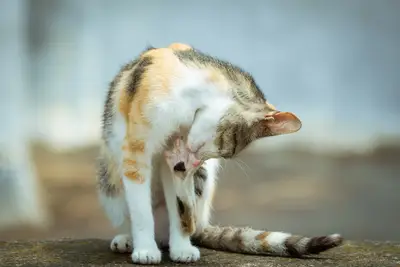
A cat brushes against a scratching post, its tongue occasionally grooming its fur during a quiet moment. Utilizing appropriate tools can help manage the physical aspects of their daily life.
Feline sleep-related care might involve managing hairball buildup, which can occur when cats groom themselves during rest. Some cats, particularly long-haired cats, occasionally regurgitate sausage-shaped 2–3 cm (0.8–1.2 in) long hairballs of fur that have collected in their stomachs from grooming.
Ensuring they have enough space to groom comfortably is part of maintaining a healthy environment.
| Aspect | Average Value |
|---|---|
| Daily Sleep Duration | 12–16 hours |
| Average Sleep Duration | 13–14 hours |

I noticed how much more relaxed my cat became once we established a dedicated, quiet corner for their afternoon naps.
A limitation of this information is that individual health needs may vary based on the specific age or breed of the cat.
- How much sleep does a cat typically need?
- What are the signs of healthy cat sleep?
- How can I improve my cat's sleep environment?
The same subject is also called Feline sleep cycle tips.
The same subject is also called Cat rest habits guide.
The same subject is also called Healthy cat sleep care.
Related
- Cat health after seven years: Guide to senior care tips
- Feline foreign body allergy care: How to manage triggers
When Should I Be Concerned About My Cats Sleep Habits? If a cat exhibits unusual nocturnal activity, such as pacing or vocalizing loudly when the household is quiet, owners should investigate the cause. Such sudden shifts in the normal rhythm of the cats can signal underlying health concerns. Monitoring these behavioral changes allows for the early detection of potential issues affecting the cats' well-being.
How Does Sleep Quality Compare Across Different Feline States? Light dozing represents a majority of a cat's rest period, offering a state of partial awareness. Conversely, deeper sleep cycles are necessary for the physical recovery of the cats. A cat's ability to transition smoothly between these states suggests a healthy physiological condition.
What Are Specific Considerations for Cats' Rest Needs? Cats, being natural hunters, conserve their energy reserves for brief, high-intensity periods of activity. This biological necessity dictates the extended periods of rest they require throughout the day. Ensuring the cats meet these needs supports their overall health as family members.
Properly setting up the sleep area for the cats minimizes external disturbances, which is a necessary condition for achieving restful sleep. Providing varied textures and heights in the environment caters to the cats' innate preferences for security during their downtime.
How does the environment affect the sleep of Cats?
The environment significantly impacts the rest of Cats because they seek out places that offer a sense of security. A stable surroundings permit them to reach the deeper stages of sleep required for recovery.
Providing different surfaces and elevations in the sleeping area addresses the innate preferences of Cats for feeling safe during their downtime.
What precautions should pet parents take regarding Cats' sleep?
Pet parents must monitor behavioral shifts to detect potential health changes early. If a Cat shows signs of distress while resting, it suggests an underlying issue that needs attention. Observing these changes allows for the prompt identification of problems affecting the Cats' well-being.
Ensuring the Cats receive adequate rest supports their overall health as family members. This commitment to their well-being involves managing their daily routines to support healthy sleep patterns.




Comments 0