Cat Food Guide: 4 Ways to Improve Your Pet's Hydration
Choosing the right food isn't just about filling a bowl; it’s about managing your cat's long-term hydration and kidney health.
Finding the perfect diet for your cat depends heavily on their age, activity level, and specific health needs. While dry kibble is convenient, current 2026 nutritional trends emphasize increasing moisture intake through wet or fresh foods to prevent chronic issues like urinary tract infections.
* Dry Food: Most budget-friendly and easy to store, but carries a high risk of dehydration due to low moisture content. * Wet Food: Contains 75–85% moisture, making it the gold standard for kidney health and hydration. * Fresh/Raw Food: Offers high nutrient density and mimics natural diets, though they require strict hygiene and balanced mineral management. * Smart Strategy: The most effective approach is often "mixed feeding," combining different textures to balance convenience with biological needs.

Why Does the Type of Cat Food Actually Matter?
Cats are obligate carnivores, meaning their bodies are biologically hardwired to thrive on high-protein diets. However, not all proteins are processed equally, and the method of preparation significantly impacts how much water your cat actually absorbs.
It isn't simply a matter of buying the most expensive brand at the pet store. The real goal is matching the food's physical form to your cat's natural physiological tendencies.
According to Euromonitor International’s 2025 global pet market analysis, the market share for wet cat food has seen a steady annual increase of approximately 7.5% over the last three years. This shift reflects a growing awareness among American pet owners regarding preventative care—specifically using diet to manage hydration and prevent renal failure.
Comparing Dry, Wet, Fresh, and Raw Food
Every feeding style has its own set of pros and cons. Use the table below to see how they stack up against each other:
| Food Type | Moisture Content | Storage Ease | Primary Benefit | Primary Drawback |
|---|---|---|---|---|
| Dry (Kibble) | < 10% | Very High | Cost-effective, dental help | Low hydration, high carbs |
| Wet (Canned/Pouch) | 75–85% | Moderate | High palatability, hydration | Higher cost, spoilage risk |
| Fresh (Cooked) | 60–70% | Low | Nutrient retention, easy digestion | Prep time and temp control |
| Raw (BARF/Prey Model) | 60–70% | Very Low | Closest to natural diet | Bacteria risk, nutrient imbalance |
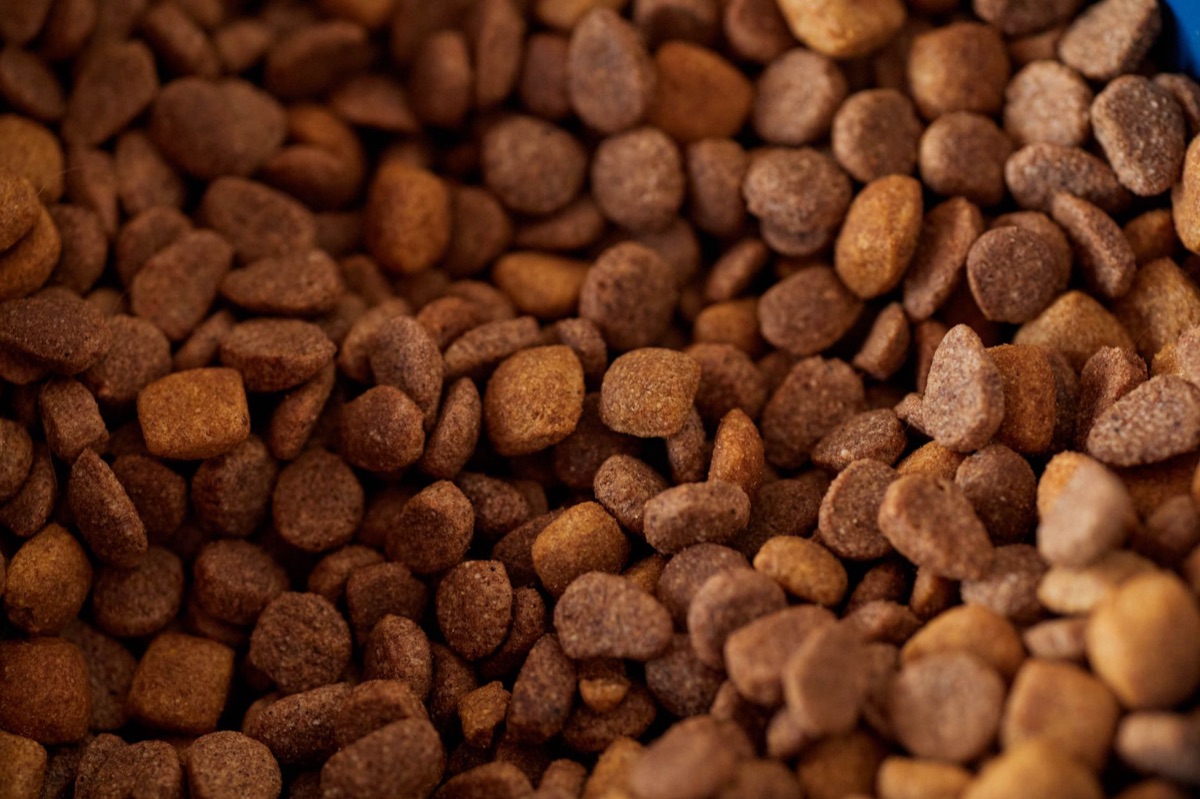
1. Dry Food (Kibble) Dry food is the most common staple in American households because of its convenience. You can leave it out for a few hours without worrying about it spoiling, and it's much easier on your wallet.
However, many commercial kibbles use starches as binders, which can spike carbohydrate intake. Because there is almost no water in these pellets, you must ensure your cat has multiple, fresh water sources available to avoid urinary crystals.
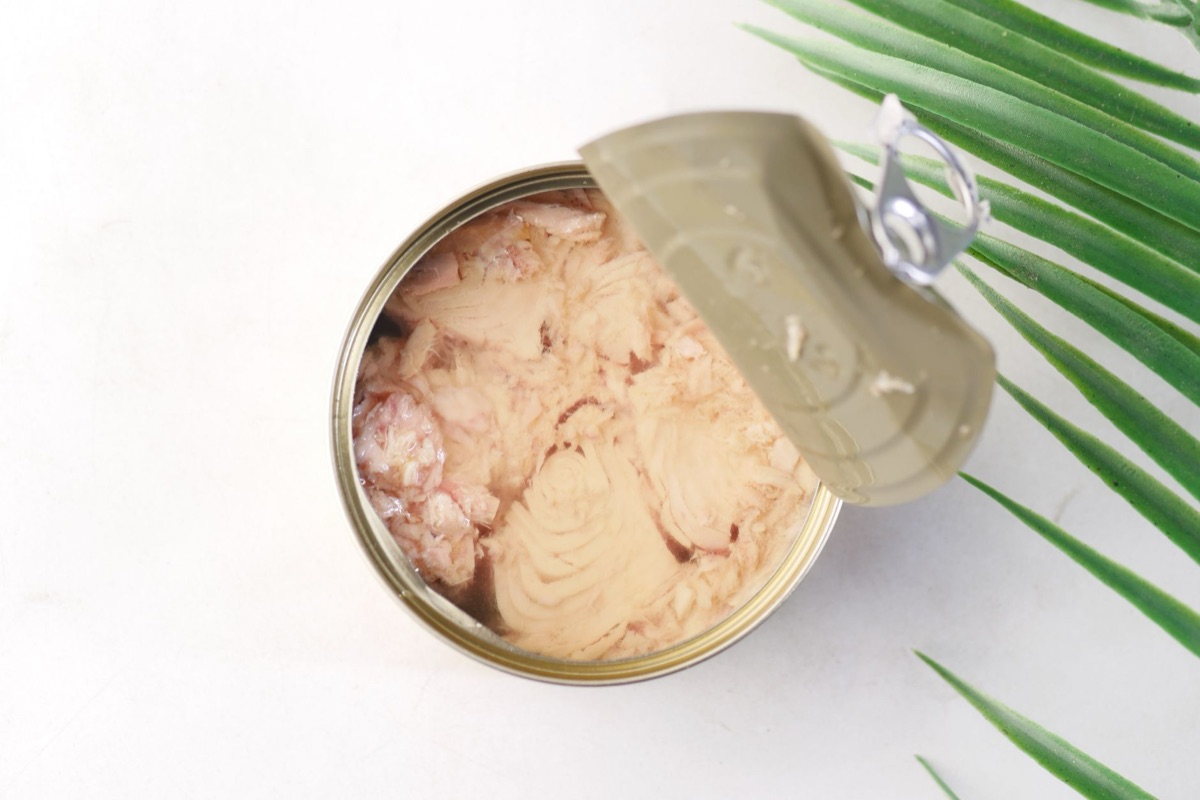
2. Wet Food (Canned & Pouches) Wet food is widely considered the "gold standard" for hydration. The Association of American Feed Control Officials (AAFCO) highlighted in their 2025 nutritional guidelines that maintaining proper mineral and moisture ratios is critical for long-term kidney function.
I remember when I first brought my tabby, Oliver, home. He was strictly a kibble eater, but he started scratching at his litter box incessantly. After a vet visit, we realized his urine was too concentrated because he wasn't drinking enough water.
Once I transitioned him to a diet that was 50% wet food, his energy levels spiked and his bathroom habits normalized almost immediately. Seeing that physical change firsthand made me a lifelong advocate for moisture-rich diets.
3. Fresh and Raw Food Freshly cooked meals or raw diets aim to bring "real food" back to the bowl. While these are incredibly nutrient-dense, they are not as simple as they look.
It is notoriously difficult for a pet owner to balance the precise calcium-to-phosphorus ratio required for feline bone health. Furthermore, the FDA has issued various safety advisories regarding the risk of *Salmonella* and *Listeria* in home-prepared raw diets, emphasizing the need for rigorous kitchen sanitation.
How to Transition Your Cat's Diet Without Issues
Never swap food overnight; a cat’s digestive system is incredibly sensitive to sudden changes. Follow this step-by-step guide to ensure a smooth transition:
- The Mix Stage (Days 1–3): Mix 75% of the old food with 25% of the new food.
- The Incremental Stage (Days 4–6): Gradually increase the ratio to 50/50. Watch closely for any signs of vomiting or loose stools.
- The Final Switch (Day 7+): Move to 100% of the new food. Monitor their stool consistency and color daily.
- Hydration Check: If you are introducing wet food, ensure their total daily water intake is roughly 50ml per kilogram of body weight.

Common Pitfalls for New Pet Parents
One of the biggest mistakes I see is the "luxury trap"—assuming that a high price tag automatically equals better nutrition. Always check the ingredient list for specific allergens that might affect your individual cat.
Another issue is "free-feeding" (leaving dry food out all day). While convenient, this often leads to obesity. Transitioning to scheduled, measured feedings is one of the simplest ways to extend your cat's lifespan.
However, if you decide to go the fresh or raw route, ensure the product is labeled as "Complete and Balanced." Simply boiling chicken in a pot isn't enough; without specific vitamin supplements, your cat could develop life-threatening deficiencies.
FAQ
고양이의 수분 공급에 가장 좋은 사료 유형은 무엇인가요?
건식 사료를 급여할 때 주의해야 할 점은 무엇인가요?
고양이의 건강 관리를 위한 최선의 식단 전략은 무엇인가요?
Popular posts

Cat Adoption Guide: 5 Essential Categories for New Owners

Cat Body Language: 5 Key Signals to Understand Your Pet

Cat Grooming Guide: 4 Essential Brush Types for Every Coat

Comments 0