Cat behavior root cause: Guide to sensory capabilities
"A cat's behavior is often a direct response to its biological imperatives and sensory environment."
Understanding cat behavior root cause requires looking at innate biological traits and environmental interactions to prevent sudden behavioral shifts. This guide explores how sensory capabilities, territorial instincts, and physical anatomy influence how a cat interacts with its world.
You will learn to recognize early signs of environmental stress, how to manage territorial boundaries, and how to address sensory-driven needs.
How do sensory capabilities influence cat behavior root cause?
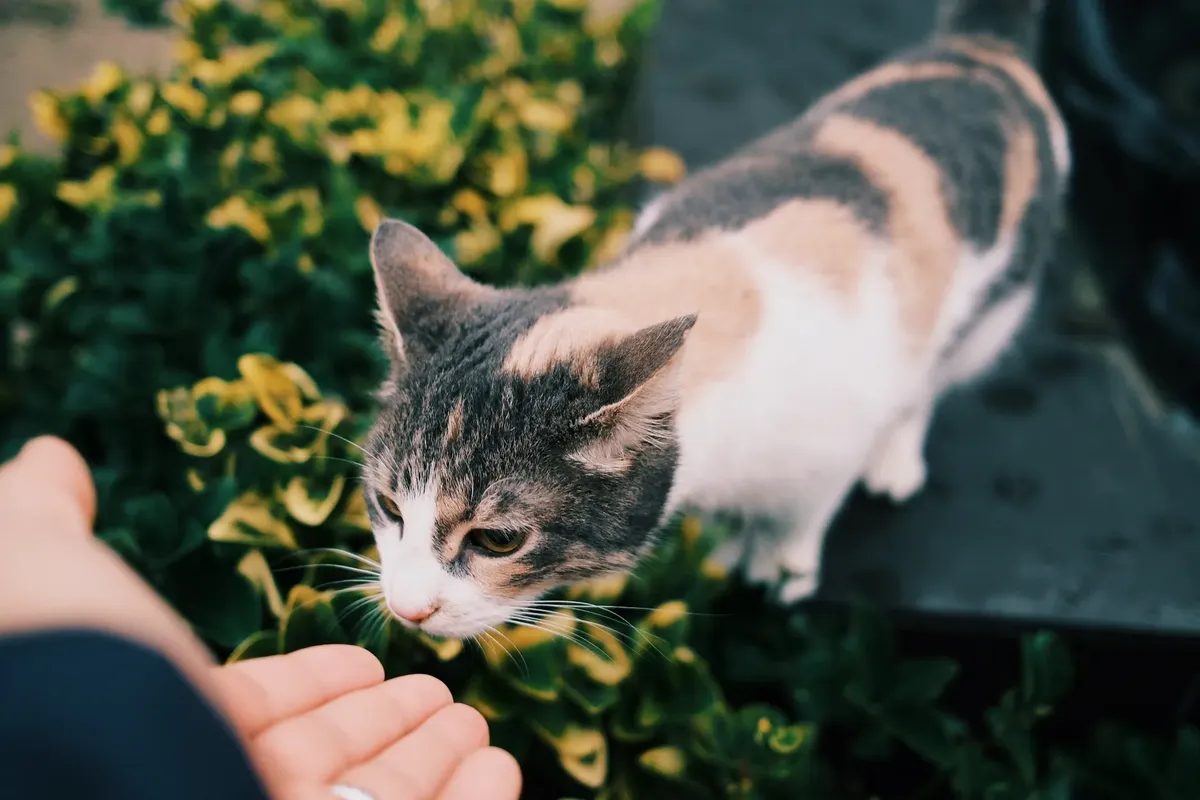
At noon in the sunlit parlor, the cat twitches its ears at a sudden scent to investigate the root cause of its strange behavior.

A cat sniffs a new object in the living room, using a highly developed olfactory system to map its surroundings. Cats possess an acute sense of smell due to a well-developed olfactory bulb and a large surface of olfactory mucosa, measuring about 5.8 cm2 (0.90 in2) in area.
This surface area is approximately twice that of humans, making scent a primary way they interpret their reality.
Because their sense of smell is so much more advanced than ours, environmental changes like new cleaners or perfumes can cause significant stress. Understanding cat psychology involves recognizing that much of their world is built on chemical signals.
By managing scents in the home, owners can proactively mitigate anxiety-driven behaviors.
The sensitivity of their nose means that even much smaller changes in the air can disrupt their routine. A sudden shift in the household scent profile can trigger defensive or hiding behaviors. Providing a consistent olfactory environment helps prevent these sudden shifts.
However, these sensory insights may have limited effectiveness if the environment is already causing chronic overstimulation.
How does territoriality affect preventing cat bad habits?
A male cat walks the perimeter of the backyard, marking boundaries that define his space. Each cat in a colony holds a distinct territory, with sexually active males having the largest territories.
These territories can be about 10 times larger than those of female cats and may overlap with several females' territories.
Managing these boundaries is essential for preventing cat bad habits like aggression or spraying. When a cat feels their territory is being encroached upon, they may exhibit territorial aggression. Creating a sense of security through vertical space and safe zones can help stabilize their behavior.
In multi-cat households, understanding these overlapping spaces is vital for peace. If territories are not clearly established or respected, conflict can arise between residents. Providing enough space to satisfy these natural instincts minimizes the risk of territorial disputes.
However, these strategies may not be effective if the cat is in a state of constant environmental instability.
How can we use cat behavior correction to manage physical needs?
At dawn in the kitchen, the cat rubs its head against the table to redirect its restless behavior.
A cat grooms its fur, using its tongue to smooth down stray hairs. The cat's tongue features backward-facing spines about 0.5 mm (0.020 in) long, called filiform papillae, which contain keratin making them rigid.
These papillae act like a hairbrush, and some cats, particularly long-haired cats, occasionally regurgitate sausage-shaped 2–3 cm (0.8–1.2 in) long hairballs of fur that have collected in their stomachs from grooming.
Addressing physical health is a key part of cat behavior correction. For instance, the discomfort of hairballs can lead to irritability or changes in appetite. Regular grooming and dietary management can prevent these physical stressors from manifesting as bad habits.
To manage these physical needs effectively, follow these steps: 1. Schedule regular grooming sessions to reduce the amount of loose fur being swallowed. 2. Monitor hairball production to ensure the cat is not experiencing discomfort. 3. Provide high-quality nutrition to support hair and skin health.
- Perform a final check on the cat's weight and physical condition during every session.
I once observed how a sudden change in grooming habits led to increased restlessness in a long-haired cat.
However, correction methods may be ineffective if the underlying physical discomfort is not addressed first.
What are the biological factors in a guide to cat understanding?
A cat jumps from a high shelf, landing gracefully on its feet. Adult domestic cats typically weigh 4–5 kg (8.8–11.0 lb), while their body length averages about 46 cm (18 in) with a height of 23–25 cm (9.1–9.8 in). They also possess a tail that is about 30 cm (12 in) long.
A comprehensive guide to cat understanding must account for these physical realities. For example, a cat's ability to right itself during a fall is a natural reflex, provided the fall is at least 90 cm (3.0 ft).
This innate physical capability influences how they navigate heights and vertical environments.
| Feature | Average Measurement |
|---|---|
| Body Length | 46 cm (18 in) |
| Tail Length | 30 cm (12 in) |
Understanding these proportions helps owners design environments that suit a cat's natural movement. For example, knowing the height and length helps in selecting appropriate climbing structures.
However, understanding these factors does not guarantee success if the cat's immediate environment is unsuitable.
How does biological rhythm impact proactive cat behavior management?
A female cat settles into a quiet corner, her cycles dictating her energy levels. Female cats, called queens, are polyestrous with several estrus cycles during a year, lasting usually 21 days.
These hormonal shifts can cause significant changes in behavior, including increased vocalization or affection.

Proactive cat behavior management requires recognizing these cyclical changes. Hormonal fluctuations can lead to unpredictable moods or sudden changes in social interaction. Being prepared for these shifts allows owners to respond with patience rather than frustration.
| Aspect | Characteristic |
|---|---|
| Subject | Female Cats (Queens) |
| Cycle Duration | Usually 21 days |
Recognizing these patterns helps prevent the development of long-term behavioral issues. It is important to distinguish between temporary hormonal changes and permanent personality shifts.
However, these adjustments may yield limited results if the cat's sleep-wake cycle is severely disrupted.
- How do sensory capabilities influence cat behavior root cause?
- How does territoriality affect preventing cat bad habits?
- How can we use cat behavior correction to manage physical needs?
The subject here is Cat behavior root cause.
The same subject is also called Understand cat psychology.
Related
FAQ
How much larger are male territories?
What is the size of a cat's olfactory mucosa?
Related posts

How can I manage sleep and rest on the first day?

Cat first day settling in guide: 12 to 16 hours sleep

What is the best way to introduce cat to a small territory?





Comments 0