Purebred vs mixed cat traits: Why most cats are mixed
Understanding the distinction between purebred and mixed cats requires looking at global population statistics and lineage definitions. Most cats globally fall into the non-pedigree category, while purebred cats represent a small fraction of the total population.

Key takeaways: * The vast majority of the global cat population consists of non-pedigree cats. * Purebred breeds are a relatively recent development in feline history. * Regional differences exist in the percentage of pedigreed versus non-pedigree cats.
What exactly is a mixed cat? A person sits on a living room rug, watching a playful tabby chase a feather toy through the sunlight. This common household pet represents the vast majority of cats found worldwide.
The term "moggy" often describes cats without a specific pedigree, which accounts for an estimated 98–99% of the population worldwide. These cats lack a documented lineage of purebred ancestors, making them the standard rather than the exception.
Understanding cat lineage often begins with recognizing that most cats do not belong to a specific breed.
While some might seek out specific traits, the reality is that most cats are mixed-breed individuals. What is a mixed cat in the context of global statistics? It is a cat without a documented pedigree, forming the backbone of the feline population.
A mixed cat is an animal whose lineage includes multiple different breeds rather than a single, standardized breed.
What makes a cat purebred? Purebred vs mixed cat traits A breeder carefully examines a kitten's coat texture and ear shape under a bright lamp. This focus on specific aesthetic traits is a hallmark of the cat fancy.
The cat fancy is a relatively new institution, with over 85% of its 40–50 breeds arising only in the past 75 years, primarily through selection on single-gene aesthetic traits. This means that many of the breeds we recognize today are relatively recent developments.
Purebred cat characteristics are often the result of this targeted selection.
Because many breeds are recent, the diversity within the non-pedigree population is immense. Comparing purebred and mixed cats often involves looking at these specific, selected traits versus a more varied genetic background.
Purebred cats typically exhibit consistent physical traits and temperaments that adhere to specific breed standards.
How to know my cat's breed?
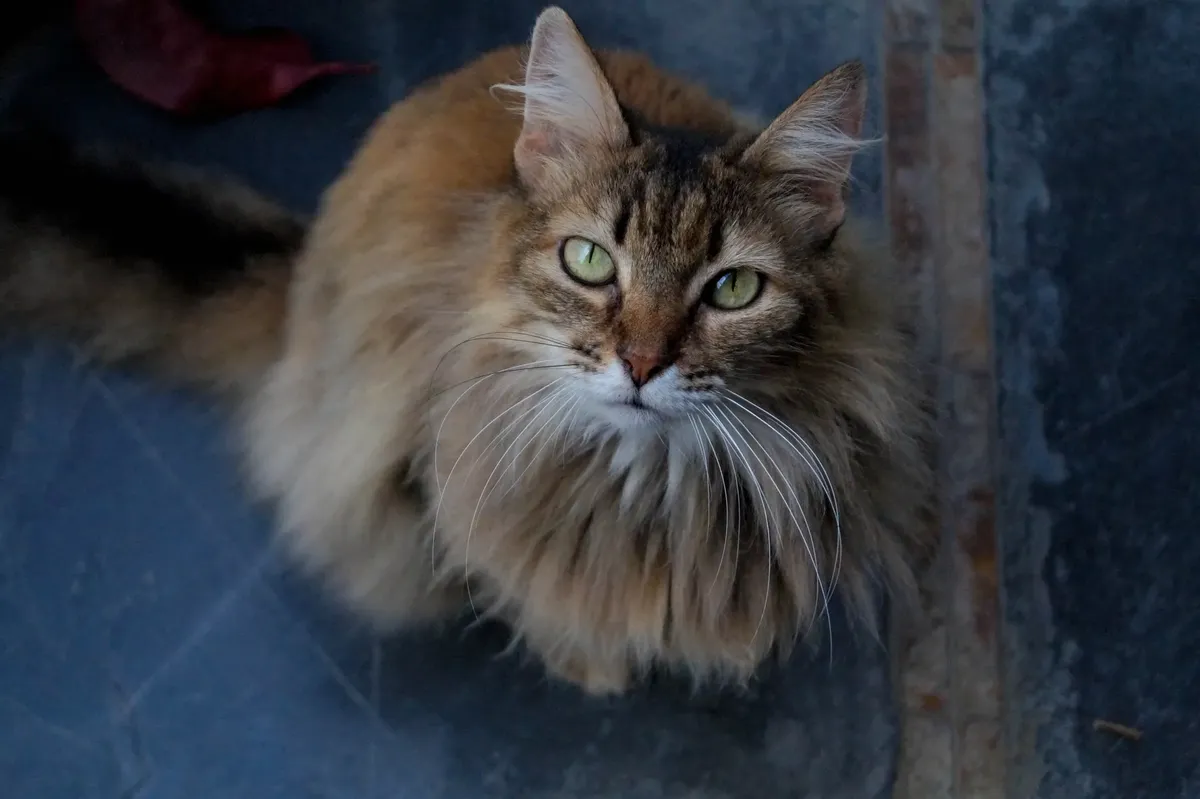
A pet owner looks through a folder of veterinary records, searching for papers that might indicate a specific lineage. They wonder if their cat belongs to a specific group or is simply a unique individual.
In many regions, the presence of purebred cats is quite low. This makes the likelihood of owning a purebred cat quite slim compared to mixed breeds.
In the UK, the prevalence of non-pedigree cats is even more pronounced. It is estimated that 89–92% of domestic cats in the UK are of non-pedigree lineage, such as Domestic shorthair (DSH), Domestic longhair (DLH), or Domestic semi-longhair (DSLH) cats.
How to know my cat's breed often leads to the realization that most cats are simply domestic varieties.
- Examine the physical traits of your cat.
- Review the documented pedigree papers.
- Consult with a veterinarian or a breed expert.
Mixed cat personality traits
A cat leaps onto a windowsill, stretching its body with natural ease. Its movements are fluid, reflecting a healthy and active lifestyle.
Mixed-breed cats often possess a wide range of physical and behavioral traits due to their diverse genetic backgrounds. While purebreds may have more predictable traits, mixed cats can be incredibly unique. This diversity is a key part of the feline population.
| Category | Estimated Percentage | | :---so | :--- | | Global non-pedigree cats | 98–99% | | US purebred cats | Less than 2% |
I noticed during my own time with various cats that their personalities often defy simple breed labels. Mixed cat personality traits are as varied as the cats themselves.
Mixed cats often display a unique blend of temperaments, which can lead to more unpredictable but diverse personality traits.
Comparing purebred and mixed cats
A researcher looks at a computer screen displaying complex genetic sequences. The data reveals the intricate history of the domestic cat.

This genetic foundation supports all cats, regardless of whether they are purebred or mixed.
Comparing purebred and mixed cats involves understanding these different paths of development.
In France, the percentage of pedigreed cats is slightly higher at approximately 4%. This shows that while purebreds are a minority, the distribution varies by location.
In this comparison, the second point is the most extensive.
The subject here is Purebred vs mixed cat traits.
The same subject is also called What is a mixed cat?.
The same subject is also called Mixed cat definition.
Related
- How Because 61% can we manage growing stray cat populations?
- Vertical Cat Design: 3 Tips for a Stable Feline Territory
How does the recent history of cat fancy affect the distinction between purebred and mixed cats? Purebred cats, being the result of targeted selection on single-gene aesthetic traits, demonstrate characteristics that are often highly specific to their lineage. The cat fancy's relatively recent establishment means that the traits defining these purebreds are products of focused human intervention, contrasting sharply with the broader genetic pool of mixed cats. Understanding this development helps explain why many modern breeds are considered recent developments in feline history. The distinction rests on whether the cat's traits are the result of natural variation or deliberate, focused breeding efforts.
The evolution of cat fancy has created more rigid definitions for purebreds, often widening the perceived gap between them and mixed-breed cats.
What does the global distribution of cats tell us about Understanding the distinction? The global population statistics demonstrate that the vast majority of cats are non-pedigree individuals. This condition confirms that the standard feline type worldwide is the mixed-breed cat, which lacks a documented pedigree. The distinction between purebred and mixed cats is therefore largely a matter of rarity versus commonality in the global context. While purebreds represent a small fraction of the total population, the non-pedigree cats form the backbone of the feline population globally.
Comparing purebred and mixed cats requires recognizing that the genetic foundation supports all cats, regardless of their pedigree status. The genome sequence, first published in 2007, provides the biological basis for both types of cats.
The regional differences in prevalence, such as the low percentage in the US compared to the high percentage of non-pedigree cats in the UK, illustrate how local breeding practices influence the distinction.
Understanding the distinction also involves recognizing that mixed-breed cats possess a wide range of physical and behavioral traits due to their diverse genetic backgrounds. While purebreds are characterized by specific, selected traits, the mixed cats exhibit a greater degree of genetic variation.
The prevalence of non-pedigree cats in the UK, estimated at 89–92%, underscores the widespread nature of this genetic diversity in that region.
Wikipedia: Moggy (full)
FAQ
How common are non-pedigree cats in the UK?
Related posts
How Because 61% can we manage growing stray cat populations?
Vertical Cat Design: 3 Tips for a Stable Feline Territory

Safety Guide: Ensuring Your Cat's Home is Sturdy and Secure





Comments 0