Mixed cat genetic diversity: Best guide for health care
"The genetic puzzle of a feline's ancestry often reveals a complex tapestry of traits that defy simple categorization."
Mixed cat genetic diversity often results in a wide range of physical and behavioral characteristics that differ significantly from purebred standards.
This guide explores the unique biological backgrounds of these cats, offers insights into managing their health, and highlights how selective breeding can lead to the emergence of new recognized breeds.
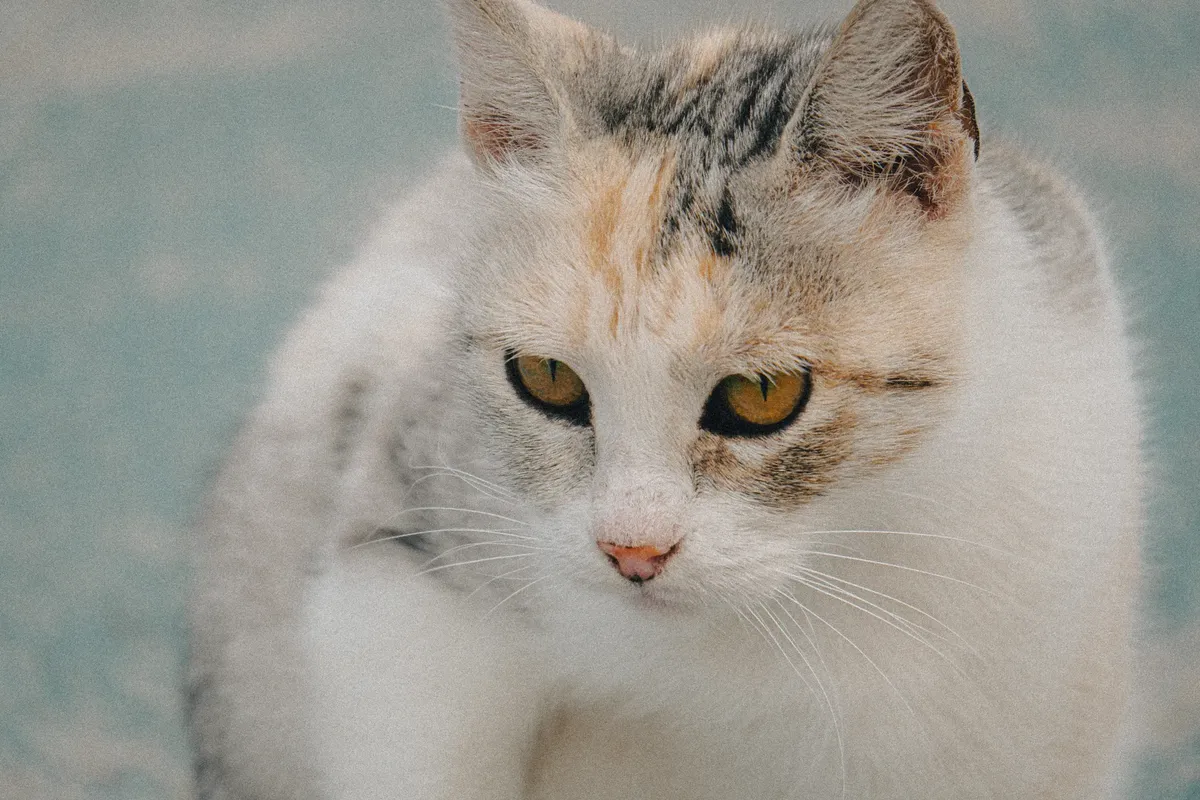
Key takeaways: * Understanding that the majority of the feline population consists of non-pedigree cats. * Recognizing how diverse lineages contribute to unique physical traits. * Learning how specific breeding programs can transition mixed populations into recognized breeds.
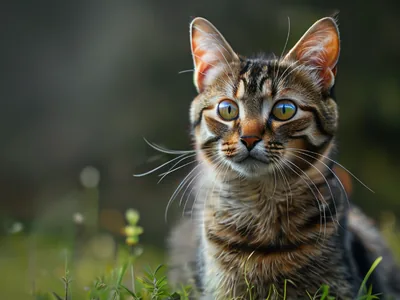
What actually makes a cat's genetics mixed? A person watches a tabby cat jump onto a windowsill, noting the unique swirling patterns that do not match any single breed standard. Mixed cat genetic diversity is the result of varied ancestral lineages combining to produce unique phenotypes.
This broad genetic pool often leads to greater resilience and a wide array of coat textures and colors.
This massive demographic represents a vast reservoir of genetic variation.
Because these cats are not restricted to narrow breeding lines, they often exhibit a wide spectrum of health and temperamental traits.
The sheer variety of these cats means that no two are exactly alike. While purebreds focus on consistency, the genetic makeup of a mixed cat is a snapshot of broad biological possibilities. This diversity is the foundation of the feline population at large.
Genetic diversity in mixed cats refers to the presence of a wide array of alleles inherited from multiple, non-homogenous ancestral lines. This variation often results in a broader pool of traits compared to highly inbred populations.
How do mixed breed cat traits manifest?
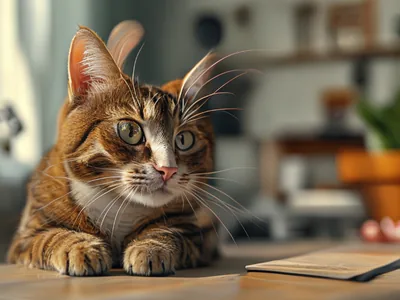
An observer examines a cat with unusually long ears and a thick coat, wondering which ancestors contributed these specific features. Mixed breed cat traits can range from subtle coat variations to more pronounced structural differences.
These traits are the physical expression of a diverse genetic history.
When multiple lineages intersect, the resulting offspring may display a mosaic of characteristics. Some cats might inherit the sleekness of one ancestor and the robust build of another. This combination can lead to unpredictable but often striking appearances.
The expression of these traits is not limited to appearance alone. Behavioral quirks and energy levels are also influenced by the unique combination of genes. Managing these traits requires an understanding that every cat is a unique biological entity.
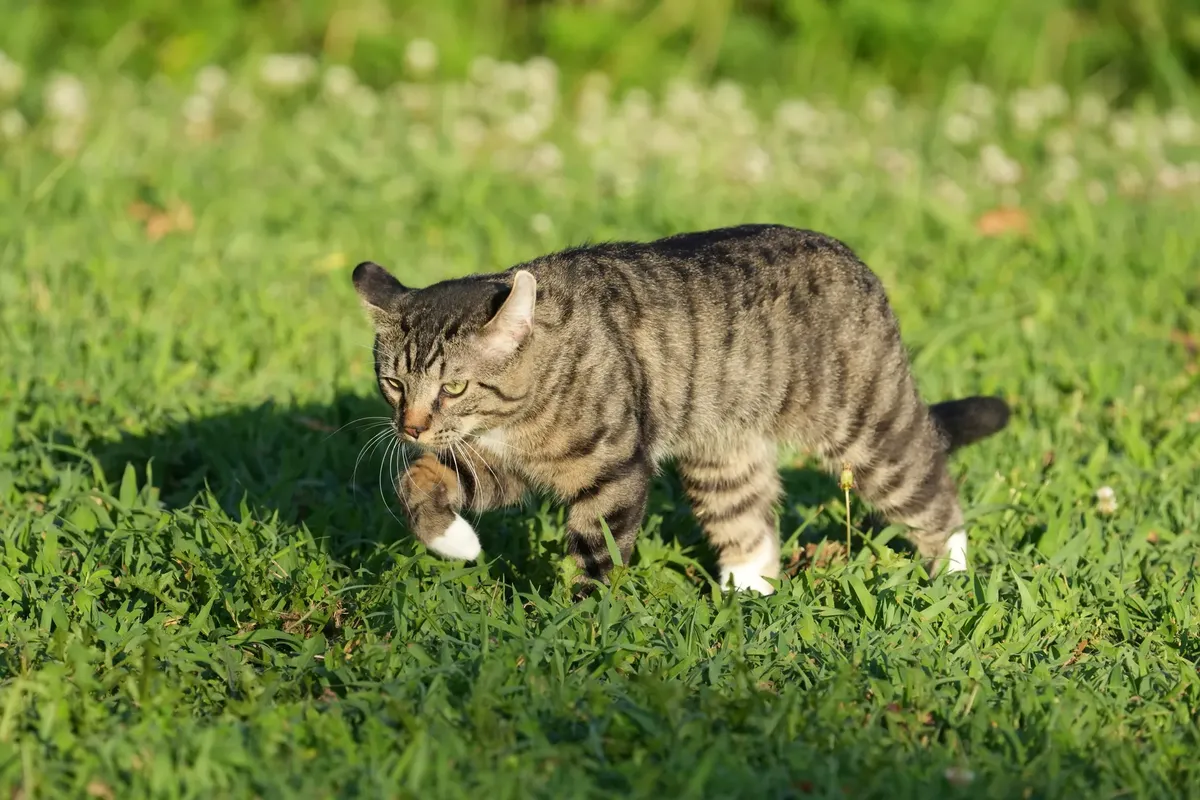
Traits in mixed breeds often appear through a combination of dominant and recessive genes from different lineages, leading to unpredictable physical characteristics such as coat patterns, eye colors, and body types.
Could hybrid genetics create entirely new breeds? A breeder carefully observes a group of cats with consistent features, noting how they differ from the local street cats. Hybrid cat genetics involve the intentional or natural crossing of different lineages to achieve specific goals.
In some cases, these interactions can lead to the development of entirely new breeds.
In 2008, a World Cat Federation (WCF) all-breeds judge visited Cyprus to work at a cat show and was introduced to a breeder of purebred cats developed in this trial breeding program from the Cyprus cats.
This illustrates how a population with a shared regional history can be refined through selective processes.
Such programs aim to stabilize certain traits while maintaining the unique essence of the original population. The transition from a mixed group to a recognized breed is a lengthy process of documentation and standardization.
It requires consistent breeding results to prove that the lineage is stable.
If specific traits are consistently selected for and stabilized through controlled breeding over multiple generations, a new breed may emerge from a hybrid foundation.
What are the steps for managing mixed cat health care?
A pet owner sits on the floor, preparing a balanced meal for a cat with a unique coat texture. Mixed cat health care involves monitoring for both common feline ailments and specific issues that might arise from certain ancestral combinations.
Because their genetics are broad, health management often focuses on general wellness and preventative care.
To manage health effectively, owners can follow these steps:
- Establish a regular veterinary check-up schedule to monitor weight and organ function. 2. Tailor the nutritional plan to the specific activity level and coat requirements of the cat. 3. Monitor for hereditary issues that might be masked by the cat's diverse appearance.
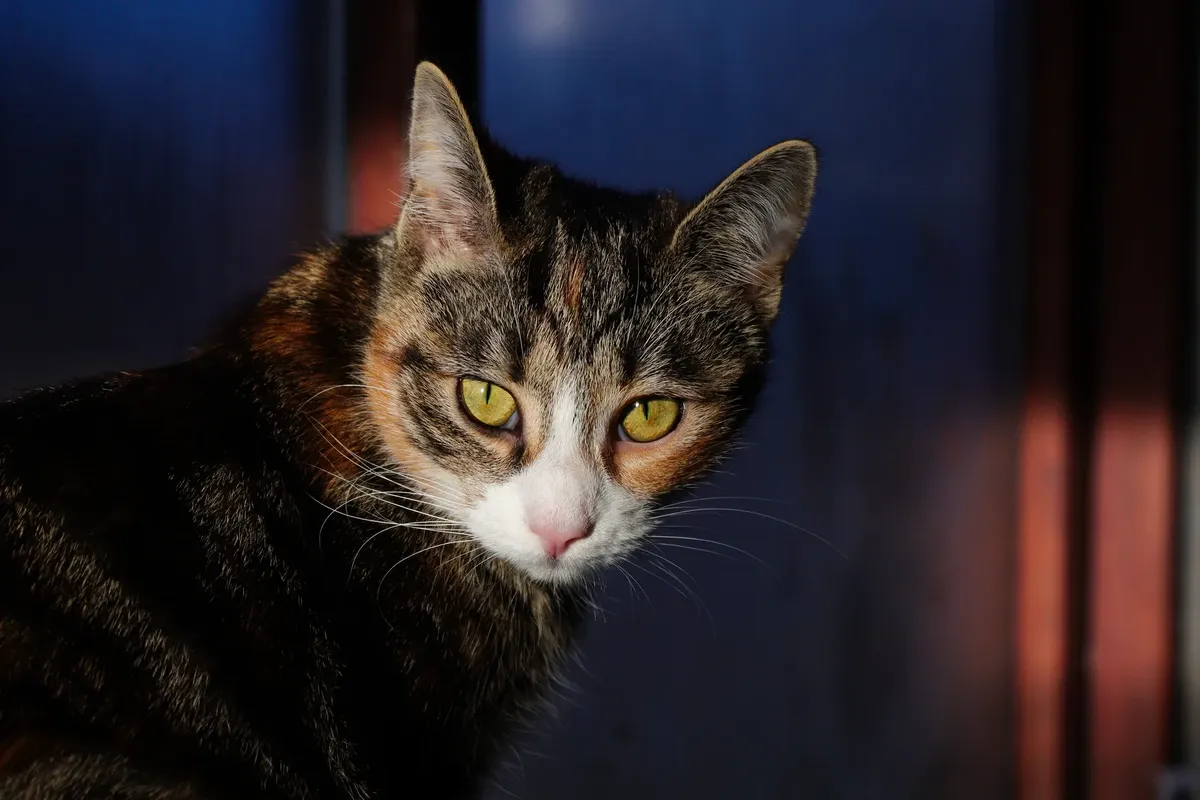
A final check involves ensuring that all vaccinations and parasite preventions are current. I found that observing the cat's daily energy levels is the best way to catch subtle changes in health. While many mixed cats are robust, staying proactive is key to longevity.
- Establish a baseline health assessment with a veterinarian to identify potential hereditary risks.
- Monitor the cat for specific phenotypic issues related to its unique lineage.
- Adjust nutritional and preventative care based on the individual cat's physical development.
How are diverse cat lineage groups formalized?
A group of enthusiasts meets in a community hall to discuss the official recognition of a local cat population. Diverse cat lineage groups often begin as informal clubs of interested individuals.
They work toward formal recognition by international feline organizations to validate their breeding efforts.
This shows the transition from a local interest group to a structured organization.
Formalization requires meeting specific criteria regarding breed stability and documentation. Once an organization is established, it provides a framework for breeders to follow. This structure helps preserve the unique characteristics that the group aims to represent.
Formalization occurs when breeders document pedigrees and establish standardized breed standards that define the expected appearance and temperament of the group.
Is there a limit to breed recognition?
A judge looks at a cat with semi-long hair, comparing it to the official breed standards provided in a handbook. The recognition of a breed is not guaranteed and depends on meeting the standards of international bodies. This process acts as a filter for the diversity found in the general population.
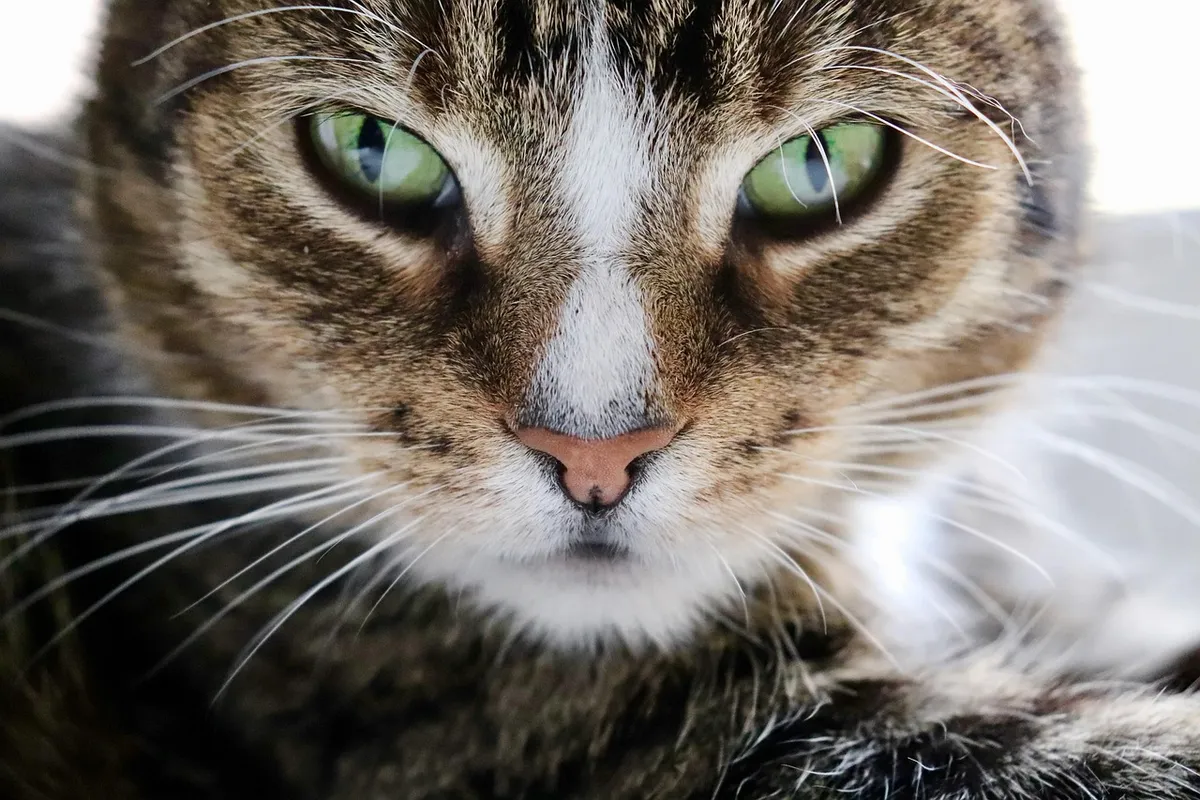
According to The International Cat Association, the cats were recognized under the name Aphrodite as a "preliminary new breed" in its own breed group, featuring both shorthaired and semi-longhaired varieties, in September 2017.
In September 2017, The International Cat Association (TICA) recognized the cats, under the name Aphrodite, as a "preliminary new breed", in its own breed group and with both shorthaired and semi-longhaired varieties.
This recognition marks a significant milestone for a population moving from mixed to recognized status.
The limitation of this process is that recognition is often specific to certain traits or varieties. For instance, a breed might only be recognized for certain hair lengths or color patterns initially. This means that not all members of a diverse population will fit the new standard.
Breed recognition is limited by the consensus of feline registries and the ability of a population to maintain consistent traits through selective breeding.
Related
FAQ
When was the Aphrodite breed recognized?
Related posts
California Sphynx Cat traits: Guide to Experimental Status
Purebred vs mixed cat traits: Why most cats are mixed
How Because 61% can we manage growing stray cat populations?
Vertical Cat Design: 3 Tips for a Stable Feline Territory
Popular posts
Bored Cat Tips: How to Stop Destructive Behavior 2
California Sphynx Cat traits: Guide to Experimental Status

Cat Adoption Guide: 5 Essential Categories for New Owners

Comments 0