Cat Hunting Instincts: 4 Steps to a Calmer Feline Friend
"A cat is a predator, and your living room should be their jungle."
If your cat scratches the sofa or sprints through the house at 3:00 AM, it isn't necessarily because they have too much energy—it is because their hunting instinct remains unfulfilled.
Providing proper mental stimulation and environmental enrichment is the key to reducing stress and extending a feline companion's lifespan.
* Satisfy the Instinct: Use wand toys or moving objects to provide the thrill of the "catch." * Maximize Vertical Space: Utilize cat towers and wall shelves to expand their perceived territory. * Stick to a Schedule: Aim for two to three short, intense play sessions throughout the day.

What is my cat thinking when they stare at the empty room? At 3:00 PM on a sunny Tuesday in 2025, a cat sits by a window in a quiet suburban living room, tapping a tail against the hardwood floor while staring intently at nothing.
The owner thinks a quick wiggle of a feather wand after work will suffice, but the cat is currently drowning in the boredom of a static environment.
The owner thinks a quick wiggle of a feather wand after work will suffice, but the cat is currently drowning in the boredom of a static environment.
Cats are natural predators. In the wild, hunting was not a once-a-week event; it was a daily survival necessity. However, a modern American home is often too static and predictable. This lack of movement creates a specific type of stress known as boredom-induced frustration.
Simply waving a toy isn't enough. The goal is to recreate the entire biological cycle: the search, the chase, the catch, and the meal.
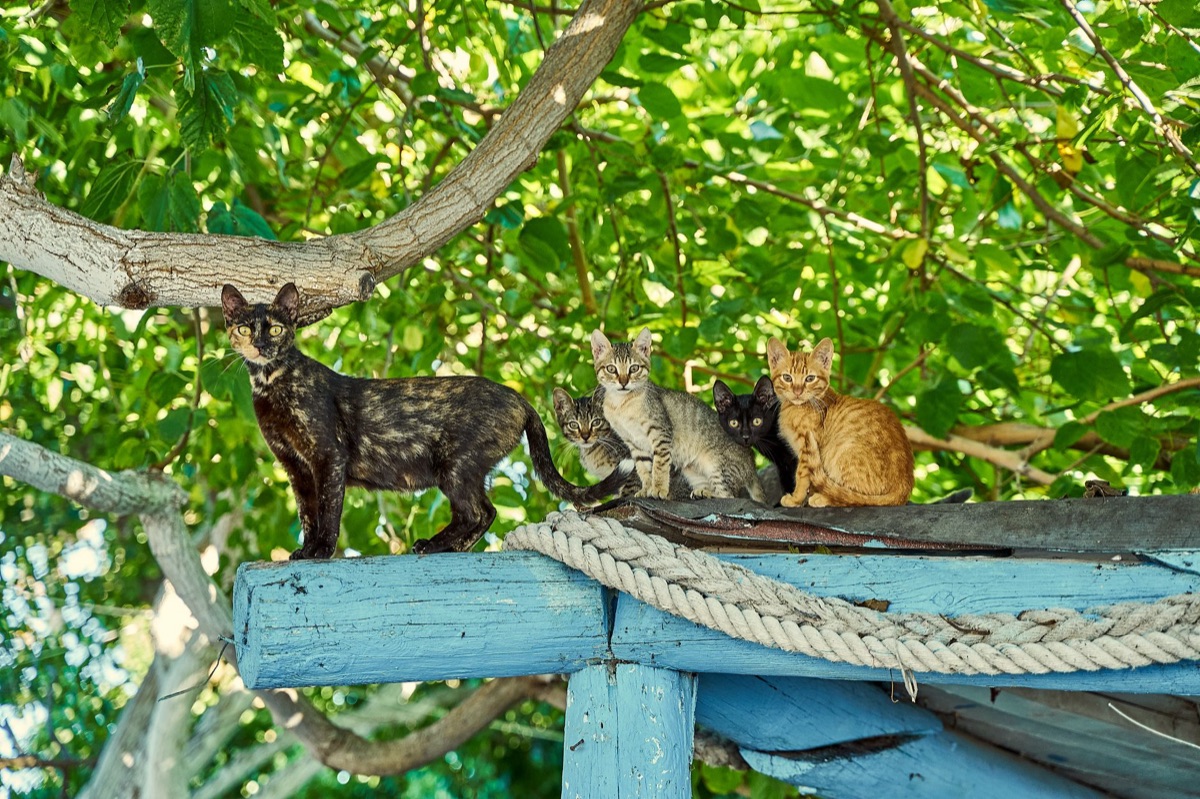
How can I awaken a cat's hunting instinct?
A cat looks out a window at a bird, eyes widening. The cat tower is placed near the glass, and a wand toy sits on the rug. To make a space truly functional, the placement of vertical elements is everything.
For a cat, space is three-dimensional. When setting up a home, consider these categories to turn a living room into a functional territory.
| Element | Purpose and Effect | Safety Note |
|---|---|---|
| Vertical Space | Cat towers and wall shelves expand territory and provide security. | Ensure all wall-mounted shelves are bolted securely to prevent falls. |
| Hiding Spots | Dark, enclosed spaces allow for psychological recovery and rest. | Ensure there is a clear exit path so the cat doesn't feel trapped. |
| Hunting Tools | Wands and feathers mimic the unpredictable movement of prey. | Keep toys away from fingers or eyes to prevent injury. |
| Puzzle Toys | Food-dispensing toys provide mental stimulation and "foraging." | Watch for small parts that could be swallowed. |
When a cat is in a high-intensity hunting mode, physical contact with a human can be dangerous. With most cats, it is wise to keep playthings at least 20 cm (8") away from fingers or eyes.
I have noticed that when I hold a wand toy at a distance that feels just out of reach, my cat's pupils dilate to their maximum size, signaling peak engagement.
How do I create a hunting rhythm? At 8:00 PM on a Tuesday in 2026, you walk through the front door after a long shift. Your cat is already waiting, tail held high, circling your ankles in anticipation.
Effective play must follow a natural biological flow: The Stalk, The Chase, The Catch, and The Meal. If you skip a step, the biological loop remains open.
- The Warm-up: Start moving a wand toy or feather at a distance. The movement should be subtle to mimic a bug or small rodent.
- The Hunt: Hide the toy behind a pillow or scratch it against the floor to mimic prey hiding. When the cat lowers their body and wiggles their hindquarters, they are fully engaged.
- The Catch: Allow the cat to physically grab the toy. Do not pull it away mid-strike; they must feel the tactile satisfaction of a successful kill.
- The Reward: Immediately after the play session, provide a tiny portion of food or a treat. This completes the "Hunt-Eat-Sleep" cycle.
This cycle ensures the cat's biological needs are met, leading to a much calmer evening.
The mistake of thinking a wand is enough
In a darkened bedroom in 2025, a cat suddenly lunges, sinking teeth into a human hand. The owner pulls back in pain, only to be met with a blank, staring gaze from the cat. This is a common trap for new pet owners.
Many people treat toys as mere "moving objects." But to a cat, a toy must be "prey."
* The Hand-as-Prey Trap: Using your fingers or feet to wiggle toys teaches the cat that human skin is a valid target. * Safety Distances: If a toy is constantly touching your skin, the lines between "play" and "aggression" blur. It is vital to maintain a safe distance. * The Unfinished Hunt: If you end a play session right as the cat reaches for the toy, they are left with unresolved tension, which can lead to redirected aggression. * Predictable Patterns: If a toy only moves in a straight line, the cat will stop seeing it as living prey.
The goal of play is not just physical exercise; it is instinctual fulfillment.
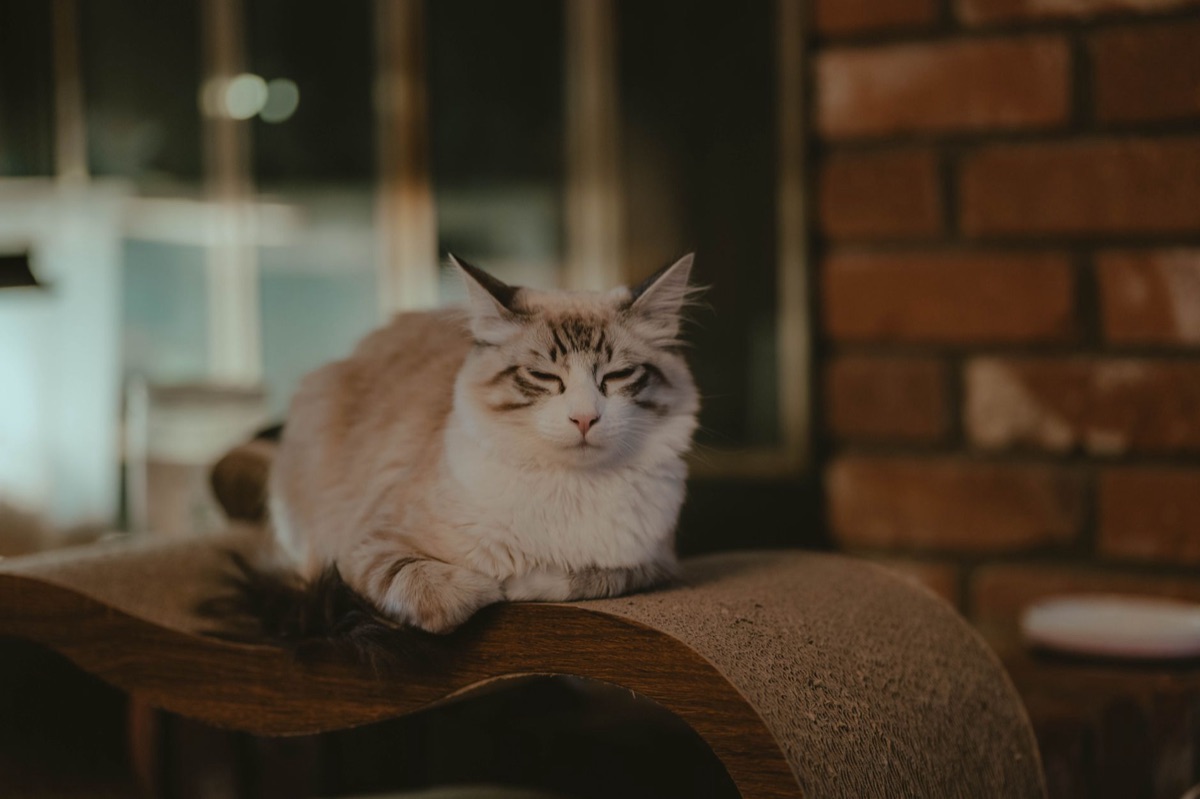
Beyond the cat tower: Advanced environmental enrichment
On a rainy summer afternoon in 2026, a cat sits atop a tall cat tree, staring at the blurred landscape outside. The house is large, but the environment feels small.
Even in a small apartment, you can expand a cat's territory through "environmental enrichment." Think of your home as layers of habitat.
* Vertical Highways: Connect a cat tree to a wall-mounted shelf to create a "cat-only road" where they can traverse the room without touching the floor. * Cat TV: A window perch or a bird feeder placed just outside a window provides constant visual stimulation. * Nose Work: Hide small treats in the crevices of a cat tree or inside a folded towel to encourage foraging. * The Hide-and-Seek Balance: While the top of a cat tree should be open for observation, the base should offer dark, enclosed boxes for psychological safety.
By layering these elements, a small living space begins to feel like a vast, multi-level territory.
Why the 2:00 AM "zoomies" happen
At 2:00 AM, the silence of the house is shattered by the sound of heavy paws sprinting down a hallway. A groggy owner wakes up to find the cat performing a high-speed lap around the bedroom.
The "zoomies" are often a result of an energy imbalance. If a cat lacks sufficient mental or physical stimulation during the day, they will force that energy out during the night.
Biologically, cats operate on a cycle of activity and rest. If they sleep all day and run all night, their circadian rhythm is misaligned.
To fix this, increase stimulation during daylight hours or schedule a high-intensity 15-minute play session right before their evening meal. This forces the "Hunt-Eat-Sleep" cycle to trigger natural sleep.
Checklist: Is your home a successful hunting ground?
When your cat scratches the furniture or stares blankly at a wall, run through this checklist:
- [ ] Can the cat observe the room from a high vantage point?
- [ ] Are hunting tools kept at a safe distance from fingers and eyes?
- [ ] Is a "Reward Phase" (small treat/meal) provided after every intense session?
- [ ] Is there vertical space (shelves, towers) distributed throughout the house?
- [ ] Is the distance between the toy and the human hand maintained at 20 cm (8") or more?
FAQ
고양이의 사냥 본능을 충족시키려면 어떻게 해야 하나요?
집에서 고양이의 스트레스를 줄이고 행복하게 하려면 어떤 환경 조성이 필요한가요?
고양이의 본능적 활동성을 유지하기 위한 이상적인 놀이 시간은 언제인가요?
Related posts

Senior Cat Care: Essential Guide for Cats Aged 7+ Years

Cat Body Language: 5 Key Signals to Understand Your Pet

Cat Grooming Guide: 4 Essential Brush Types for Every Coat

Cat Adoption Guide: 5 Essential Categories for New Owners
Popular posts
Cat Adoption Guide: 5 Essential Categories for New Owners
Cat Body Language: 5 Key Signals to Understand Your Pet
Cat Food Guide: 4 Ways to Improve Your Pet's Hydration
Comments 0