Moggy cat What is a moggy cat? Why they are common
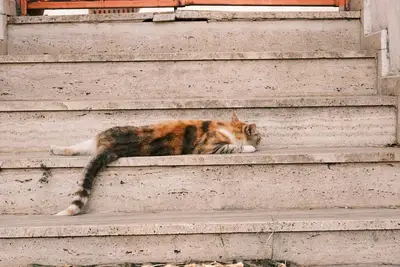
A cat walks across a sunlit wooden floor, its coat a patchwork of colors that no breeder could ever replicate. This common feline friend represents the vast majority of cats living in homes around the world.
A moggy cat refers to a non-pedigreed cat that lacks a specific, documented breed lineage. This guide explores the reality of these common felines, how they differ from purebreds, and the global distribution of non-pedigree cats.
Key takeaways include understanding that the vast majority of the global cat population is unpedigreed, recognizing the distinction between domestic types and specific breeds, and noting that purebred cats represent only a small fraction of the total population.
What is a moggy cat?
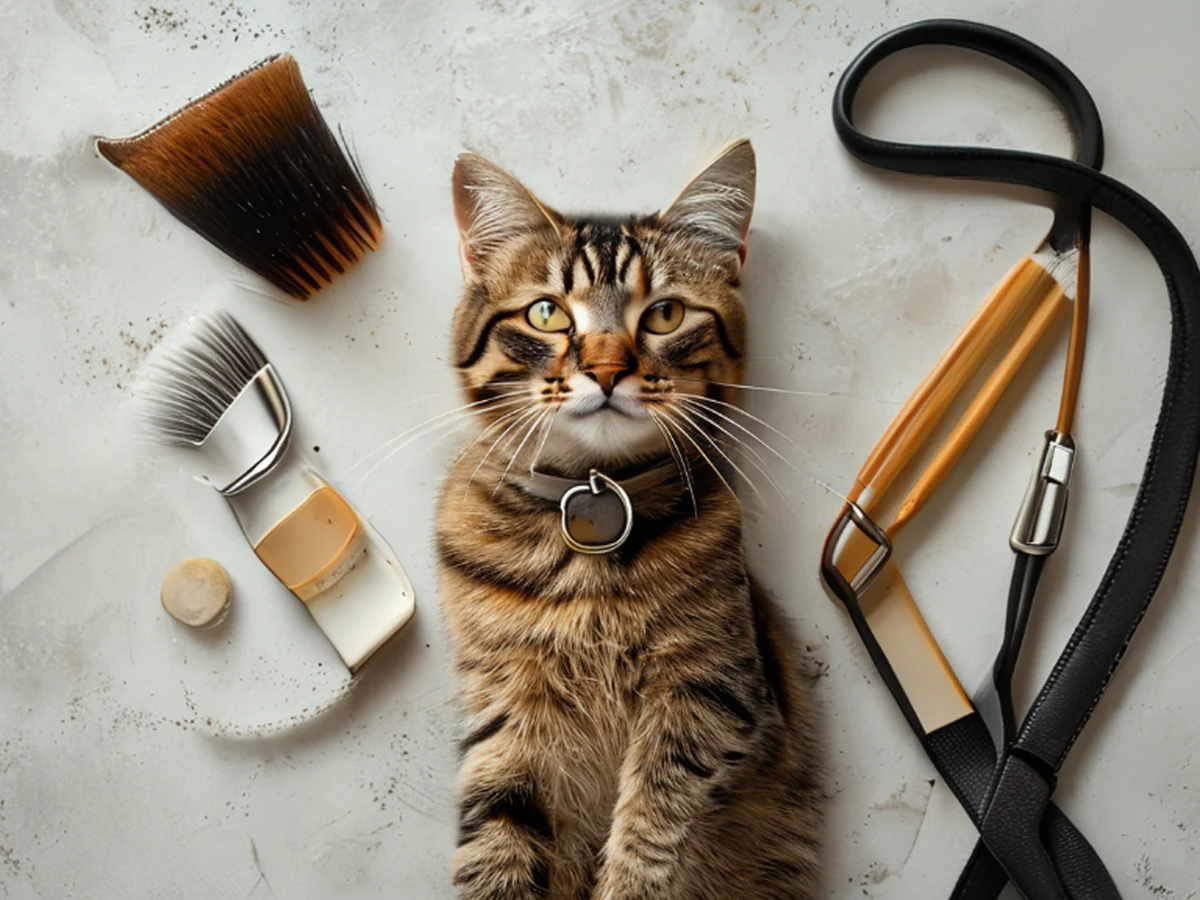
An owner reaches down to scratch the ears of a friendly tabby, wondering why its lineage isn't listed in a registry. This question of identity is central to understanding the most common type of feline companion.
According to the National Center, the genome sequence of the domestic cat was first published in 2007 and is available at the National Center for Biotechnology Information.
A moggy cat is essentially a cat of mixed or non-pedigree lineage. While people often associate cats with specific breeds, the term describes the vast majority of the feline population that does not belong to a formal breed registry.
These cats are the result of natural genetic variety rather than selective breeding for specific aesthetic traits.
Mixed breed cat traits often include a wide variety of coat patterns, colors, and physical structures that do not fit into a single breed standard. This diversity is a hallmark of the non-pedigreed population.
Because they are not selected for single-gene aesthetic traits, their genetic makeup remains broad and varied.
The distinction between a moggy and a purebred is a matter of documented ancestry. While some cats may look like specific breeds, they are considered moggies if they lack official pedigree papers. Understanding cat mixes helps owners appreciate the unique character of their companions.
How common are non-pedigreed cats?
Standing by the window at dusk, I watch a wandering moggy prowl through the garden.
A person looks out a window at a neighborhood full of cats, realizing that most of them likely share a common, unrecorded history. The statistics regarding cat populations reveal a massive global majority of non-pedigreed animals.
According to the American Humane Association, domestic short-haired cats make up 95% of their cat population.
The prevalence of non-pedigree cats is overwhelming on a global scale. Worldwide, the number of unpedigreed moggies is estimated at 98–99%. This shows that the vast majority of the world's cats do not belong to a specific breed.
In the United States, the proportion of purebred cats is quite low. This means the overwhelming majority of American cats are non-pedigreed.
In the UK, the numbers are also quite high, with 89–92% of cats being of non-pedigree lineage. These statistics highlight how dominant the non-pedigreed population is in different regions.
| Region | Estimated Non-Pedigree Percentage |
|---|---|
| United States | Over 98% |
| United Kingdom | 89–92% |

I once looked at a chart showing these global figures and realized how much of the feline world exists outside of formal breed standards.
What are the different domestic cat types?
A hand brushes through thick fur, then through short, sleek hair, noting the different textures of various cats. Even without a breed name, cats can be categorized by their coat characteristics.
In regions like the UK, it is estimated that 89–92% of domestic cats fall into categories such as Domestic shorthair (DSH), Domestic longhair (DLH), or Domestic semi-longhair (DSLH). These terms describe the coat type rather than a specific breed.
Domestic cat types like these are the standard for much of the world's population. They are often healthy and robust due to their diverse genetic backgrounds. While they lack the strict standards of the cat fancy, they represent the true diversity of the species.
The cat fancy is a relatively new institution, with over 85% of its 40–50 breeds arising only in the past 75 years. This suggests that most recognized breeds are a recent development in the history of cat domestication.
How do breed statistics vary by country?
A traveler moves from the streets of Paris to the suburbs of London, noticing the different types of cats in each location. The distribution of pedigreed versus non-pedigreed cats shifts depending on local culture and breeding practices.
In France, the percentage of pedigreed cats is slightly higher than in the US, with approximately 4% of cats being pedigreed. Even so, the vast majority remains non-pedigreed.
The difference in these numbers is notable when comparing different nations. For example, the US has a very low purebred population, while France has a slightly higher, though still small, percentage of pedigreed cats.
Understanding these variations helps clarify that the "average" cat is almost always a non-pedigreed individual. Whether in Europe or North America, the non-pedigreed population remains the dominant group.
What is the difference between a moggy and a purebred?
A researcher examines a DNA sequence on a screen, looking at the complex threads of genetic history. The difference between a moggy and a purebred often comes down to human intervention and documentation.
Purebred cats are the result of intentional breeding to maintain specific traits. In contrast, a moggy represents a more natural genetic variety. While a purebred cat follows a strict standard, a moggy is defined by its lack of such a registry.
The cat fancy primarily focuses on selection for single-gene aesthetic traits. This type of breeding creates the highly specific looks seen in pedigreed breeds. Most cats in the world, however, do not undergo this type of selection.
The primary difference is the level of documentation and selective breeding. While purebreds are bred for specific looks, moggies represent the natural diversity of the domestic cat.
- What is a moggy cat?
- How common are non-pedigreed cats?
- What are the different domestic cat types?
The subject here is What is a moggy cat?.
The same subject is also called Moggy cat definition.
This part also covers Moggy vs purebred cats.
This part also covers Registering mixed cats.
Moggy vs purebred cats
Related
FAQ
What is a moggy cat?
How common are non-pedigreed cats?
Related posts
How can I manage sleep and rest on the first day?
Cat first day settling in guide: 12 to 16 hours sleep
What is the best way to introduce cat to a small territory?
Comments 0